
 Shivani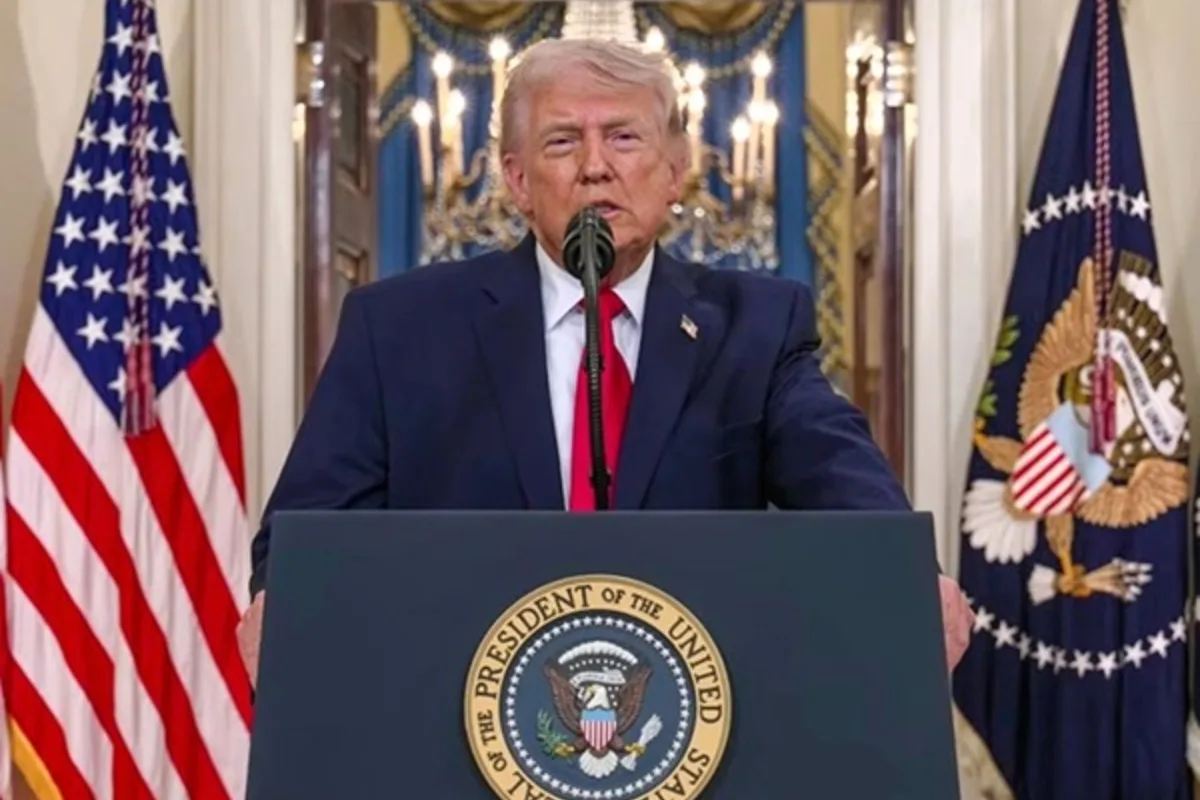
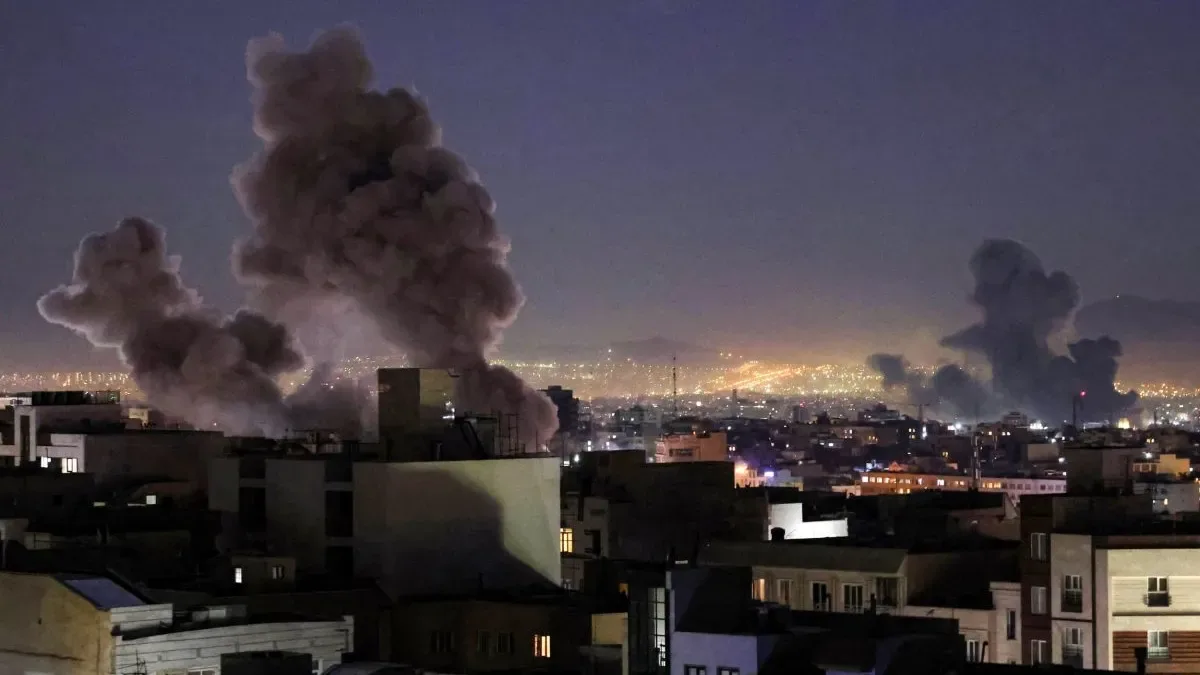
Peace returned slowly under a fragile ceasefire. The recent conflict between the United States and Iran shocked people worldwide. The war began when the United States and Israel attacked Iran on February 28. For several weeks, both sides carried out strikes, damaged important facilities, and increased fears of a wider war in the Middle East. Suddenly, the fighting stopped after a temporary ceasefire was announced. The conflict ended mainly because both sides realised the risks were too high. Economic losses, international pressure, and fear of escalation forced leaders to step back. Donald Trump played a complex role, raising tensions first but later helping open space for talks.
US -Israel First Attacked
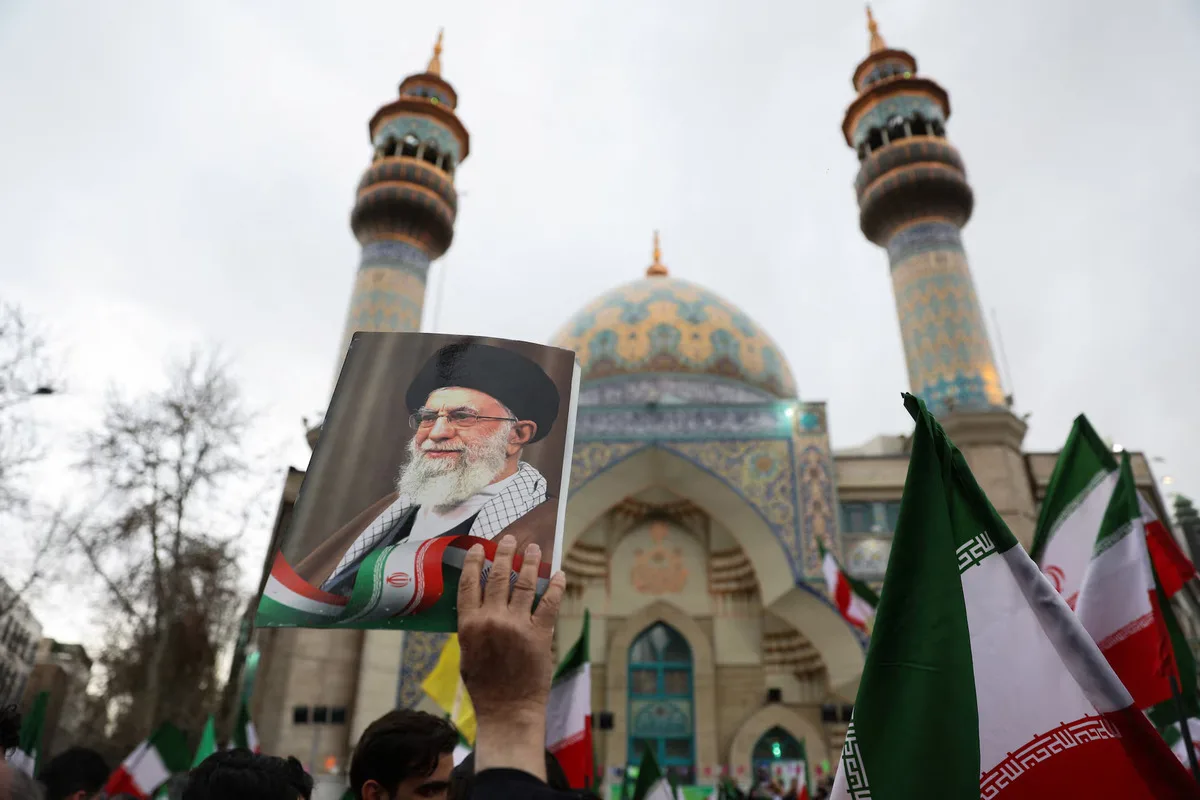
When the United States and Israel first launched their attacks, they focused on Iran’s missile systems. During the first strikes, Iran’s Supreme Leader, Ayatollah Ali Khamenei, who had been in power since 1989, was killed. Later, on 8 March, his son, Mojtaba Khamenei, was chosen to take his place.
Where has Iran attacked?
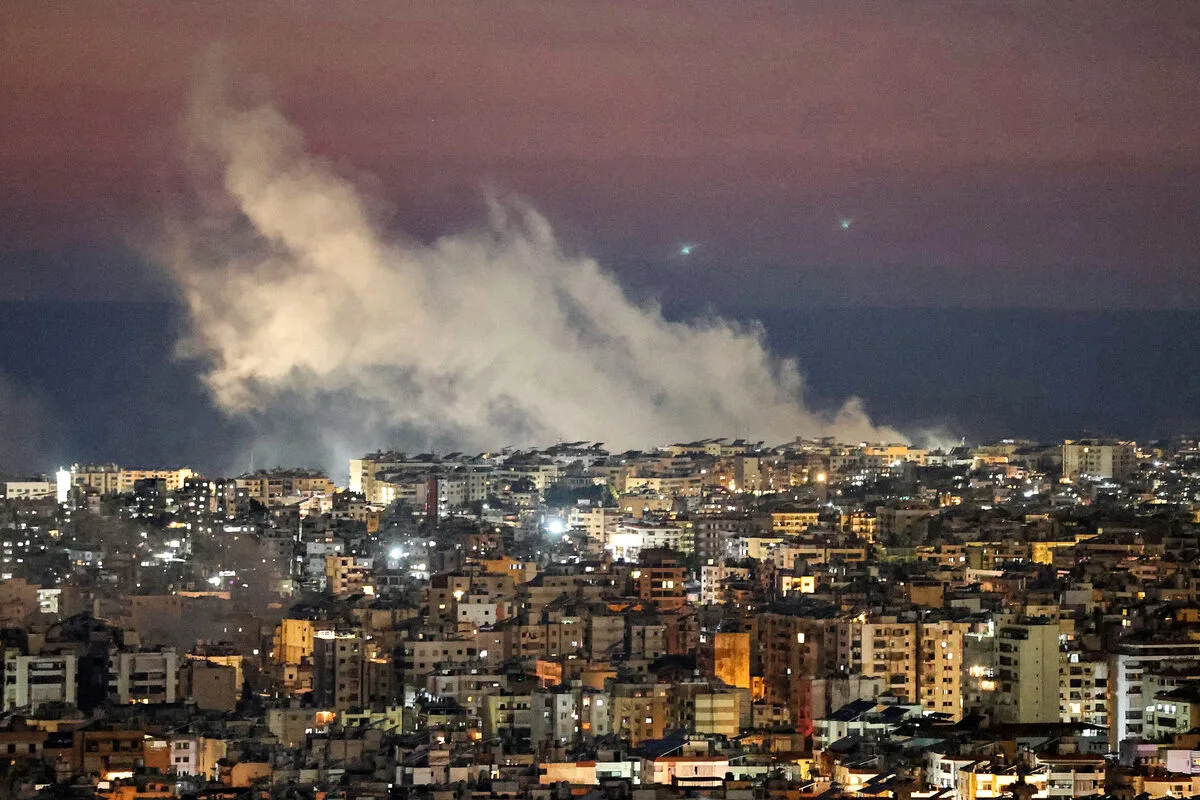
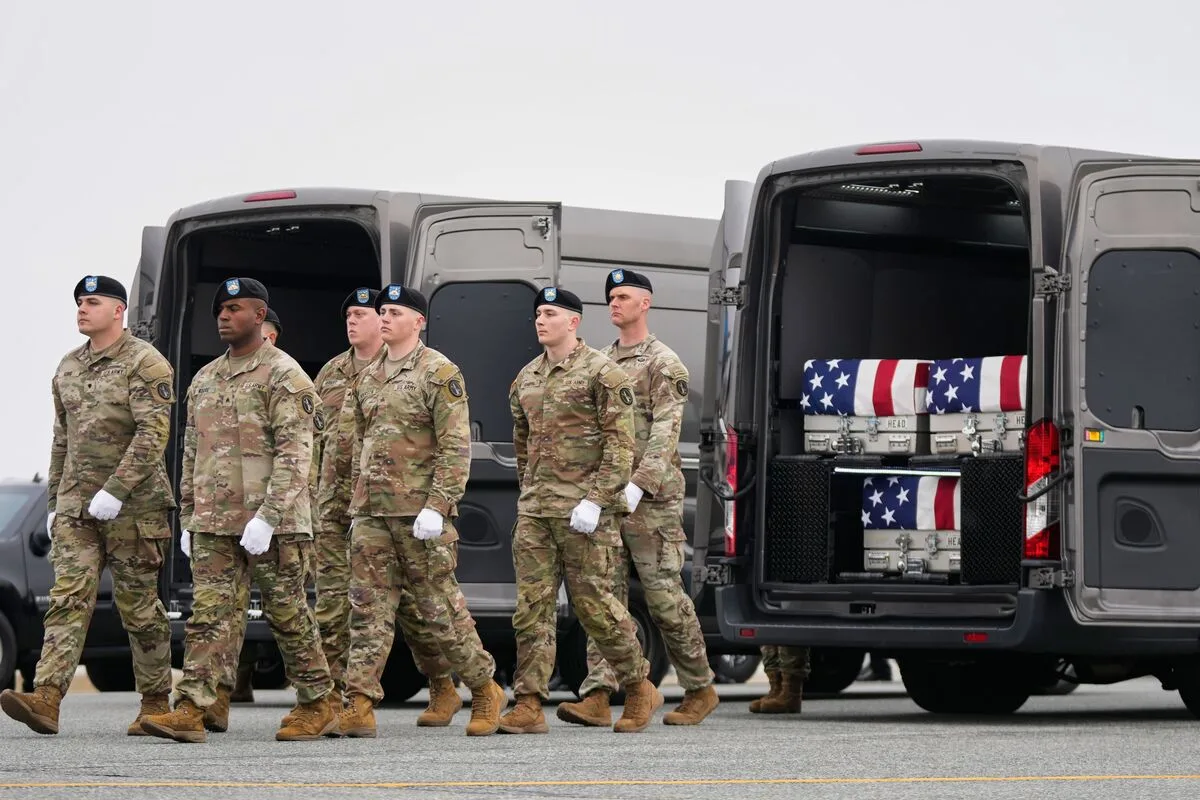
Iran says the attacks by the US and Israel were sudden and unfair, and it responded with drone strikes. There have also been attacks in countries where the US has military bases, such as Qatar, Bahrain, Jordan, the UAE, and Kuwait, as well as US-friendly countries like Oman and Saudi Arabia. So far, 13 US soldiers have been killed. Iran has also been blamed for attacking oil and gas sites, ships, and civilian areas.
At least 24 people have died across the Gulf region, most of them security workers or foreign workers. In northern Iraq, a French soldier was killed by a drone at a Kurdish military base and seven Iraqi soldiers were killed in an airstrike.
Why the War of US and Iran Stopped
The war has stopped for now, but the situation is still not clear. Many issues are not solved yet, and the whole world is watching closely, hoping that peace will continue. The main reason the war stopped is fear of a bigger disaster. Both the US and Iran understood that if the fighting continued, it could turn into a large regional war involving countries like Saudi Arabia, Israel, and Gulf nations. This narrow sea route is very important because much of the world’s oil moves through it. During the war, Iran blocked or threatened it, causing oil prices to rise quickly and hurting economies worldwide, especially countries that depend on oil. Global markets suffered and killed thousands and displaced millions.
Donald Trump gave Iran 48 hours to reopen the Strait of Hormuz and warned that serious damage could happen if they did not agree. Just a few hours before the deadline on April 7, the US and Iran agreed to stop fighting for two weeks after Pakistan helped with talks. Iran said it would reopen the route if attacks stopped. U.S. President Donald Trump said on Tuesday he has agreed to suspend the bombing of Iran for two weeks while accepting a 14-day truce proposal from mediators in the Iran war. Trump said he spoke to leaders in Pakistan, which has been a mediator between Washington and Tehran and which had sought a two-week ceasefire. The US agreed to pause its attacks. Pakistan’s Prime Minister quickly announced the ceasefire. Israel also supported the pause but with some conditions.
Pakistan’s Role in Peace
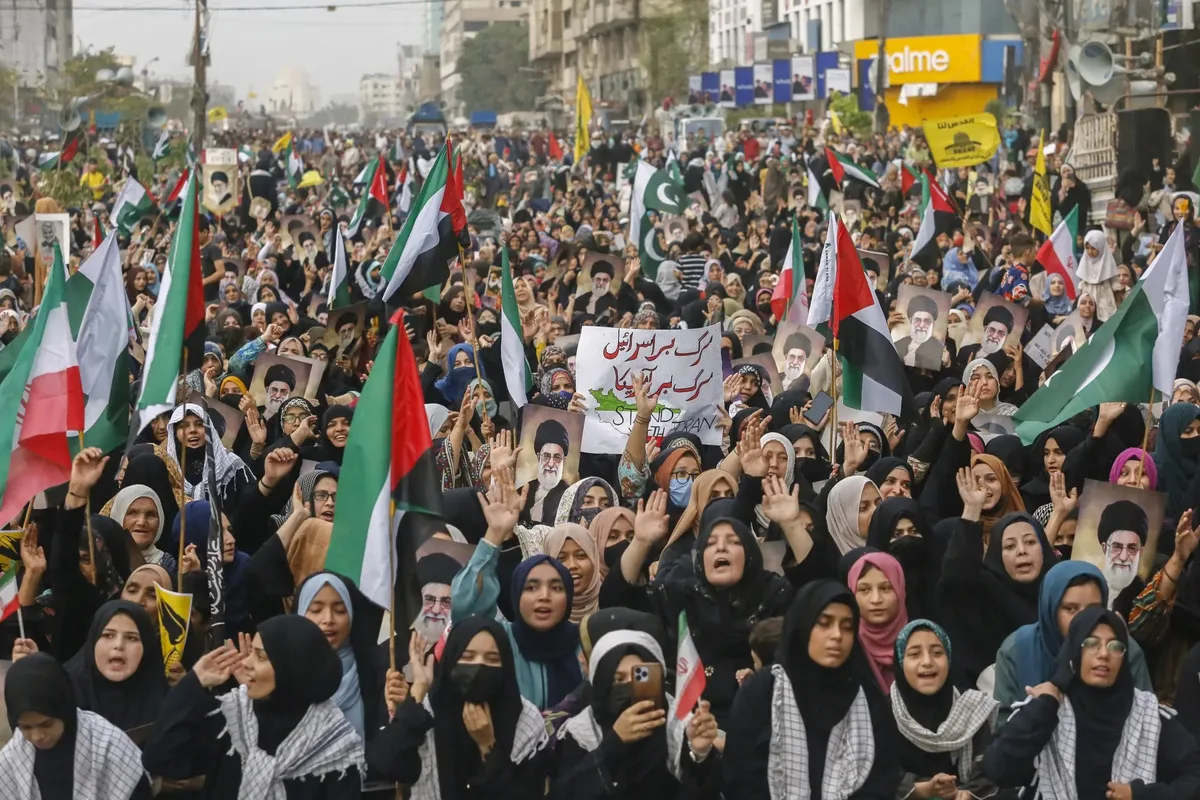
One of the most surprising parts of this conflict was Pakistan’s role. Pakistan acted as a middleman between the US and Iran. It held secret discussions and helped both sides agree to a temporary ceasefire. Reports say that Pakistan’s leaders kept talking to both countries and stopped the talks from failing at the last moment.
What Did Donald Trump Do?
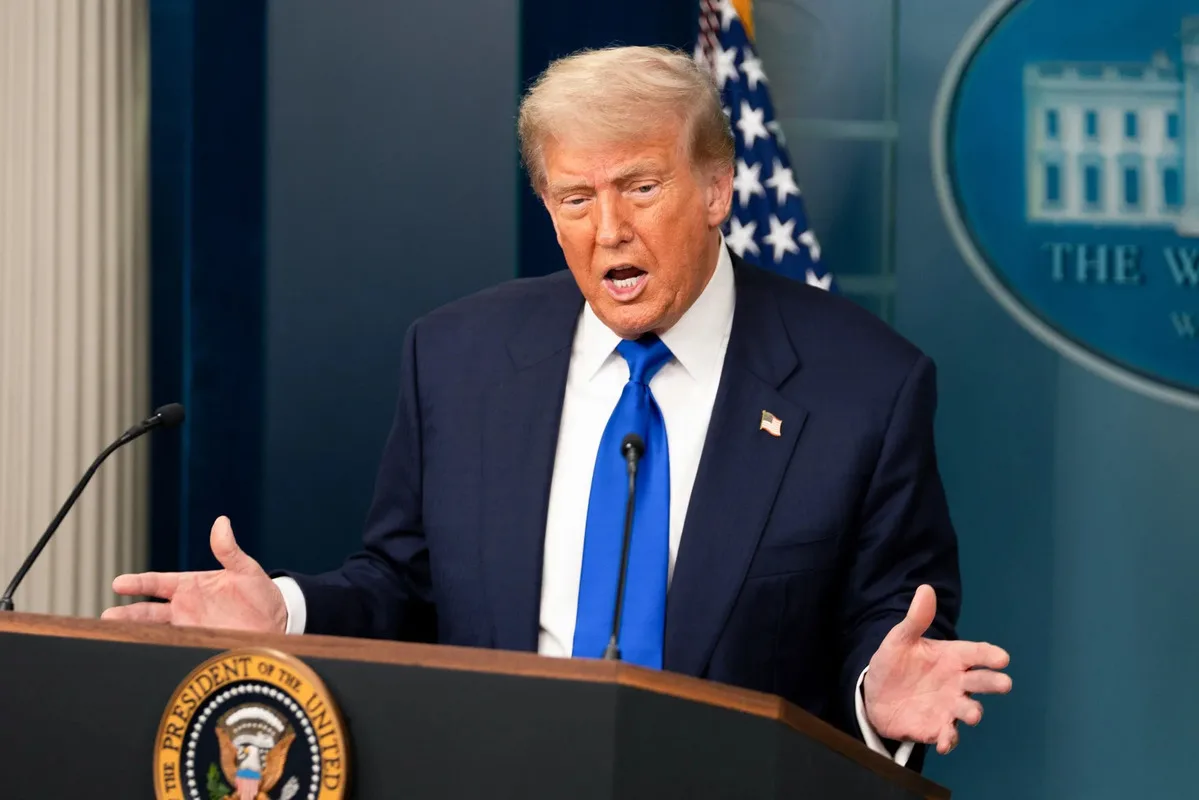
Donald Trump had both positive and negative roles in the conflict. On one hand, he made the situation more tense by warning Iran about strong military action and setting deadlines with serious consequences. On the other hand, he also helped prevent the war from getting worse by agreeing to a ceasefire just before things could escalate. He supported peace talks and even encouraged Pakistan to help in mediation.
Economic Losses for America
Last summer, President Donald Trump’s trade wars earned him the nickname TACO Trump. The name appeared again this week after he announced peace talks with Iran, which briefly lifted the stock market by 1.7 trillion dollars. A concern is the high cost of the war. Some estimates suggest losses could reach 1.5 trillion dollars, but the exact figure is unclear. The US spent amounts on military operations, weapons, missiles, troop deployment, and protecting oil routes, while oil prices and unstable markets hurt the economy and stocks fell.
Impact on UAE and Gulf Countries
The war affected not only the US and Iran but also other countries such as the United Arab Emirates. Iran launched missile and drone attacks on Gulf nations, including the UAE and Saudi Arabia, causing fear and damage to oil facilities, airports, and economic infrastructure. Some Gulf countries wanted peace, while others were ready to respond, making the situation more complex.
Prisoner Exchange and Captured Soldiers
Another issue during the conflict was the capture of soldiers and prisoners. Details remain unclear, but such situations usually involve captured troops, secret talks, and prisoner exchanges. In past tensions, swaps between countries have helped reduce conflict and build trust.
In 2026, reports stated Iranian officials claimed they captured U.S. soldiers, contradicting Washington. The war began and caused casualties among Iranian, Israeli, and American forces and these developments increased tensions.
Land and Regional Tensions
The war changed regional power and influence. Disputes remain over control of sea routes, influence in Middle Eastern countries, and military presence in key strategic areas. These problems are unresolved and may create future conflicts.
The ceasefire is temporary and fragile, and experts warn fighting could restart if talks fail. Oil prices fell after the ceasefire, showing peace matters for the global economy.