
 Snehashish roy
Actor Parag Tyagi has stirred controversy by alleging that black magic was performed on fellow performer Shefali Jariwala shortly before her sudden death. Tyagi’s remarks, shared in a recent interview, have reignited intense debate online and in entertainment circles about the role of superstition, personal belief and explanation in the wake of an unexpected tragedy.
Shefali Jariwala, a well-known television personality and performer, passed away suddenly, leaving fans and colleagues across the industry shocked. Her death was met with an outpouring of grief, and details about the circumstances continue to be discussed widely. In the days following her passing, many admirers shared memories and celebrated her work, while media attention naturally turned to understanding what happened.
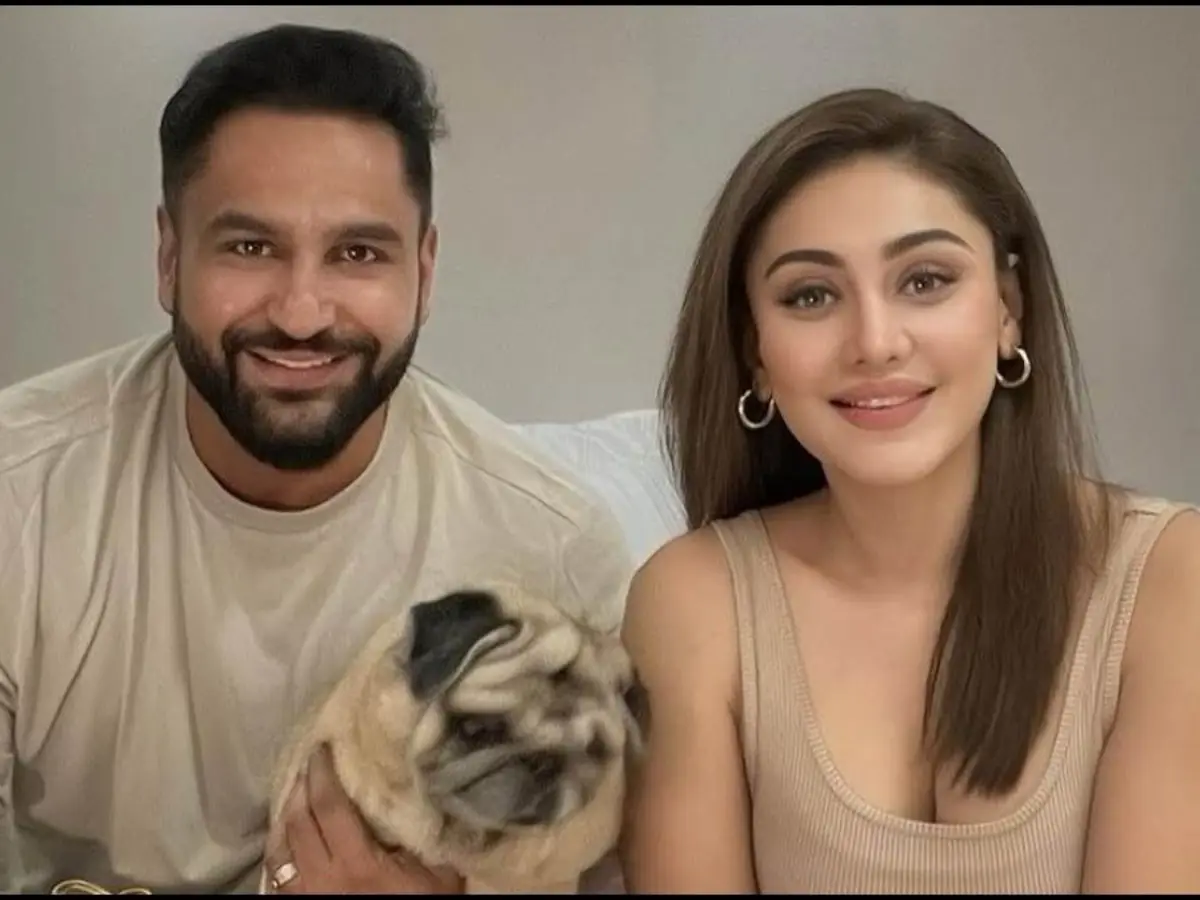
Against this backdrop, Parag Tyagi, who worked with Shefali on Super Dancer Chapter 4, claimed that he believed black magic was involved. In his statement, Tyagi suggested that Shefali may have been targeted with occult practices, a belief he says was shared by some who knew her closely and were puzzled by the suddenness of her death.
Tyagi’s allegation taps into long-standing cultural beliefs in supernatural forces and spiritual interference, ideas that continue to have resonance in various parts of Indian society, especially when events seem inexplicable or abrupt. Supporters of such beliefs often point to ancient traditions and personal testimonies that suggest unseen forces can play a role in people’s fortunes and misfortunes. Tyagi said his comment was not intended to dismiss medical explanations but to acknowledge the emotional and spiritual complexity that friends and colleagues sometimes feel when they lose someone unexpectedly.

While Tyagi’s belief in black magic reflects a cultural viewpoint held by some, it has also drawn significant criticism. Many industry observers and fans emphasised that claims of supernatural influence can be harmful and misguided unless there is clear evidence. Critics pointed out that suggesting occult involvement without proof can unfairly fuel fear, stigma and speculation rather than contribute meaningfully to understanding a loss.

Medical professionals and sceptics noted that sudden deaths, while tragic, often have underlying health or situational causes that may not be immediately apparent to outsiders. They cautioned against jumping to supernatural explanations, arguing that such interpretations can overshadow factual investigation and compassionate discourse.
Social media reactions to Tyagi’s comments were mixed. Some users supported his expression of belief in spiritual interference, saying that faith can provide comfort and a way to process grief in difficult moments. Others expressed frustration, arguing that public figures should avoid sensational claims that could mislead followers or add confusion during an already painful time.
The debate highlights a broader cultural tension in India, where traditional beliefs often coexist with scientific perspectives. In moments of loss or uncertainty, individuals may turn to a range of explanations that align with personal philosophy, community norms or spiritual frameworks. Celebrities, whose words carry weight with large audiences, can amplify these discussions, intentionally or not.
Tyagi’s reference to black magic was not accompanied by any documented evidence, and he did not indicate when or where such practices might have allegedly occurred. His statement remains a personal belief rather than a verified claim, and should be regarded as such.
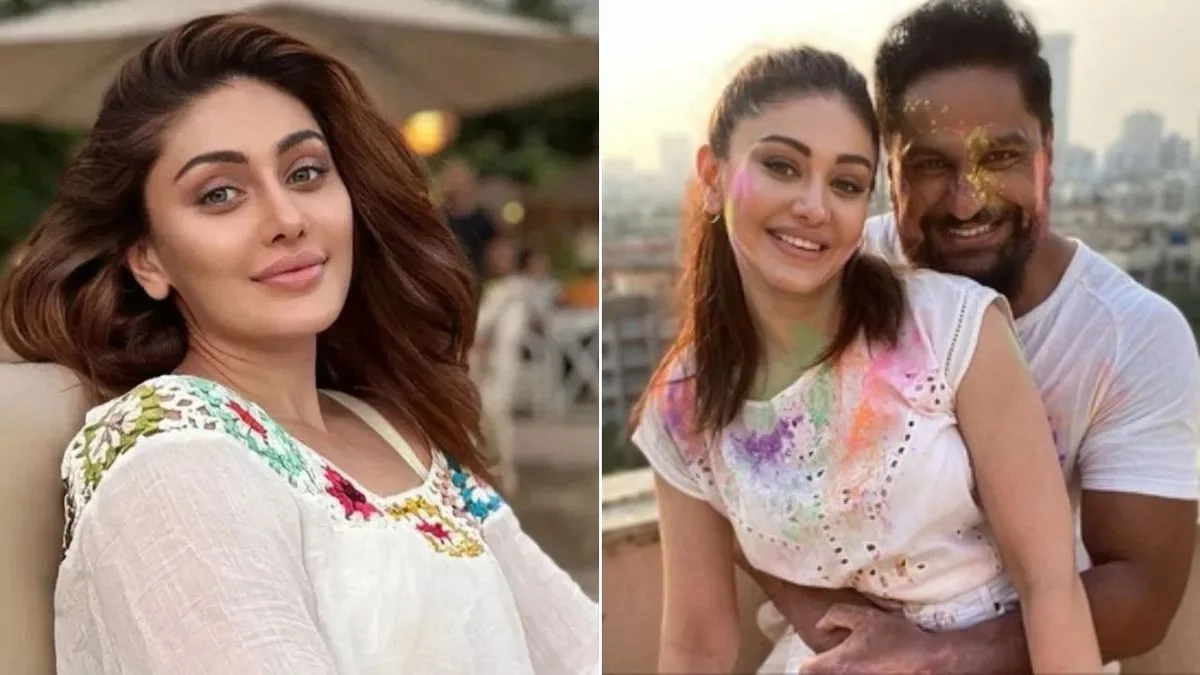
As the entertainment community continues to mourn Shefali Jariwala’s passing, many colleagues have focused on celebrating her life and contributions to television and dance. Tributes have poured in from fans and co-stars, highlighting her energy, talent and the joy she brought to audiences.
The conversation sparked by Tyagi’s remarks underscores how deeply personal belief systems intersect with public loss and how quickly narratives can shift in the public sphere when tragedy strikes. Whether seen as cultural expression or controversial speculation, his comments reflect the complexity of how people attempt to make sense of sudden death in the public eye.