
 admin
admin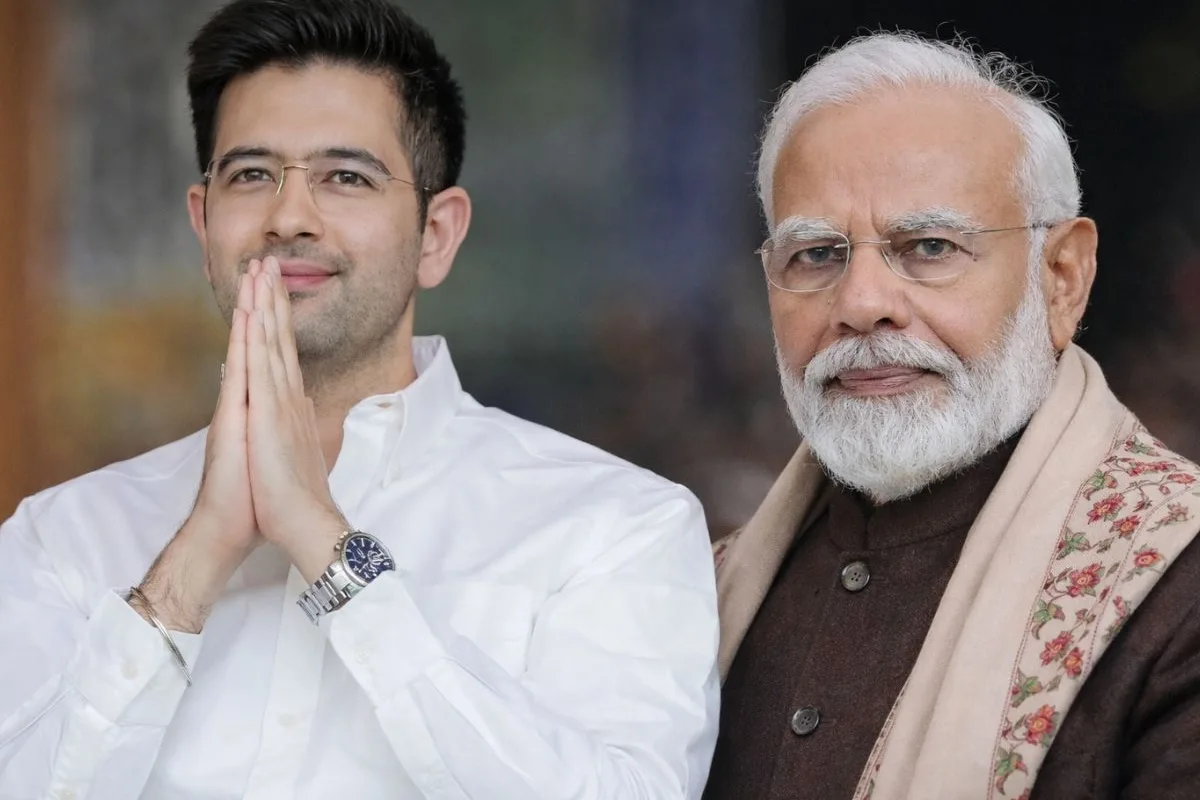
Edits | May, 2026
Indian politics today feels less like a contest and more like a curated spectacle. The script is tight, the cues are precise, and the opposition is still hovering in the wings, wondering if improvisation is allowed.
Begin with delimitation. India has been comfortably parked at 543 Lok Sabha seats since the 1971 Census, when the population was about 55 crore. Fast forward to over 140 crore, and representation has simply been stretched to the point of quiet absurdity. In states like Uttar Pradesh, one MP now represents close to 30 lakh citizens, far higher than in many southern states. A recalibration is inevitable.
Now comes the impending exercise post-2026, expected to expand the House dramatically. The logic is simple: more people, more representatives. The politics is simpler: the additional seats would largely accrue to high-population states in the north and centre. These are also the regions where the Bharatiya Janata Party has already entrenched itself with remarkable efficiency. It is described as demographic justice. It also functions as strategic amplification. The map expands, but not neutrally.
Into this carefully prepared landscape entered the centrepiece reform, the The Constitution (131st Amendment) Bill, 2026. The bill proposed 33% reservation for women in the Lok Sabha and state assemblies, alongside a significant increase in total seats, potentially pushing the House to 816–850 members. On paper, it was a landmark leap from the current representation that hovers around 14–15%.
On substance, it was overdue. On sequencing, it was politically loaded. The bill linked women’s reservation with an immediate delimitation exercise based on updated population data. That is where the fault lines sharpened.
And then came the rupture. On April 17, 2026, the bill was defeated in the Lok Sabha, securing 298 votes in favour against 230, falling short of the required two-thirds majority of 352. For the BJP-led government, this marked its first major legislative defeat in the Lok Sabha since 2014. The fallout was swift. The bill was withdrawn, and with it, the linked proposals for delimitation and seat expansion were shelved.
The political blame game followed predictably. The BJP accused opposition parties of blocking a historic reform for women. The opposition, including Congress, DMK, and TMC, countered that the bill was structurally flawed. Their argument was less about opposing reservation and more about resisting its linkage to a contentious delimitation exercise that could reduce the relative representation of southern states.
For women, the result is a familiar paradox. A historic promise was placed on the table, debated, amplified, and then quietly removed. Recognition was momentary. Representation remains deferred.
And then, almost as a subplot that refuses to stay minor, comes the theatre around Raghav Chadha, the Aam Aadmi Party, and the BJP. What appears as spontaneous outrage or procedural friction carries the unmistakable polish of careful staging. The accusations, committee confrontations, and sudden escalations feel less like isolated incidents and more like a slow, deliberate script.
The more intriguing aspect is the sense that this was not improvised but calibrated over the past year. The timing of flashpoints, the amplification cycles, and the careful positioning of Chadha as a composed, articulate face of resistance suggest a planned political arc. Yet, his recent campaigns complicate the picture further. They spoke for people, spotlighted civic concerns, and carried a reformist tone, but remained conspicuously out of sync with the Aam Aadmi Party’s usual combative positioning against the BJP. The messaging felt parallel, not aligned.
For the opposition, this dissonance is telling. Even in victory, coherence seems accidental. They blocked the bill, but struggle to own the narrative. What could have been framed as a principled stand risks being reduced to obstructionism.
Meanwhile, the BJP operates across timelines. Even in defeat, it retains narrative advantage. It positions itself as the proponent of women’s empowerment, shifts blame for failure, and keeps the broader framework of delimitation alive for the future.
What emerges is not merely electoral contest but narrative control. Delimitation alters the arithmetic of power. Reservation reshapes its social composition. Even in failure, both continue to define the political conversation.
The opposition, by contrast, remains trapped in a reactive loop. It resists, critiques, and occasionally blocks, but rarely leads. Fragmented alliances and inconsistent messaging dilute its ability to convert moments into movements.
In the end, the question is not whether these reforms are necessary. They are. The question is who controls their timing, their narrative, and their eventual benefits. Even in defeat, that control appears far from slipping.
CA Divesh Nath
Editor
Woman’s Era
LinkedIn: Divesh Nath