
 Gunjan Chaudhary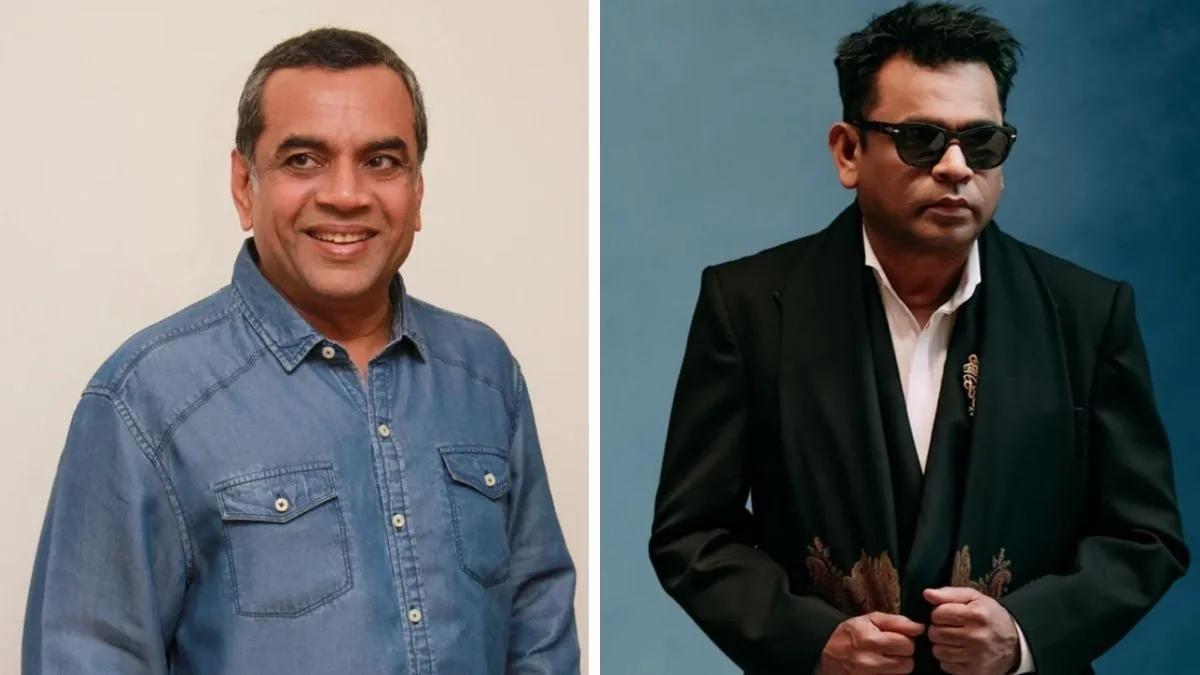
Oscar-winning composer AR Rahman has found himself at the center of a major controversy following his recent comments about communal discrimination in the Hindi film industry and his remarks on Vicky Kaushal’s film Chhava, which he described as divisive. As criticism mounted across social media, Rahman issued a public apology and clarification. However, the debate intensified after veteran actor Paresh Rawal came out in his support, drawing backlash himself.
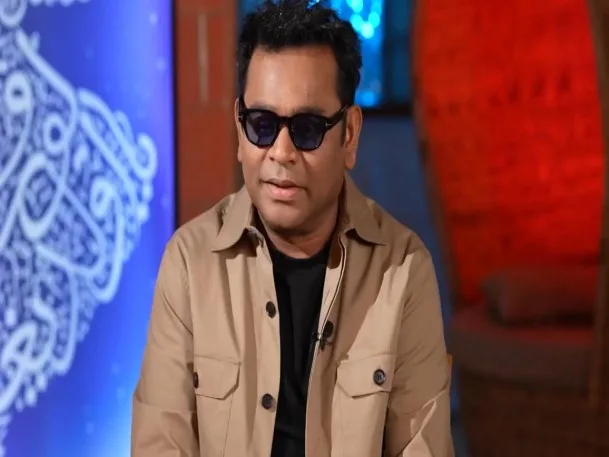
AR Rahman
AR Rahman Issues Apology Video
Amid growing outrage, AR Rahman released a video message apologizing for the way his comments were perceived. He clarified that he never intended to hurt anyone’s sentiments or create division. In the video, Rahman said that India is his inspiration, his guru, and his home. He emphasized that music has always been a unifying force in his life, one that promotes harmony, freedom of expression, and inclusivity. He also expressed gratitude to the country and reiterated that his remarks were misinterpreted.

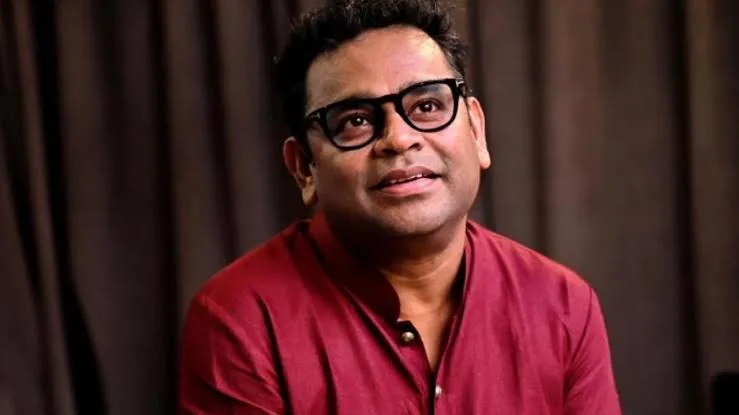
AR Rahman
Also Read: Rashmika Mandanna Breaks Silence on Salman Khan’s ‘Sikandar’, Says Film Changed From Original Script
Soon after Rahman’s apology, actor Paresh Rawal took to X to show his support. Sharing Rahman’s apology video, Rawal wrote, “We love you, sir. You are our pride.” While Rawal’s message was intended as solidarity, it triggered strong reactions online, with many users criticizing the actor for backing Rahman amid the controversy. Several users expressed disappointment with Paresh Rawal’s tweet.
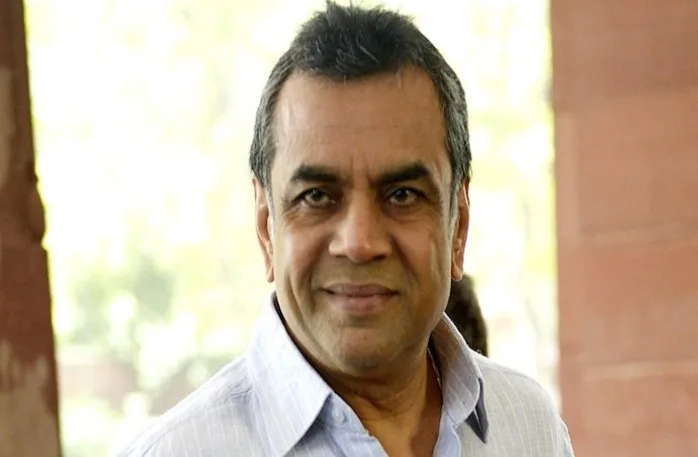
Paresh Rawal
One user wrote, “No, he is not our pride. We don’t love him. Please speak for yourself.” Another commented, “You can support him because of your industry connection, but he is a disgrace to most Indians.” The reactions reflect how polarized opinions have become around AR Rahman’s statements and the larger debate on ideology and nationalism within Bollywood.
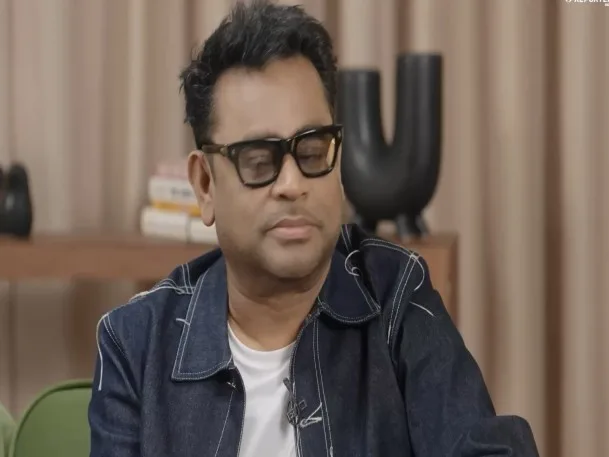
AR Rahman
The controversy began after AR Rahman spoke to one of the media houses where he claimed there has been a power shift in Bollywood over the last eight years. He suggested that this shift might involve communal bias, although he clarified that he had not personally witnessed discrimination firsthand. During the same interaction, Rahman also referred to Vicky Kaushal’s film Chhava as a divisive project, which further fueled criticism from audiences and industry observers.