
 Himshikha Shukla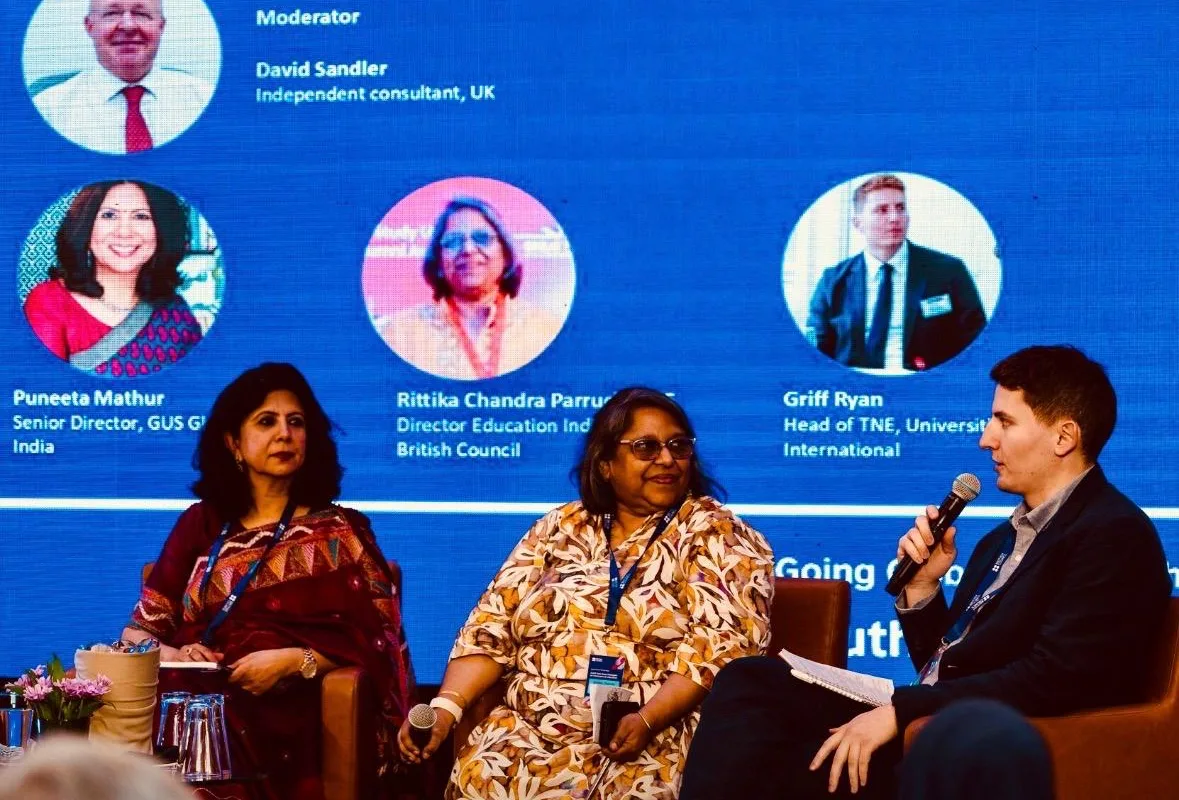
In a world constantly asking women to choose between ambition and personal fulfilment,
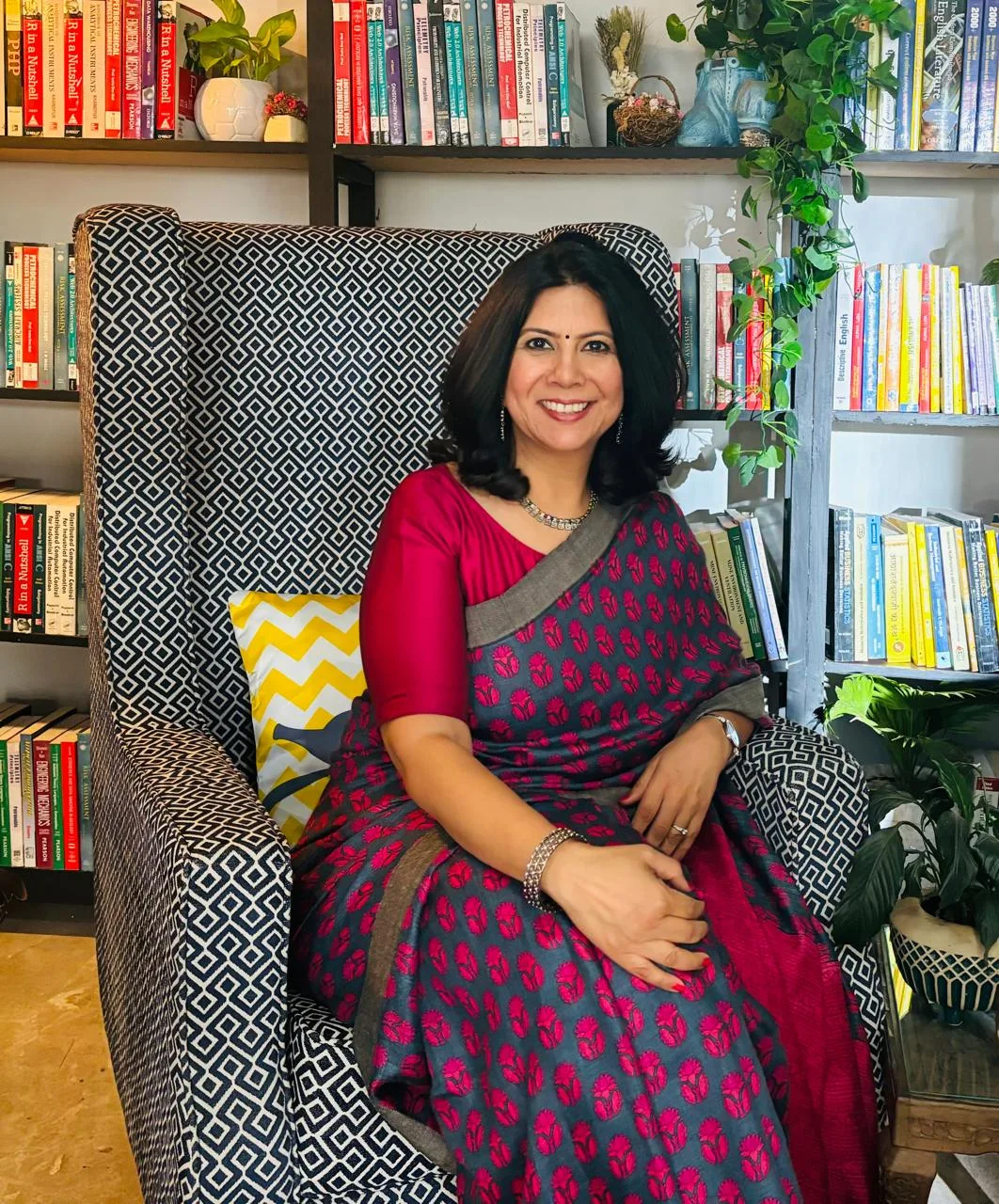
Puneeta Mathur has quietly built a journey that embraces both. With over two decades of experience spanning marketing, research, strategy, and international higher education partnerships, she has evolved into one of the key voices shaping India’s globally connected education landscape. Currently serving as Senior Director – Global University Partnerships at Global University Systems, Puneeta believes growth comes from stepping beyond comfort zones and embracing reinvention fearlessly.
In this candid conversation for Woman’s Era’s special, she speaks about leadership, motherhood, career breaks, self-belief, and the importance of building a life rooted in authenticity and gratitude.
1. You’ve spent over two decades in the corporate space, evolving from marketing leadership and research into the higher education sector. What have been the defining turning points in your journey?
My career journey has been anything but linear, and that’s what has made it meaningful. I started in marketing, brand building, and communication, where I learnt the power of storytelling and shaping perception. From there, I moved into research, analytics, and insights, which gave me a deeper understanding of audiences, behaviour, and decision-making. Eventually, I found my way into higher education, where I have worked on areas such as the internationalisation of education and enabling global institutions to establish their presence in India.
Each transition pushed me beyond my comfort zone and helped me build a more holistic perspective. Moving across domains was not always easy. It required me to constantly learn, unlearn, and adapt, but it has been deeply fulfilling.
What has shaped my journey most is the willingness to embrace change, stay curious, and keep reinventing myself. I’ve realised that growth rarely comes from staying within defined roles—it comes from stepping into unfamiliar spaces with confidence.
2. Leadership, especially at a global level, is still largely male-dominated in decision-making spaces. What has your experience been navigating these rooms?
Corporate leadership spaces have often been male-dominated, although I’ve been fortunate to work with organisations that genuinely believe in diversity and equal opportunity. A lot of how I’ve navigated these spaces comes from my upbringing. I was lucky to have parents who gave me the confidence to think independently, speak my mind, and not shrink myself to fit into a room.
Over the years, I’ve realised that I don’t need to change who I am to be effective. I’ve learned to bring empathy, collaboration, and even humour into conversations that can sometimes become overly transactional. Of course, there have been moments when I’ve been overlooked or felt the need to assert myself more strongly, but those experiences have helped me grow in confidence and clarity.
What has helped me most is continuing to learn, staying grounded, and never doubting my place at the table. Thankfully, things are changing. More women are leading differently and making workplaces far more inclusive than they once were.
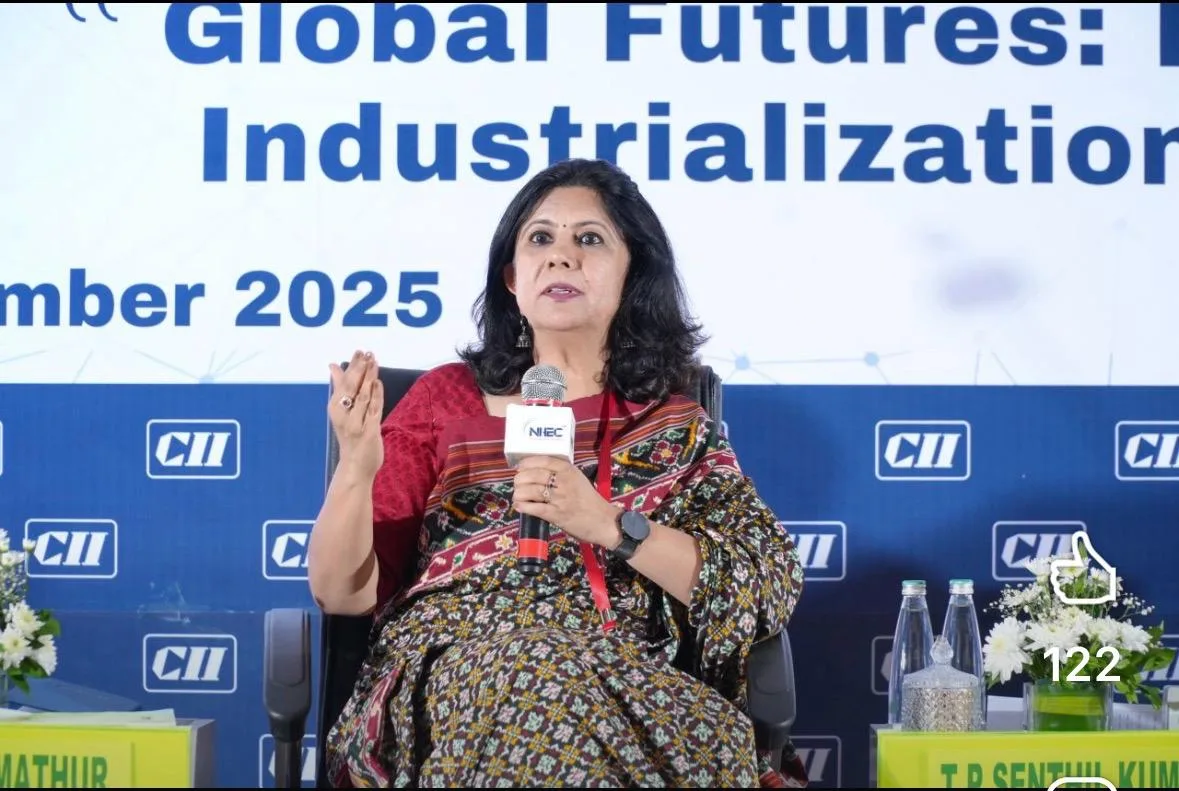
3. Your transition from marketing to international partnerships is interesting. What prompted that shift, and how has your role evolved in terms of impact?
The shifts in my journey have come from a deep curiosity to explore new spaces and constantly challenge myself. I’ve never been afraid of starting from scratch, even when it meant stepping into something unfamiliar. For me, real growth has always been about learning, evolving, and pushing myself beyond my comfort zone.
Moving from marketing into research, and later into international partnerships in the education space, expanded my perspective beyond communication and branding into building meaningful global collaborations.
Over time, the greatest sense of fulfilment has come through leadership and working with people. Building teams, mentoring individuals, helping shape careers, and solving challenges together has been deeply rewarding. I’ve realised leadership is as much about empathy and trust as it is about strategy or results.
4. With increasing focus on internationalisation, where do you see India’s higher education ecosystem heading in the next few years?
India’s higher education space is at a very exciting stage right now. With increasing focus on internationalisation, we are slowly shifting from being mainly an outbound market to becoming a destination for global education. There is real momentum around international universities, partnerships, and new models of learning, which will create far more opportunities for students.
In the coming years, we’ll see more international campuses, joint programmes, student exchange opportunities, and research collaborations taking shape in India. Students won’t always have to go abroad for global exposure—they will increasingly be able to access it here as well.
At the same time, Indian institutions will need to become more agile, innovative, and aligned with industry needs. If we can make quality education more accessible and inclusive, India has the potential to build a globally connected education ecosystem while still retaining its own identity. I believe this progress is also an important step towards the larger vision of Viksit Bharat.
5. Who is Puneeta Mathur beyond her designation? What values or personal philosophies have quietly shaped your decisions over the years?
The values that have shaped my decisions over the years are authenticity, curiosity, and the willingness to embrace change. I’ve always believed in being true to my own voice rather than trying to fit into a mould, and that has helped me make choices that genuinely align with who I am.
I strongly believe that real growth happens outside your comfort zone. Some of the most meaningful phases of my life and career have come from taking on something new and figuring it out along the way. At the same time, I deeply value relationships, trust, and respect. No achievement is possible without genuine people around you—people who support you, believe in you, and stand by you through different phases of life.
I also believe in consistency and hard work over shortcuts. For me, success has always been about showing up, staying committed, and continuing to evolve.
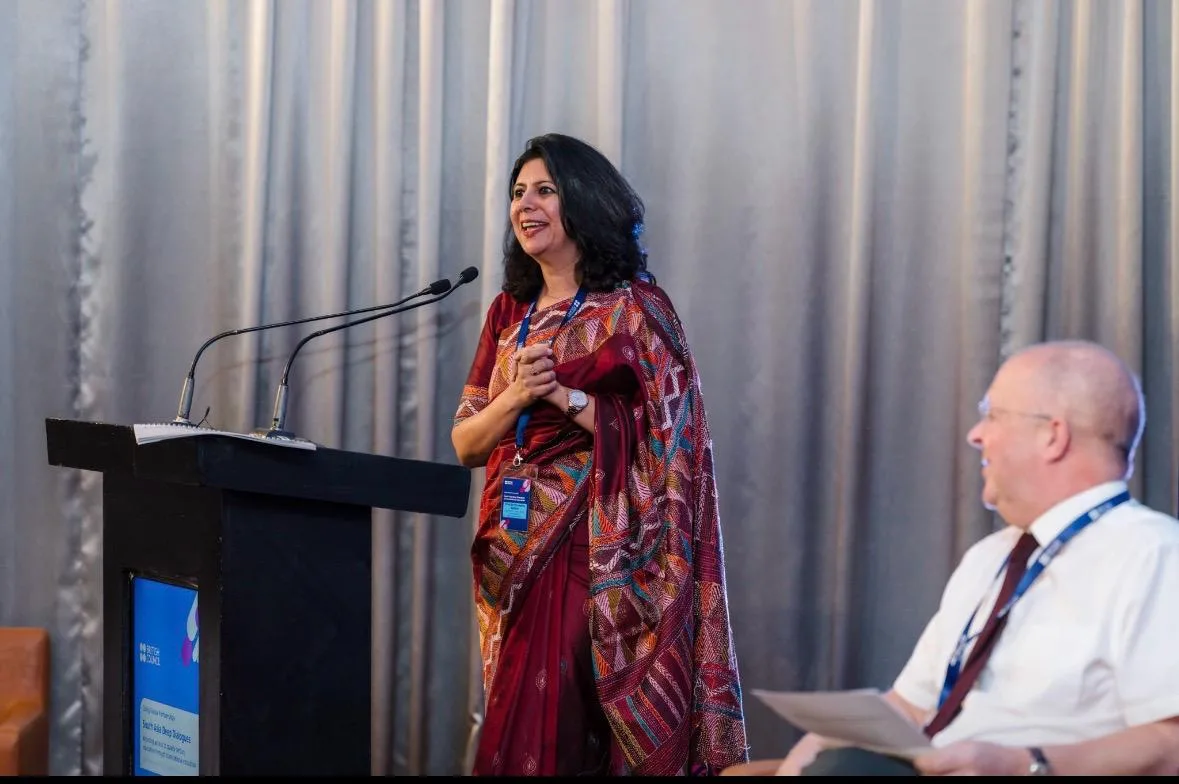
6. At what point in your journey did motherhood and ambition begin to intersect meaningfully—and was it a smooth coexistence or a constant negotiation?
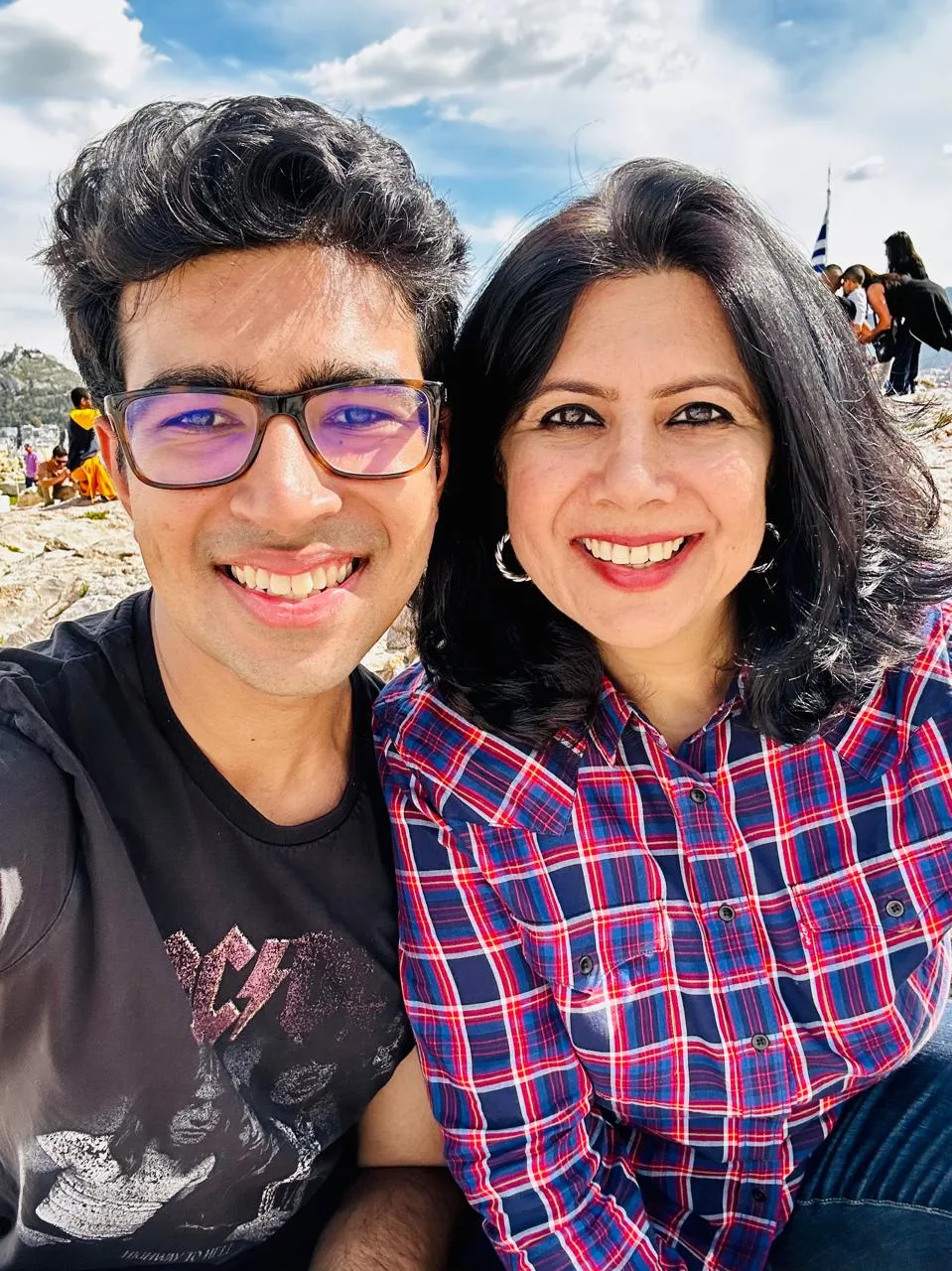
Motherhood and ambition have never felt like opposing forces to me, but balancing them has definitely required conscious choices. I have taken career breaks at important phases of my son’s life, and I don’t regret them for a moment.
The first was when my son was about a year old. After returning to work post maternity leave, I realised I was not doing justice to either my work or my child. One day, I walked into the office and resigned. The next two and a half years were truly beautiful because I got to be present for my son’s formative years while also staying intellectually engaged through part-time teaching as a visiting faculty member at business schools.
I took another break when he was in Class 10 because I wanted to be around him during an important transition phase in his life. The bond we built during those years remains one of my most precious memories.
At the same time, I was fortunate to return to fulfilling workplaces and continue meaningful work whenever I felt ready again. I think women often underestimate themselves. If we continue learning, believe in ourselves, and carry ourselves with confidence, nothing can truly stop us.
7. In your experience, what does “taking charge” truly look like for modern women today—especially mothers?
For me, “taking charge” is not about trying to be superwoman or balancing everything perfectly. It is about having the confidence to make your own choices and being at peace with them.
As women, especially mothers, we often carry unnecessary guilt—whether it is about work, parenting, taking time for ourselves, or simply wanting more from life. I think taking charge begins when you stop constantly seeking validation for your decisions.
There are phases when career takes priority and phases when family does, and both can coexist over a lifetime. Taking charge also means not losing yourself in the process, continuing to grow, staying financially and emotionally independent, and having the courage to start again if needed.
Children don’t need perfect mothers. They need happy, confident, and emotionally present women around them.
8. Did becoming a mother change the way you lead, communicate, or make decisions professionally?
Absolutely. Motherhood changed me in ways that naturally reflected in the way I work and lead. I became more patient, empathetic, and understanding of the fact that everyone is balancing something in their personal lives that we may not always see at work.
At the same time, it made me sharper and more practical. Managing home, children, and work together teaches you how to prioritise, make decisions faster, and use your time wisely. I also became more confident in trusting my instincts.
Most importantly, motherhood gave me perspective. It reminded me that while work is important and fulfilling, it is not the only measure of who you are. That understanding made me calmer, more grounded, and probably a better leader as well.
9. Young women today want it all—but often feel overwhelmed. What is one honest piece of advice you would give them that goes beyond the usual “you can do it all”?
What matters most is believing in yourself with conviction, even during moments of doubt. Confidence is not about never feeling vulnerable—it is about not letting that stop you. Stay positive, trust your instincts, and don’t underestimate the power of manifestation. When you truly believe something is possible and work towards it with intent, life slowly begins to move in that direction.
At the same time, stop putting pressure on yourself to do everything perfectly. Social media often makes it seem like everyone else has life beautifully sorted, but the truth is that every woman is figuring things out as she goes along.
You also have to accept that you cannot make everyone happy all the time—and that’s okay. Put yourself first sometimes, without guilt. Most importantly, build strong relationships with the people around you because those relationships become your biggest strength through different phases of life.
One thought I’ve carried with me for years is: “Always believe that something wonderful is about to happen.” It has helped me face uncertainty with hope and optimism.
10. What does Mother’s Day mean to you personally?
To me, Mother’s Day is about reflection and gratitude. As I’ve grown older, I’ve realised how much of who I am comes from my parents—the values they instilled in me, the sacrifices they made, and the grounding they gave me in life. My mother’s quiet strength shaped my confidence and ability to stand on my own feet. So much of who we become is built through the small, everyday things our parents do for us over the years.
As a mother myself, I deeply value the love and appreciation my son expresses towards me. Those moments of warmth and acknowledgement mean far more than any grand celebration. For me, it is not really about gifts—although I do love both giving and receiving them. More than anything, it is about expressing love, appreciation, and never taking the people who shape our lives for granted.