
 Himshikha Shukla
Celebrity travel may look effortless, but the smoothest trips usually come down to sensible preparation and a few reliable habits. A well-timed itinerary, compact luggage and a plan for awkward gaps can remove much of the friction from a travel day. You don’t need a personal assistant or private transfer to borrow the same principles. These practical ideas will help you move through airports and unfamiliar cities with more confidence, whilst leaving space for the spontaneous moments that make a trip memorable.
Planning Your Itinerary Like a Pro
Start with the fixed points of your trip: departure times, check-in deadlines, accommodation access and any reservations that would be costly to miss. Add them to one calendar in the local time zone, then work backwards. For an international flight at 3 pm, for example, decide when you need to reach the terminal and calculate your departure time from the city using a realistic traffic estimate.
Before booking, read the latest official travel advice for your destination. Entry requirements, local transport disruption and seasonal weather can all affect the schedule. Save copies of your booking confirmations and passport details in a secure digital folder you can access offline.
Pay particular attention to the hours between checking out and leaving the city. Dragging a suitcase through cafés, shops and galleries quickly becomes tiring. If a Stockholm trip leaves you with a free afternoon after hotel check-out, booking a place to leave your luggage in Norrmalm can make that time far more usable.
Keep some breathing room between activities too. A tightly packed timetable can unravel after one delayed train. Aim for one main booking in each half of the day, then keep nearby attractions, parks or cafés as flexible options. It’s the scheduling equivalent of a polished airport outfit: put together, practical and ready to adapt.
Airport Hacks for a Smooth Experience
Check in online as soon as your airline permits it and take a screenshot of your boarding pass. Airport apps can also provide live gate details, terminal maps, and delay notifications, although you should still check the departure screens in case information changes.
Pack liquids and electronics where you can reach them easily. Requirements vary by airport, so review the relevant airport security guidance before leaving home. Avoid assuming that new scanning equipment has changed the rules everywhere. A clear pouch near the top of your bag will save you from unpacking the entire case at the security tray.
Your airport outfit deserves practical thought. Layers cope well with warm terminals and chilly cabins, while slip-on shoes and minimal jewellery may help you move through screening more comfortably. Keep your passport, phone and wallet in one zipped pocket or small organiser. Returning each item to the same place reduces the chance of leaving something at a charging point or café table.
For inspiration, celebrity airport style often combines comfortable clothing with practical layers and well-organised carry-ons.
Once you’re through security, locate the gate before settling down. At a large airport, the walk may take 15 or 20 minutes. Fill your water bottle, download entertainment and charge your devices near the gate, then set an alarm for boarding. If you’re travelling with someone, agree who is watching the bags during coffee and bathroom breaks. Simple roles prevent last-minute confusion.
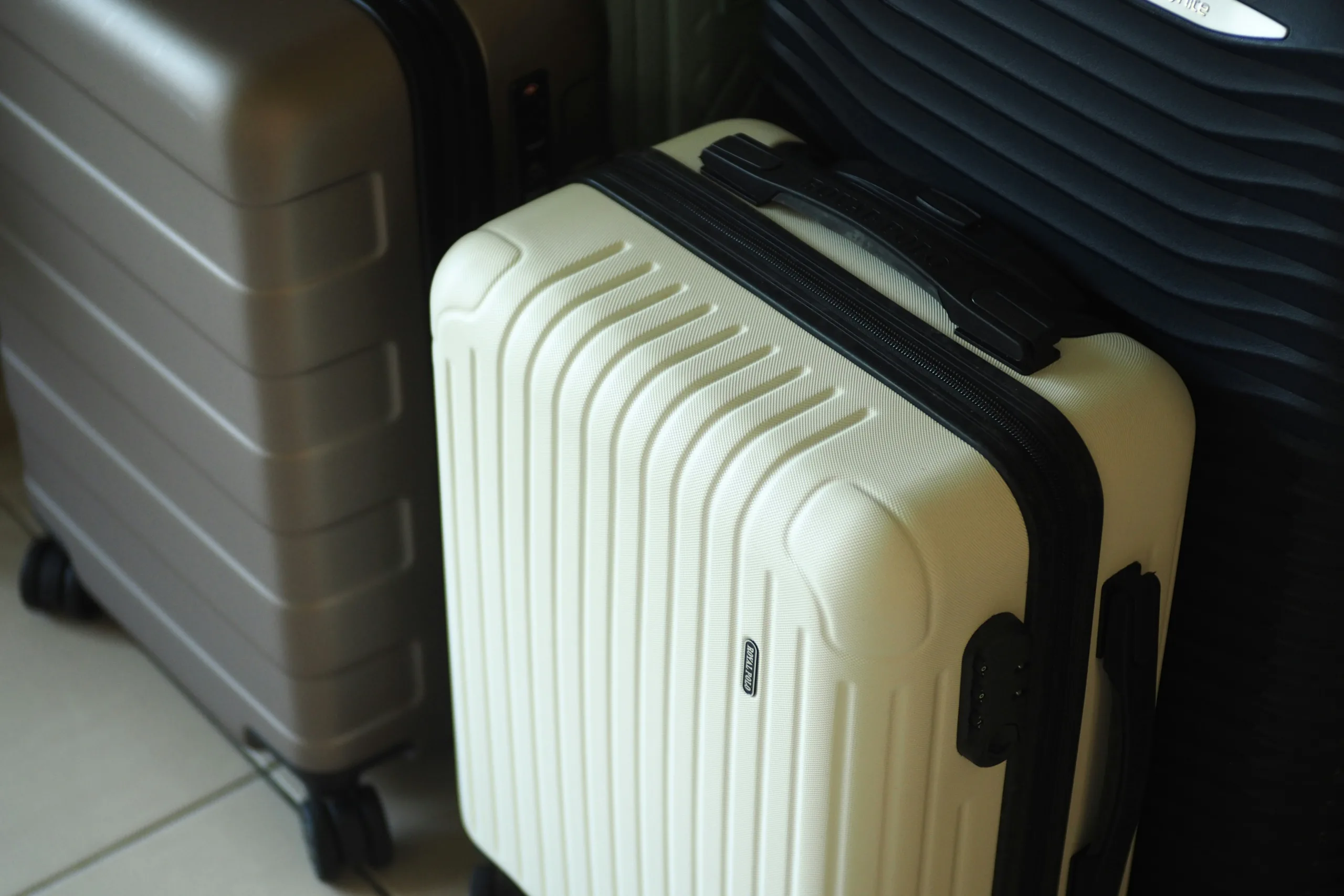
Image Credit: Unsplash
Why Light Travel is Always in Fashion
A compact wardrobe makes travel days easier and gives you more flexibility when plans change. Choose pieces that work together instead of packing a separate outfit for every occasion. A neutral jacket, comfortable trousers, two tops and one smarter layer can cover sightseeing, dinner and the flight home. Accessories add colour without taking up much room.
Check your airline’s cabin baggage allowances before choosing a case. Size and weight limits vary, even between fares sold by the same carrier. Measure wheels and handles as part of the bag’s total dimensions, then weigh it at home. Leaving a little spare capacity also creates room for a book or small souvenir.
Packing cubes can separate outfits, sleepwear, and cables, though ordinary zipped pouches work perfectly well. Roll softer garments and place heavier items close to the wheels of an upright case. Wear your bulkiest footwear during transit if it remains comfortable enough for long terminal walks.
Be selective with toiletries. Decant products into labelled travel containers and skip items supplied by your accommodation. A tiny laundry soap sheet can refresh a top during a longer break and reduce the number of duplicates you carry.
Light travel has another advantage when disruptions occur. You can move quickly between platforms, manage stairs without help, and keep essential belongings close during a delayed connection. That freedom often feels more luxurious than bringing every possible outfit.
Freedom to Roam in Any City
Arrival and departure days often leave useful hours between check-out, check-in, and transport. Store your bags at an approved facility or ask your accommodation to hold them, then enjoy lunch, a museum, or a relaxed walk without carrying your luggage.
Plan your arrival around one neighbourhood. Choose a café, indoor attraction, and green space within walking distance, and save them on an offline map along with your accommodation and transport hub.
Public transport may be quicker than taxis in busy areas, but check payment requirements before boarding. Carry a small amount of local currency for places that do not accept cards.
Bring a portable charger and a short cable, as maps and travel apps can quickly drain your phone. Keep your schedule flexible too. Changing a park visit to a covered market when it rains can make the day more enjoyable.
Keeping Calm Amidst the Chaos
Busy terminals combine queues, announcements, bright lights, and uncertainty, so small calming routines can have a noticeable effect. Prepare for common problems before they become stressful. Keep essential medication, one change of clothes, and basic toiletries in your cabin bag in case checked luggage arrives late. Photograph the outside of your suitcase and its baggage label before handing it over.
When a delay appears, establish the facts first. Check the airline’s app and departure board, then speak to staff if the instructions remain unclear. Repeatedly refreshing several social media feeds can amplify rumours and anxiety. One official source and a sensible check-in interval will give you useful information without consuming the whole wait.
Slow breathing can help when tension rises. The NHS offers a simple breathing exercise for stress that can be practised while seated at a gate. Breathe gently into your abdomen, inhale through your nose and exhale through your mouth for several minutes. Noise-cancelling headphones, a familiar playlist or a short walk through a quieter part of the terminal may also lower the sensory load.
Food and hydration affect your mood more than airport glamour might suggest. Bring a permitted snack, refill your water bottle after security, and avoid relying on a rushed meal just before boarding. If the day goes off schedule, focus on the next useful action, such as finding the new gate or messaging your accommodation. Even the most polished travellers aren’t immune to delays. They simply keep their documents close, their plans flexible, and their charger within reach.