
 Himshikha Shukla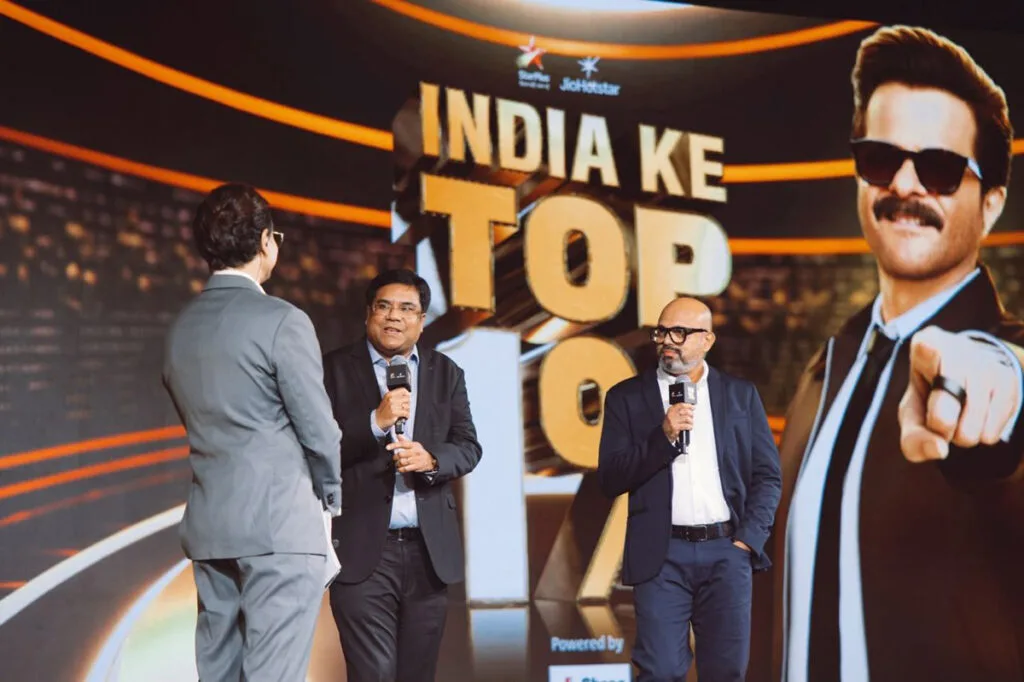
StarPlus has launched a new game show, India Ke Top 1%, hosted by actor Anil Kapoor. The top prize stands at ₹1 crore, yet the format differs fundamentally from conventional TV quiz shows. Rather than testing encyclopedic knowledge, contestants are presented with challenges built around logic, observation, and common sense. This approach makes the show accessible to virtually any viewer, regardless of educational background or breadth of general knowledge.
Kapoor on Screen: A Host’s Energy and Connection with Contestants
Anil Kapoor brings his signature expressiveness and rapid pace to the project. He sets the rhythm of each episode, shifting seamlessly between the excitement of the game and more candid exchanges with contestants when their personal stories come to the fore. This balance proves especially important for a logic-based game show, where tension builds not through the difficulty of a trivia question but through the need to spot an answer that is, quite literally, hiding in plain sight.
Kapoor’s ability to hold the audience’s attention during moments of quiet analytical work by contestants — and then instantly ignite the atmosphere when a correct answer lands — turns each episode into a cohesive television event. Rather than drawing focus to himself, the host serves as a guide between the studio and the viewer at home.
How the Game Works
The show’s mechanics are built around several key principles:
- At the start of each episode, 100 contestants begin simultaneously, immediately creating a sense of mass competition.
- Questions demand not the recall of memorized facts but careful analysis of the task at hand and the ability to notice clues hidden in plain view.
- The correct answer is often so obvious that it is easy to overlook — and that becomes the primary trap for contestants.
It is precisely the accessibility of the logic-based challenges that makes the format appealing to a broad audience. Viewers at home frequently arrive at the solution before the contestant in the studio, and this sense of shared participation becomes a powerful incentive to stay tuned.
The Game Extends Beyond the Studio
The competitive experience is further enhanced by the JioHotstar Play Along interactive feature. It allows viewers to work through the same challenges in parallel with the contestants and compare their results against what is unfolding in the studio in real time. In effect, the television screen ceases to be a window for passive observation and becomes a fully fledged playing field where anyone can put their own powers of observation to the test.
The Premiere Episode and the First Major Win
The premiere episode immediately gave the show a compelling success story. Bijal Shah, a chartered accountant from Mumbai, became the project’s first major winner, taking home ₹94 lakh. Her playing style was marked by composure and a methodical approach to each challenge. It was analytical steadiness — not speed of reaction or luck — that carried her to such an impressive sum.
Shah’s win set a high benchmark for future contestants and simultaneously affirmed the show’s stated philosophy: victory belongs to those who can think, not to those who have memorized the most.
StarPlus’s Weekend Bet
The producers have deliberately opted for a light, family-friendly tone free of excessive drama. The substantial cash prize delivers excitement, but the studio atmosphere remains celebratory rather than tense. In the competitive landscape of Indian game shows, where long-established formats dominate, India Ke Top 1% places its bet on a fresh format and interactivity as its primary competitive advantages.
What Will Sustain Interest Going Forward
The success of India Ke Top 1% fits into a broader trend: the game show format is increasingly extending beyond traditional television into interactive digital environments. Specialist resources such as livegameshows.org reflect this expansion, covering a growing range of live-hosted and interactive game formats available online. What connects many of these formats is the emphasis on participation — viewers are encouraged not simply to watch but to engage with the action as it unfolds. The StarPlus project capitalizes on the same demand, transplanting the mechanics of digital engagement onto the television screen and augmenting them with the Play Along feature.
Sustained interest in the project rests on three pillars. The first is Anil Kapoor’s charisma, which turns each episode into a live event. The second is the logic-based observation challenges that draw viewers into the problem-solving process. The third is the Play Along interactive feature, which dissolves the boundary between the studio and the home screen. The combination of these elements gives the project the resources for a lasting place in the weekend programming lineup.