
 Shivani
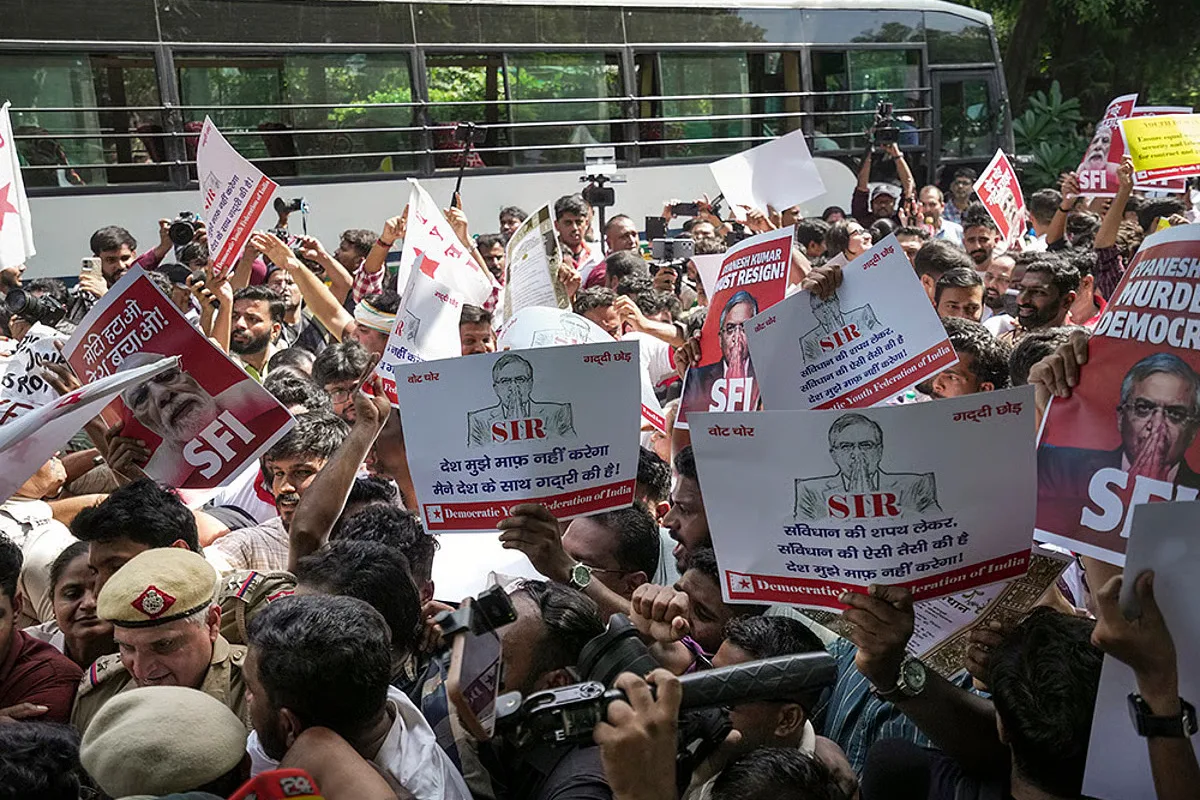
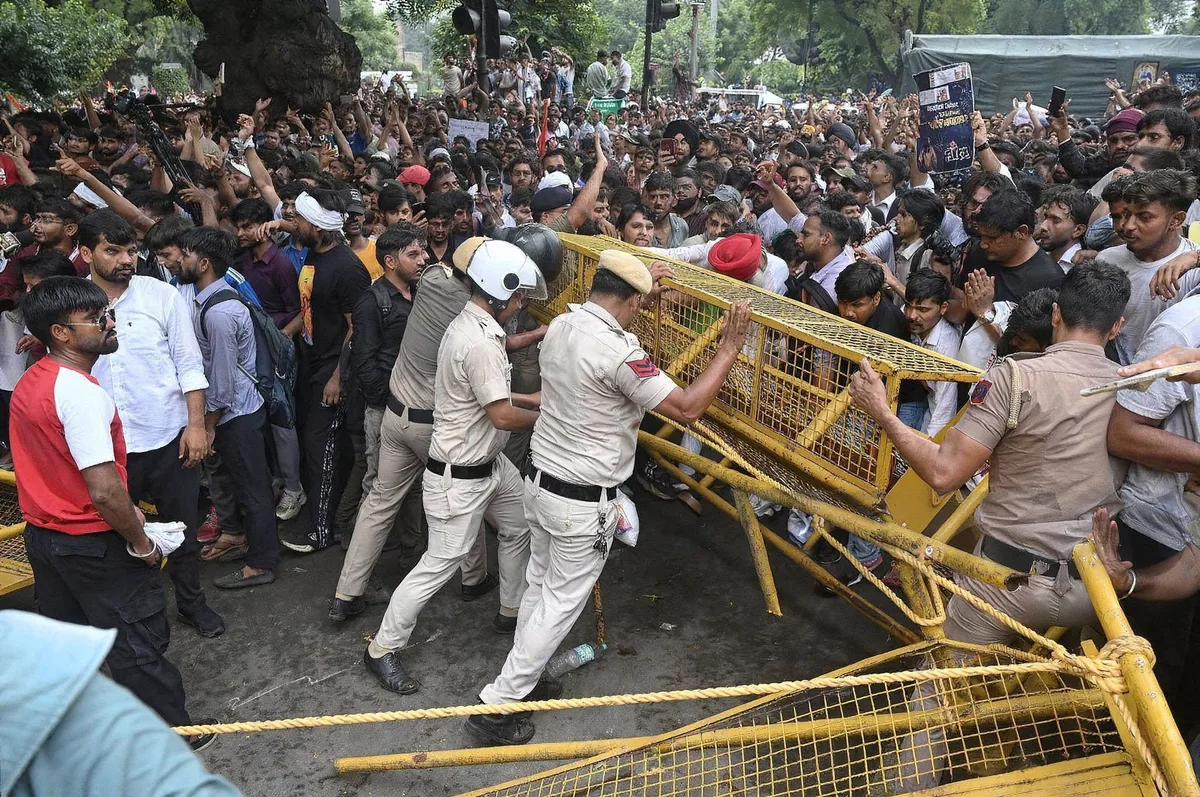
History repeats itself! Today’s protests remind us of British rule, when people fought for freedom from the British, who enslaved us and ruled our country. But today, the fight is against the government, as ordinary people demand justice, human rights, and accountability from the CEC. History repeats itself, once again trying to open people’s shut eyes and make them face the harsh reality. Delhi Police have allegedly attacked protesters brutally and detained them, and now even journalists are not being spared from this brutality. Delhi has witnessed many protests over the years for several issues that have been raised and forgotten with time, but when people expect real change.
From students demanding justice to farmers fighting for their rights, the national capital has often become the place where people come together to question those who are in power. Today, one of the scathing protest movements over CEC and the demand for the resignation of Gyanesh Kumar has brought the city into focus. The Cockroach Janta Party (CJP), led by the founder of the party, Abhijeet Dipke, is protesting alleged irregularities in the revision of electoral rolls. Its latest planned demonstration has also brought attention to police restrictions and the right to protest into the public debate. The situation raises the question: How should a democracy respond when its citizens come out onto the streets to justice?
Delhi’s Long History of Protest
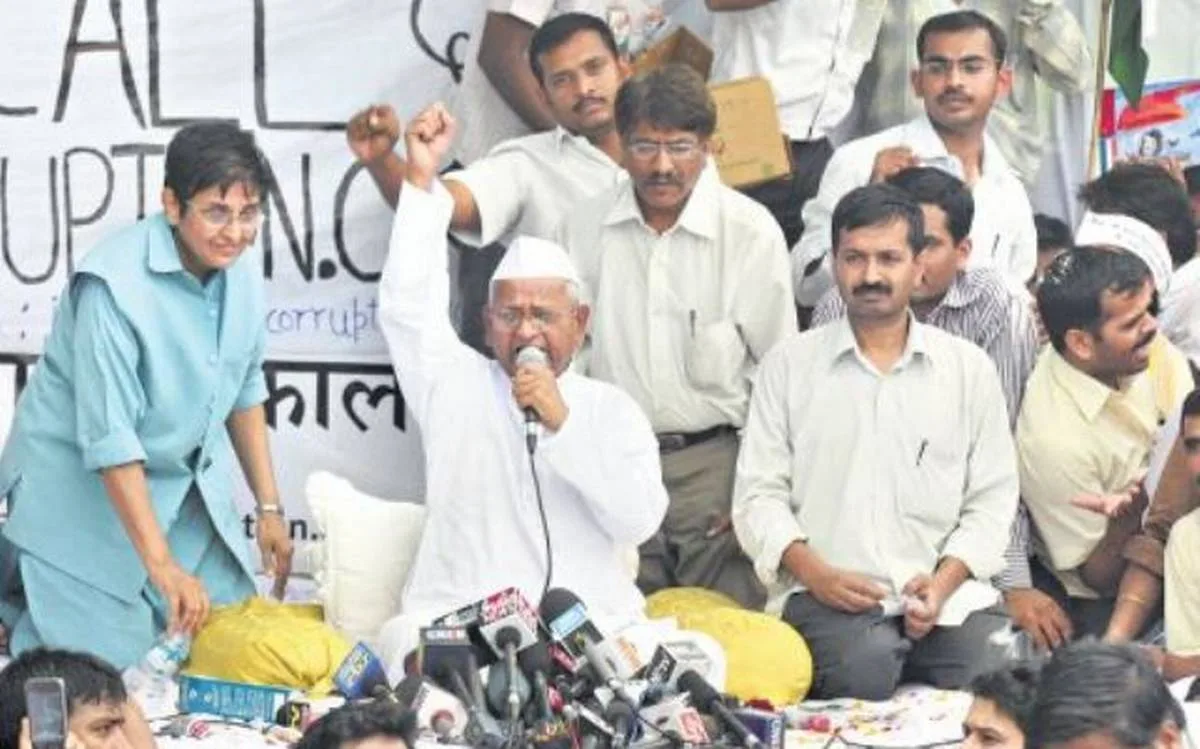
Protests are not a new thing to Delhi. For many years, the city has witnessed demonstrations by students, workers, farmers, women, political parties and social activists. Jantar Mantar became one of the most recognised places for people to gather and express their concerns. In 2011, social activist Anna Hazare began a hunger strike at Jantar Mantar as part of the movement demanding a strong Lokpal law to fight corruption. The protest caught people’s attention across the country and showed how people coming together to raise their voices could make an issue impossible to ignore.
Over the years, people have gathered at the spot to protest over many issues like jobs, education, women’s safety, farmers’ rights and government policies. These protests have shown that democracy is not just about voting in elections, it means also having the freedom to question the government, speak up against injustice and demand for change peacefully. However, protests can also cause problems for commuters, local shopkeepers and residents. The administration must find a way to manage these problems while allowing people to raise their voices peacefully. Over the past five years, India has seen several major protests over farmers’ rights, jobs, women’s safety and government policies.
One of the biggest was the farmers’ protest of 2020–2021, when thousands of farmers camped at Delhi’s borders to oppose three farm laws. They feared the laws could affect their income and the Minimum Support Price (MSP) system. After months of protests, the government repealed the three laws in November 2021. In June 2022, protests erupted in several states against the Agnipath military recruitment scheme, with young people raising concerns about its four-year service period and future job security.
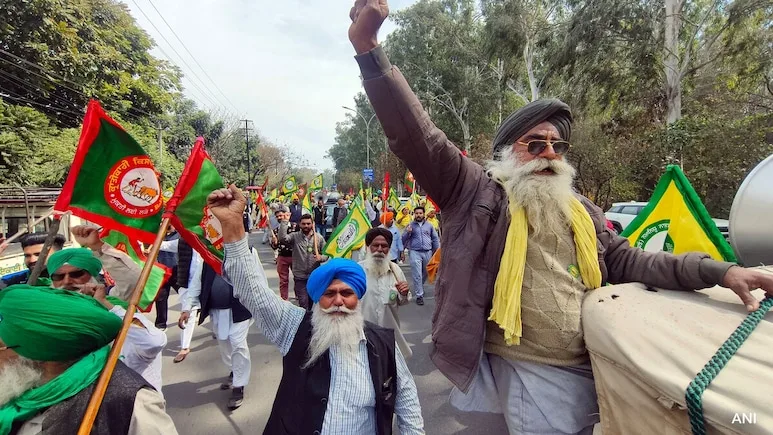
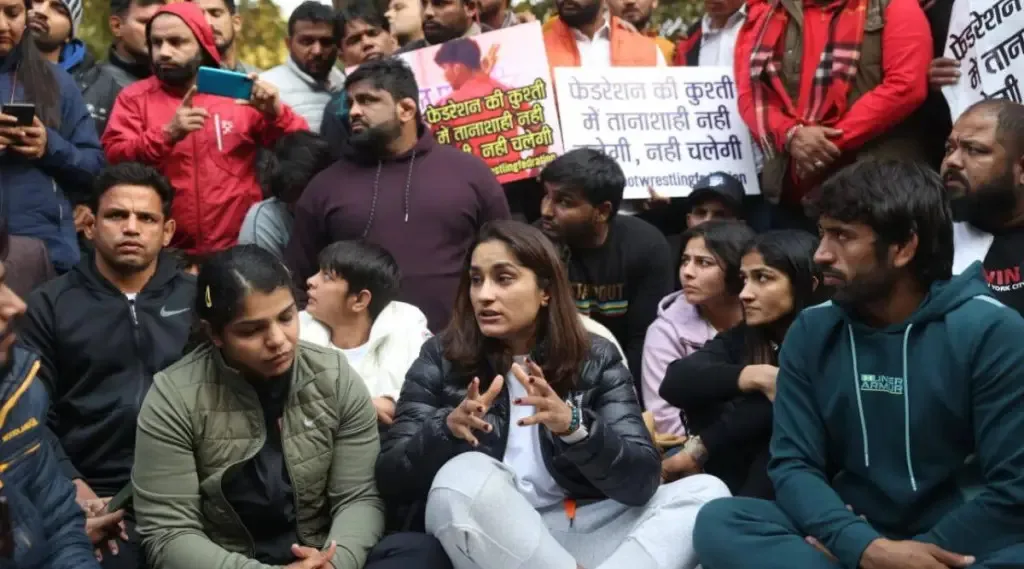
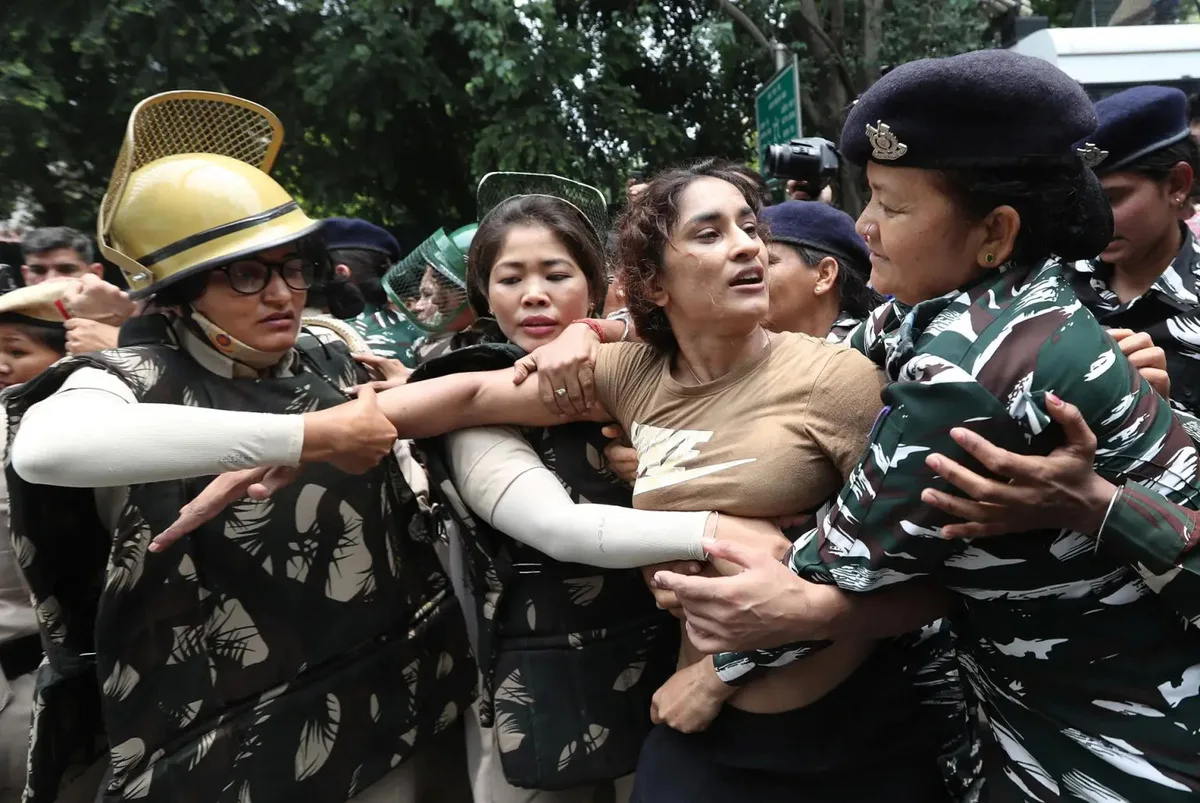
In 2023, Indian wrestlers, including Vinesh Phogat, Sakshi Malik and Bajrang Punia, protested at Delhi’s Jantar Mantar, demanding action over allegations of sexual harassment against former Wrestling Federation of India chief Brij Bhushan Sharan Singh. In 2024, farmers returned to the streets, demanding a legal guarantee for MSP and other benefits. That year, the rape and murder of a trainee doctor in Kolkata sparked nationwide demonstrations demanding justice and better protection for women.
Protests over jobs, exam irregularities, rising living costs and regional rights also continued across the country. Together, these movements showed how citizens use public demonstrations to demand accountability, justice and change. Although not every protest achieves its goals, such movements remain an important part of India’s democracy.
Why Is the CJP Protesting?
The current CJP-led protest is demanding the resignation of Gyanesh Kumar over alleged irregularities in the Special Intensive Revision (SIR) of voter lists. Reports say that more than 130 million names have been removed from the lists, raising concerns about whether eligible voters could be unfairly excluded. Critics are in fear the process may affect certain groups or influence election results later.
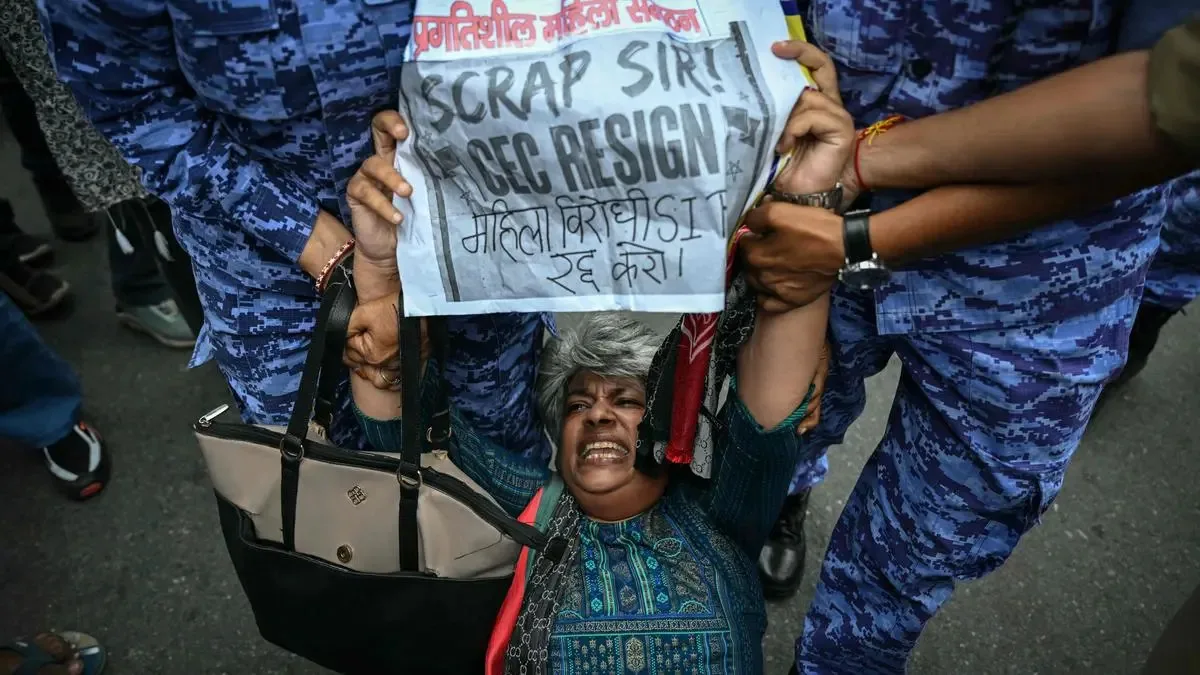
However, the Election Commission has denied allegations of political bias, saying the revision aims to remove duplicate and ineligible entries. It has also said that people whose names were wrongly removed can apply to have them added again. These concerns need to be examined carefully. Voter lists must be accurate, but eligible citizens should not lose their right to vote because of errors. Every voter must have a fair chance to check their details, correct mistakes and raise objections through a clear and simple process. When public confidence in an election process is questioned, clear explanations are essential.
Who Is Funding These Protests?
Questions are also being raised by the people, about who is organising and funding these protests. When demonstrations take place without proper permission, people may question whether they are being organised legally and who is supporting them behind the scenes. During some student protests, reports and social media posts have also shown food being provided to protesters, including pizza, burgers and tea. Such details can raise curiosity about the source of this support, but they do not prove that a political party is sponsoring the protest.
Is Protesting Illegal?
If you look closely, protesting is not illegal in a democracy; it is a fundamental right. However, protests must follow the law and maintain public order. When demonstrations involve violence, property damage or unlawful activities, authorities can take legal action against those responsible.
From Jantar Mantar to Central Park: The Protest Takes a New Turn
The controversy took a new turn on October 12, when Jantar Mantar was removed from the list of approved protest sites. Authorities suggested Ramlila Ground, Burari Ground and CBD Ground in Shahdara as alternative locations. The decision came as CJP and other groups planned protests against the voter-list revision. It has raised concerns among those who consider Jantar Mantar an important place for public protests. For years, people have gathered there to raise their voices and bring their concerns to the attention of those in power.
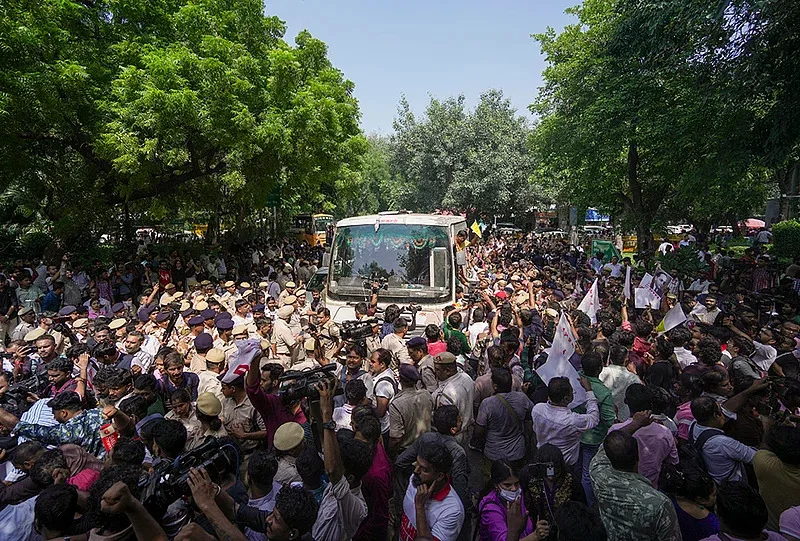
After CJP members Saurav Das and Ashutosh Ranka were detained during a protest and sent to five days of judicial custody, Abhijeet Dipke announced another flag march at Central Park in Connaught Place on October 16. The planned march led to tight security arrangements, with reports saying that more than 6,000 police personnel and additional Central Armed Police Forces personnel would be deployed. Central Park was also scheduled to remain closed to the public on October 16 and 17.
The police said the march was not allowed because of restrictions on public gatherings and the lack of permission. However, the protesters questioned why they were being stopped from holding their demonstration. Both sides have a role to play. The police must maintain peace and public safety, while protesters should follow the law and avoid violence or damage to public property. At the same time, restrictions must be reasonable, properly explained and open to legal review.