
 Snehashish roy
The uneasy, often performative hostility between celebrities and paparazzi has become one of popular culture’s most enduring contradictions. Public outbursts against photographers are routinely followed by carefully staged airport looks, gym sightings and festival appearances that somehow never escape the same cameras. recently cut through this hypocrisy when she responded to ’s criticism of paparazzi culture by pointing out an uncomfortable truth: celebrities themselves often call photographers when they want to be seen. Her remark did not just defend photographers; it exposed how visibility in the age of social media is rarely accidental.
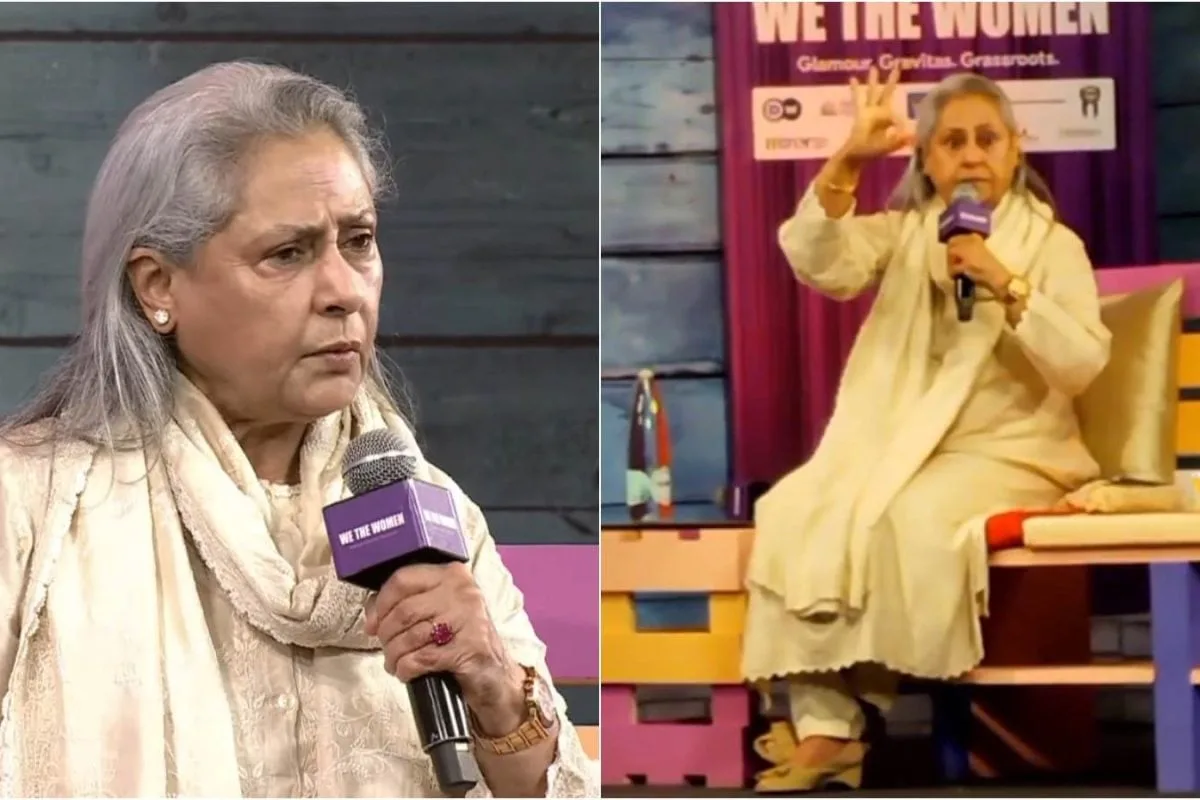
At the heart of this debate lies a simple fact that the industry hesitates to acknowledge openly. Paparazzi are not parasites feeding on celebrity relevance; they are active participants in manufacturing it. In an era where films, endorsements and brand equity depend on constant public recall, being photographed outside scripted promotional cycles keeps stars alive in the cultural bloodstream. The casual coffee run, the airport departure, the “no-makeup” candid are no longer intrusions but extensions of publicity, disguised as spontaneity. For emerging actors especially, paparazzi attention functions as a validation loop: being photographed signals importance, relevance and marketability.
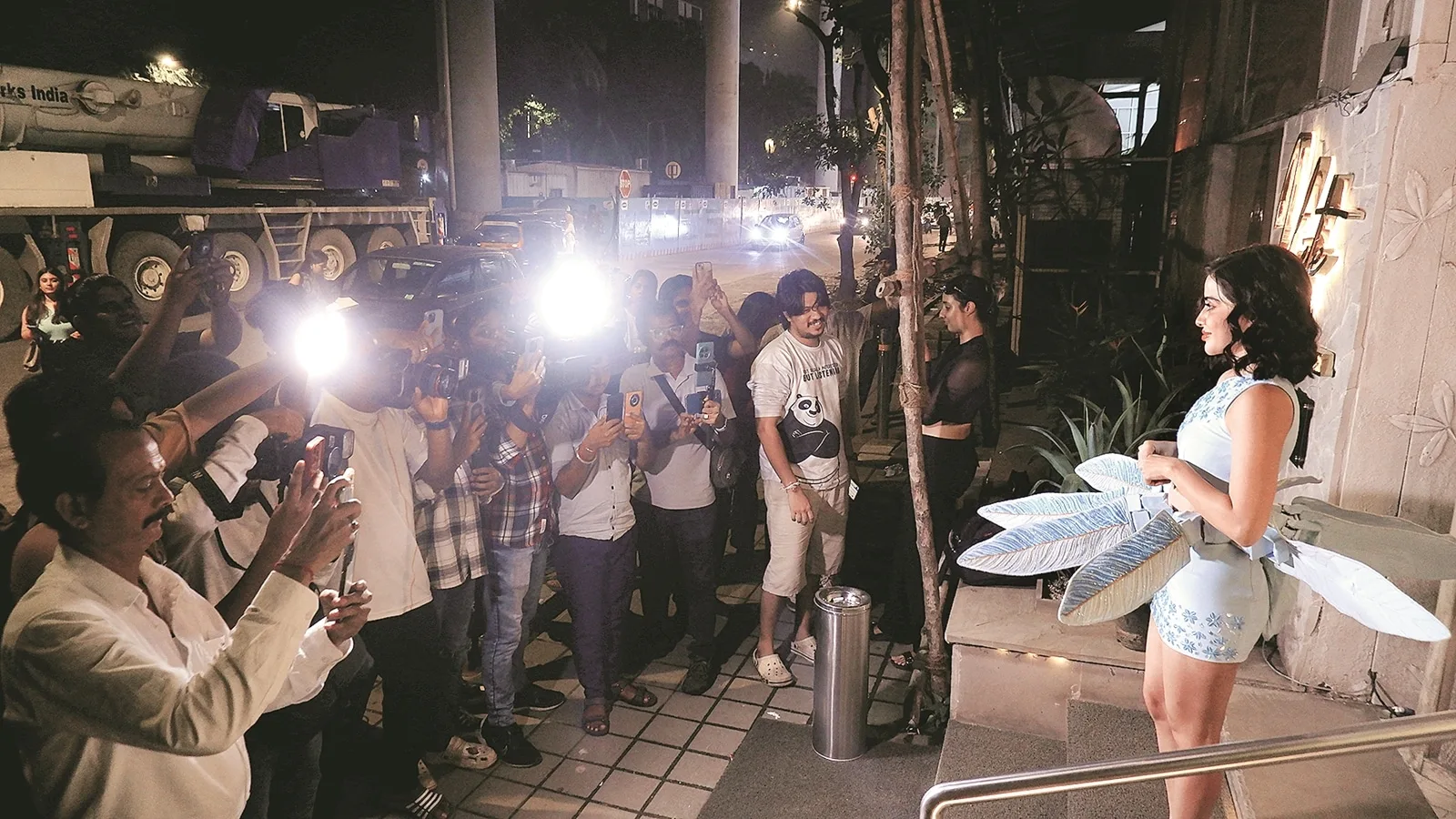
This is why the relationship oscillates between outrage and cooperation. Celebrities benefit from visibility without having to openly claim responsibility for curating it. Publicly criticising paparazzi preserves moral high ground, while privately leveraging their presence sustains relevance. The contradiction is not accidental; it is strategic. It allows stars to enjoy attention while disowning its machinery, presenting themselves as unwilling subjects of fame rather than its architects.
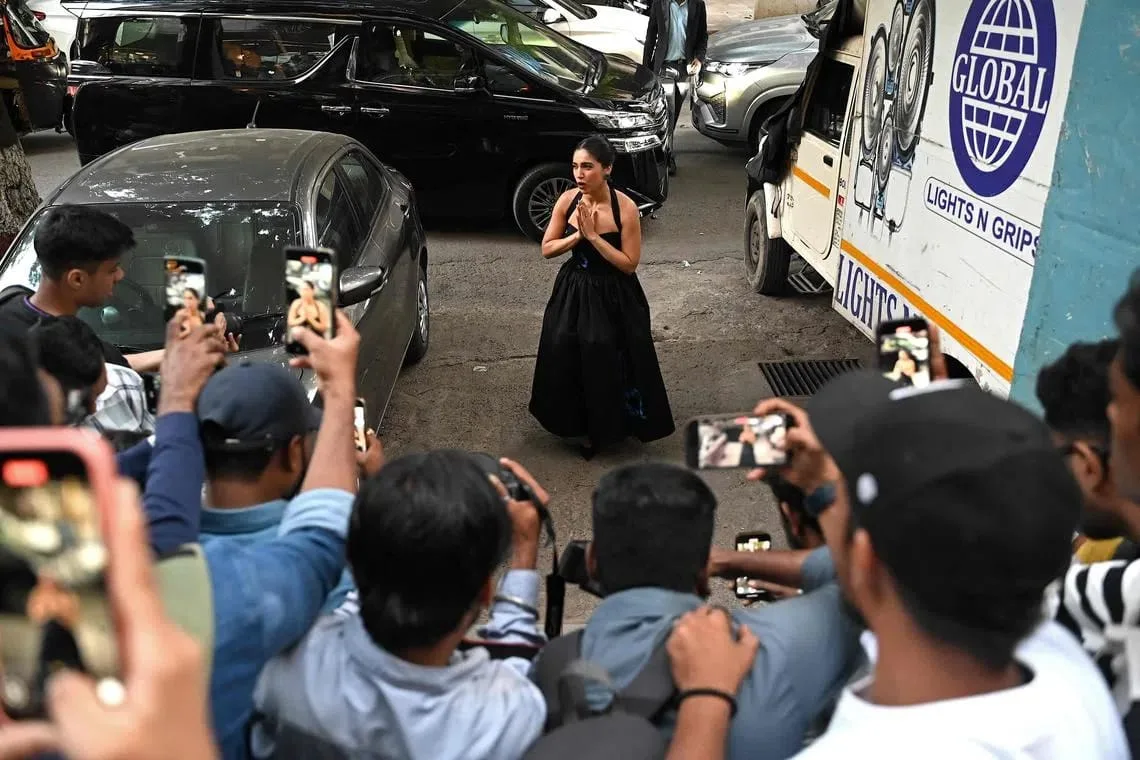
However, this does not absolve paparazzi of responsibility. The power dynamic, though symbiotic, is unequal when it comes to privacy and consent. Photographers often operate in a hyper-competitive ecosystem driven by speed, exclusivity and virality. In this race, ethical boundaries can blur. Following children, ambushing celebrities during moments of grief, illness or vulnerability, and provoking reactions for sensational footage are practices that deserve criticism. Public figures trade some privacy for influence, but not all dignity is for sale. The line between documentation and harassment is real and must be respected.
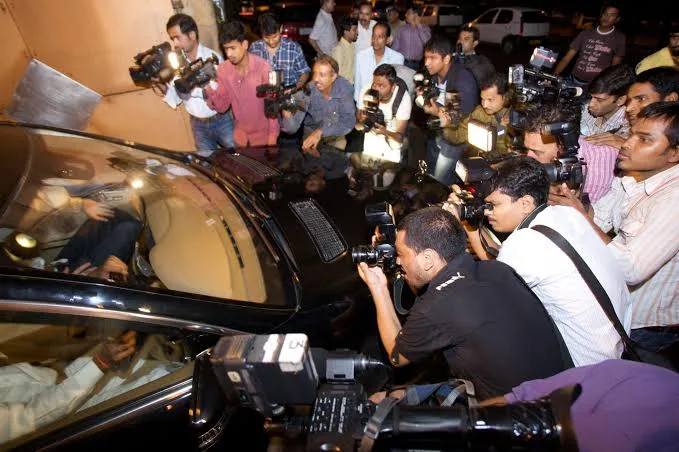
What complicates the issue further is the role of audiences. Paparazzi culture survives not merely because photographers chase celebrities, but because viewers reward the chase. Every click, share and comment reinforces demand. The moral outrage against intrusive photography often coexists with its enthusiastic consumption. This collective hypocrisy sustains a system where visibility is currency and attention is profit.
The celebrity–paparazzi relationship, therefore, is not a battle but a contract. One side supplies access, sometimes overtly, sometimes subtly. The other supplies amplification. When either side pretends otherwise, the debate becomes dishonest. Transparency, rather than denial, is the missing element. Acknowledging mutual dependence would allow clearer norms to emerge: when access is invited, coverage is fair game; when it is not, restraint must apply.
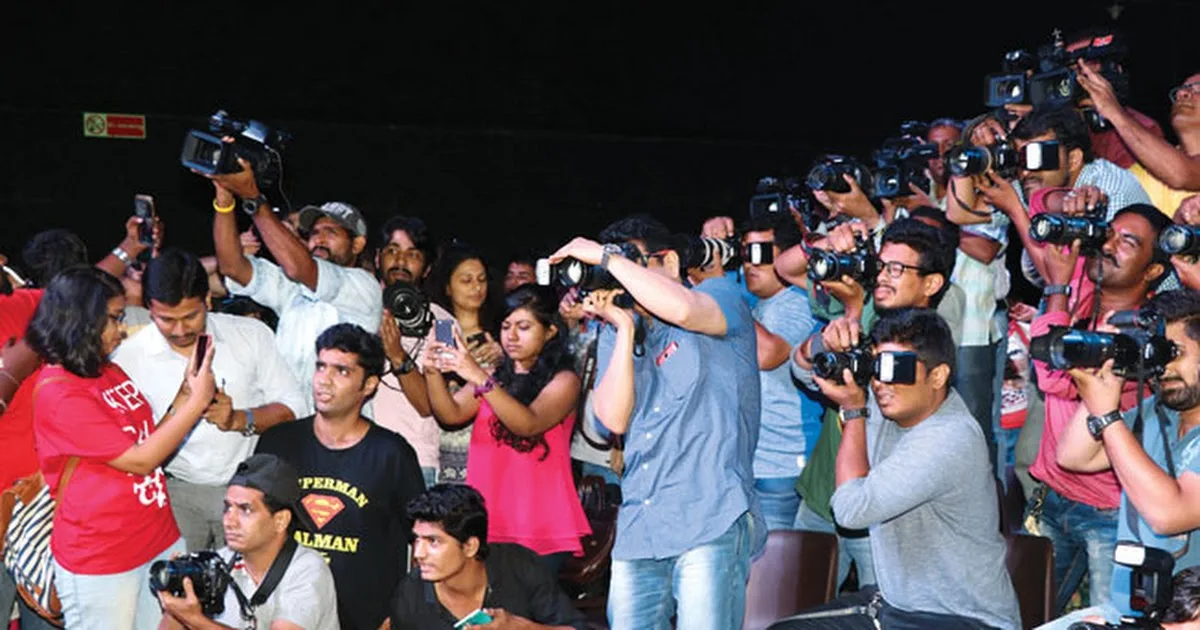
If this ecosystem is to evolve, responsibility must be shared. Celebrities must stop performing selective outrage while benefiting from constant exposure. Paparazzi must draw ethical red lines and respect moments that are not meant for public consumption. And audiences must interrogate their own appetite for voyeurism disguised as curiosity.
The truth is simple yet inconvenient. Stardom in the digital age does not survive on talent alone; it survives on visibility. Paparazzi are not outsiders disrupting this system; they are woven into its fabric. To pretend otherwise is to misunderstand how fame works today. The real question is no longer whether paparazzi should exist, but whether all players in this ecosystem are willing to be honest about the roles they already play.