
 Snehashish roy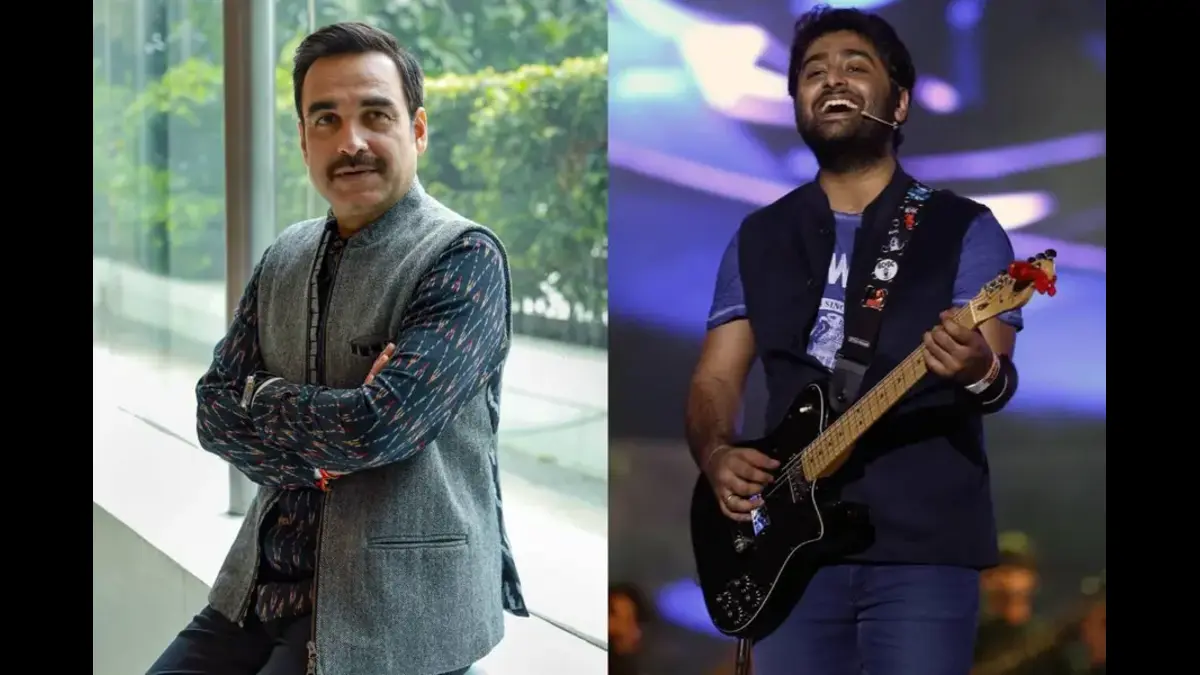
Actor Pankaj Tripathi has come out in support of singer Arijit Singh’s decision to step away from playback singing, describing the move as a reminder that artists should not be treated like factory-made products. The actor’s comments come at a time when the music industry continues to debate creative autonomy, commercial pressure, and the changing nature of Bollywood’s playback ecosystem.
Speaking about Arijit’s decision, Tripathi emphasised that artists must be allowed to follow their instincts without being confined by industry expectations or constant output demands. “We are artists, not factory products,” he said, highlighting that creativity cannot be forced or measured through a standardised system. According to him, the value of an artist lies in authenticity and emotional connection rather than the frequency of releases or commercial targets.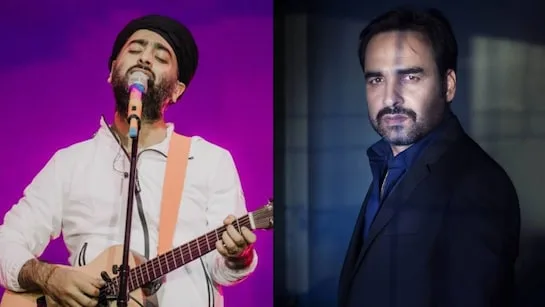
Arijit Singh recently made headlines after announcing that he would step away from playback singing assignments, a decision that sparked widespread reactions across the industry. While fans expressed shock and disappointment, many within the film fraternity acknowledged the pressures faced by musicians working within mainstream cinema. The singer clarified that he was not distancing himself from music entirely but rather reconsidering his involvement in the film playback system.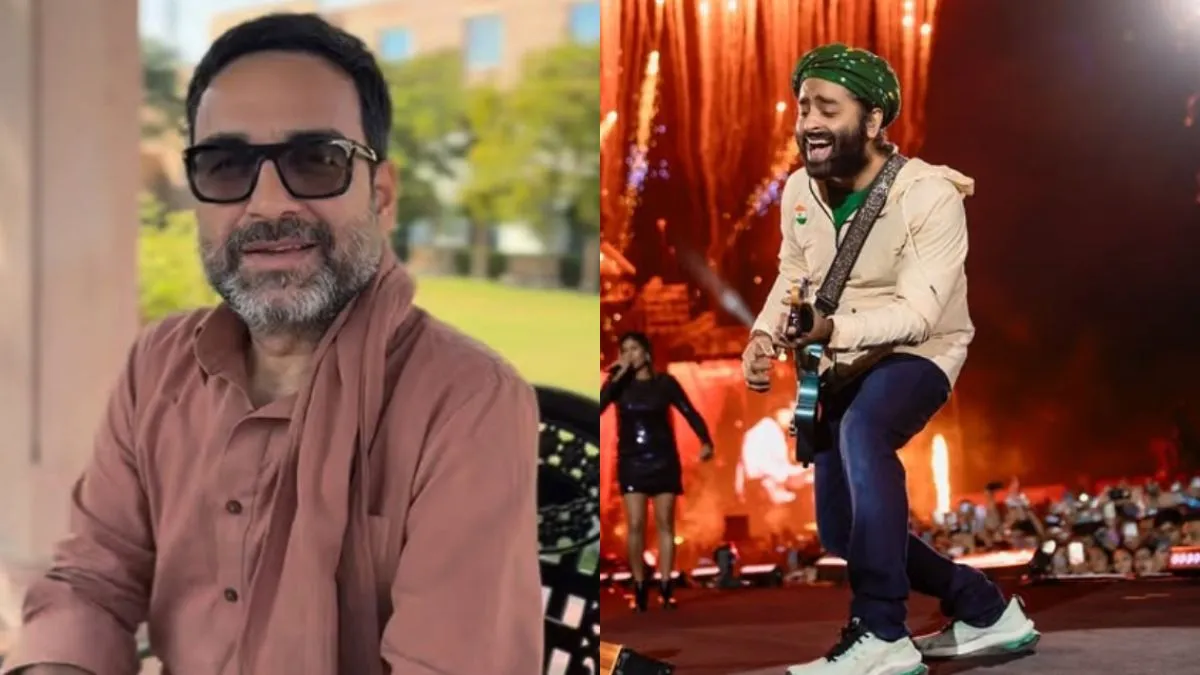
Tripathi’s remarks reflected a broader conversation around artistic freedom. He noted that audiences often see only the final product without understanding the emotional and professional challenges behind it. For actors and singers alike, balancing personal expression with commercial expectations can become increasingly difficult, especially when success brings additional scrutiny and pressure to constantly deliver.
The actor also pointed out that creative industries frequently demand consistency in output, sometimes at the cost of individuality. He suggested that stepping away from a format that no longer aligns with an artist’s vision should not be viewed as a setback but as an exercise of agency. According to him, artists should feel empowered to redefine their paths instead of adhering to predefined career trajectories.
Arijit Singh’s move has reignited discussions about the evolving landscape of Bollywood music. Over the years, playback singing has transformed significantly, with digital platforms and independent releases offering musicians alternative routes outside traditional film projects. Industry observers believe that such shifts may encourage more artists to explore independent music, collaborations, or personal creative ventures.
Tripathi’s support underscores the growing awareness within Bollywood about mental well-being and creative autonomy. Many performers have begun speaking openly about burnout, professional pressures, and the need to protect artistic identity in a rapidly changing entertainment ecosystem.
While fans continue to debate what Arijit Singh’s decision means for the future of film music, Tripathi’s comments highlight a larger issue facing the industry. The conversation is no longer just about one singer stepping back, but about how the system treats creative professionals and whether the demands placed on them leave enough room for personal evolution.
For now, Arijit’s decision remains a significant moment in Bollywood’s musical landscape, prompting reflection among both audiences and industry insiders about the relationship between art, commerce, and creative freedom.