
 Our Correspondent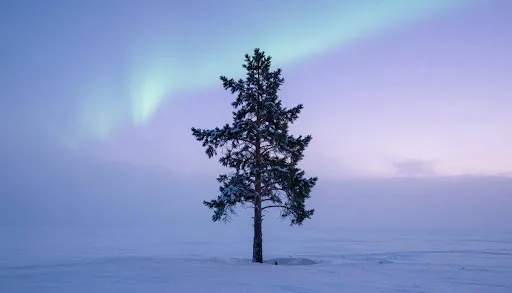
Picture this: snow-covered pines stretch across a quiet landscape, a simple wooden home glows with soft light inside. People there seem content, even in the cold. That’s the pull of Nordic spirit It draws folks from all over the world, chasing that calm vibe. Sure, you’ve heard of hygge – that Danish coziness. But Nordic spirit goes deeper. It mixes smart design, strong communities, and a real bond with nature. Nordic countries like Denmark, Sweden, Norway, and Finland top the World Happiness Report year after year. In 2025, Finland held the number one spot for the eighth straight time. This article breaks down what makes this way of life work. You’ll see how it boosts joy and balance in daily routines.
Pillar 1: Design Philosophy—Form Meets Uncompromising Function
Nordic design shapes homes and lives with clean lines and smart choices. It started in the mid-20th century, but its roots go back further. Think of it as a style that puts real use first, not just looks. Brands like IKEA spread this idea worldwide. They make furniture that’s easy to build and lasts. This approach influences modern minimalism everywhere.
Minimalism and Practicality in Everyday Life
Less stuff means more peace. Nordic homes skip clutter for open spaces. A simple wooden table or shelf does double duty – it holds books and sparks talks at dinner. This cuts down on buying new things all the time. It clears your mind too. Imagine a kitchen with just what you need: pots that stack neat, chairs that tuck under. No wasted space. Folks report less stress in such setups. Studies show minimal spaces help focus better.
- Start small: Pick one room to declutter.
- Choose multi-use items, like a bench that stores blankets.
- Aim for quality over quantity to save cash long-term.
The Role of Natural Materials and Light
Wood like birch and pine warms up rooms without fuss. Wool throws and linen curtains add soft touch. These choices fight the dark winters, which last month’s up north. Light bounces off white walls and shiny floors. It makes small spots feel big. Nordic designers love big windows to let in every ray.

Try this at home: Layer lights with floor lamps, table ones, and candles. Soft glow beats harsh bulbs. Place them at different heights for even coverage. This trick mimics the natural shift from day to dusk. Your space will feel alive and calm.
Sustainability Embedded in Aesthetics
Nordic style builds for the long haul. Pieces get repaired, not tossed. They source wood from managed forests. This fits the circular economy – reuse, recycle, repeat. Take Marimekko fabrics: bold prints on sturdy cloth that endures washes. No fast fashion here. Governments push green rules, so design follows suit. It cuts waste and saves resources.
Pillar 2: Social Fabric and Trust—The Foundation of Nordic Society
What holds Nordic life together? Strong ties between people. Trust runs deep in families, neighborhoods, and even with leaders. This social web makes daily life smooth. Crime stays low, and folks help each other without question. It’s not perfect, but it works.
High Social Trust and Low Corruption
People in Nordic lands believe in each other. You can leave your bike unlocked in Oslo. Institutions earn that faith too. On the 2024 Corruption Perceptions Index by Transparency International, Denmark ranked second, Finland third, and Sweden sixth globally. Low graft means fair play. Taxes fund schools and health care well. Everyone benefits.
The Concept of Janteloven (The Law of Jante)
Janteloven comes from a 1933 book by Aksel Sandemose. It’s like an unspoken code: don’t think you’re better than others. It pushes equality. No one boasts about success. This builds teams at work and home. Sure, it might hold back big dreamers. But it cuts envy and boosts sharing. Sociologist Gøsta Esping-Andersen notes how it shapes welfare states. Workplaces value group wins over solo stars.
Think of a office meeting: ideas flow free because no one hogs the spotlight. It feels fair.
Work-Life Balance as a Societal Mandate
Nordics clock fewer hours yet get more done. Sweden offers 480 days of paid parental leave per family. Norway caps the workweek at 37.5 hours. This leaves time for family and fun. Stress drops, and happiness rises. A 2023 study by the OECD links short workdays to better health. Dads take leave too – it strengthens bonds. You come home fresh, not drained.
Pillar 3: The Nature Imperative—Friluftsliv and Seasonal Living
Nature calls loud in the North. It’s not a hobby; it’s a must. Forests, lakes, and fjords surround daily paths. This tie keeps folks grounded. Even city dwellers head out often. It fights cabin fever in tough weather.
Defining Friluftsliv (Open-Air Living)
Friluftsliv means free-air life in Norwegian. It’s about being outside for body and soul. Rain or shine, people hike or ski. Kids learn it early. It builds grit and joy. Mental health pros say it lowers anxiety. No gym needed – just fresh air.
In schools like those in Bergen, classes move outdoors weekly. Students explore woods for science lessons. This habit sticks for life.
Adapting to Extremes: Seasonal Living
Summer brings endless light – the midnight sun. Folks garden, bike, and picnic late. Energy peaks. Winter flips it: short days mean cozy nights by fire. Reading, crafting fill time. They accept the rhythm, not fight it. Psychologists call this seasonal adaptation key to calm. It teaches patience.
Access Rights: Allemansrätten
Allemansrätten lets anyone roam wild lands. Pick berries, camp short-term – just leave no trace. Sweden, Norway, and Finland share this rule. It fosters care for nature. Families teach kids to respect trails. Daily walks become easy. This right boosts outdoor time without ownership hassles.
Pillar 4: Culinary Simplicity and Health
Food in Nordic style keeps it real. Fresh picks from land and sea fuel the body. No frills, just pure taste. This ties to health and seasons. Meals bring people close too.
New Nordic Cuisine: Localism and Purity
The New Nordic movement kicked off in 2004. Chefs like René Redzepi at Noma spotlight wild foods. Think foraged mushrooms, Arctic char, cloudberries. It skips heavy sauces for natural flavors. Restaurants earn stars for this fresh take. Home cooks follow: simple salads with local greens. It cuts food miles and boosts nutrition.
Fermentation and Preservation Techniques
Long winters demand smart storage. Pickling herring or curing salmon started as survival. Now, it’s gut-health gold. Ferments like sauerkraut aid digestion. Families pass recipes down. Modern twists add probiotics to diets. A jar of pickled beets lasts months, adding zing to meals.
- Try fermenting: Mix cabbage with salt, wait a week.
- Cure fish: Salt and smoke for flavor that keeps.
- Use roots: Beets and carrots store well in cool spots.
Actionable Health Tip: The Daily Walk
Walk like a Nordic. Step out 20 minutes each day. It clears your head and strengthens legs. Tie it to errands or lunch breaks. Fresh air amps energy. Over time, it trims stress and adds years. Make it a habit – your body will thank you.
Conclusion: Synthesizing the Nordic Spirit for a Global Audience
Nordic spirit weaves design, trust, and nature into a joyful life. It’s no fad; it’s a proven path. Key takeaway one: Let design focus on use and lasting value. It simplifies your world. Takeaway two: Build communities that put group good first. Trust grows from there. Takeaway three: Link to nature daily. It grounds you in the now.
Adopt bits of this ethos wherever you live. Start with a walk or a clutter-free corner. Small changes spark big shifts. You’ll find more calm and content in your days. Why not try? Your happier self waits.