
 Himshikha Shukla
Inside a busy lifestyle magazine desk, visual turnaround splits into two speeds. Pairing Seedream and Nano Banana on ToImage.ai lets editors draft concepts fast while protecting lead-feature realism.
Editorial teams covering fashion, beauty, home styling, and entertainment rarely have the luxury of treating every story like a month-long studio shoot. A festive lookbook feature needs rich fabric drape and believable skin lighting.
Meanwhile, a daily beauty trend roundup simply needs three clean visual directions for an editorial moodboard before the afternoon pitch meeting. Running one model for both jobs either slows down brainstorming or leaves flagship stories looking flat.
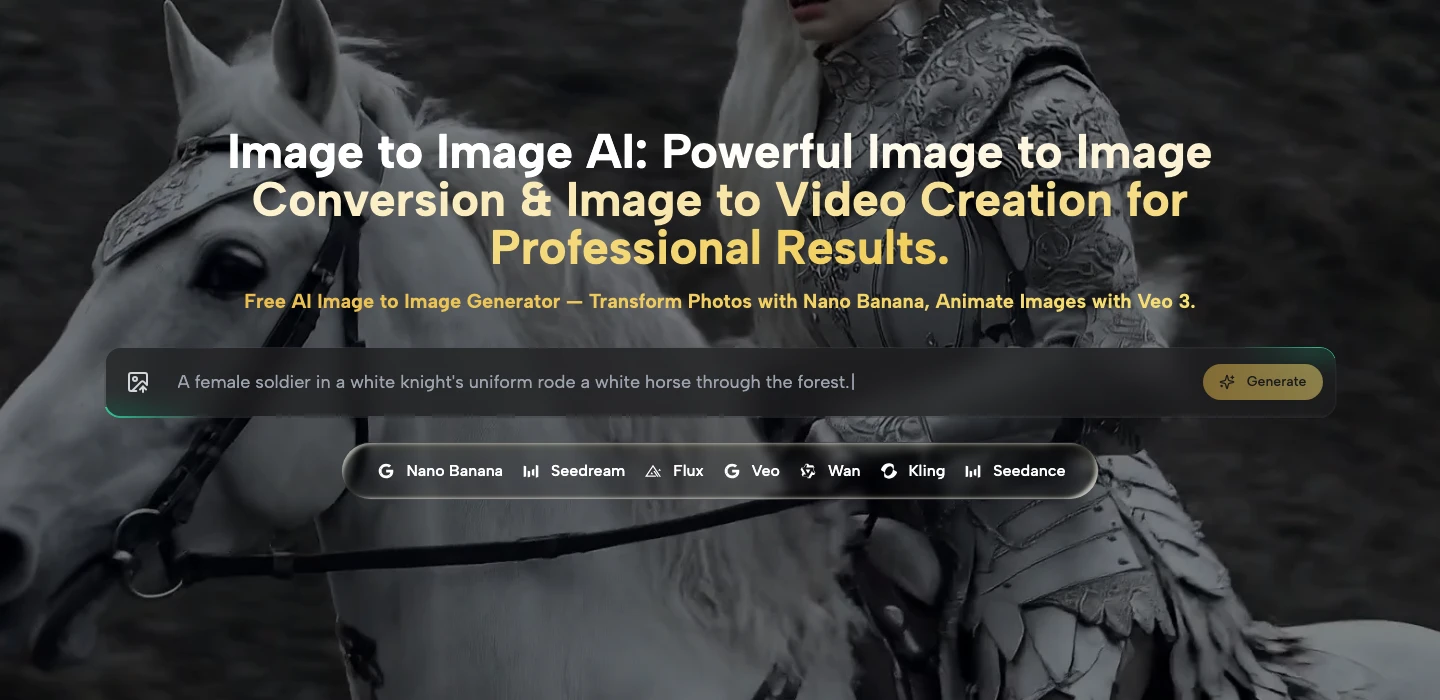
Splitting Fast Volume Drafts From Reference-Locked Finals
Magazine production operates on a two-tier visual calendar. At the pitch and layout stage, art editors test multiple angles—comparing jewel-toned silk palettes against minimalist linen settings, or deciding whether a magazine spread proof works better with warm evening lighting or crisp daylight. Volume matters most here because four out of five rough ideas get cut before copy lock.
Once a cover story, beauty guide, or festive lookbook feature clears editorial approval, the priorities flip completely. The final visual has to hold up beside real photography, maintain consistent garment silhouettes across multiple callout frames, and avoid synthetic plastic textures that readers spot immediately on retina screens. Trying to force a single workflow to serve both rapid ideation and reference-led finishing creates unnecessary bottlenecks.
ToImage AI keeps both halves of that pipeline inside one browser workspace. Instead of juggling separate subscriptions for fast concepting and high-fidelity finishing, editors can run Seedream and Nano Banana side by side under one credit pool.
Evaluating Editorial Models Beyond First-Glance Polish
Choosing between still generators for a lifestyle publication comes down to four operational criteria rather than abstract benchmark scores. First is iteration speed during concepting: how quickly an editor can explore lighting, color harmony, and prop placement for an editorial moodboard without losing momentum. Second is reference fidelity—whether the model can hold a specific outfit silhouette, jewelry piece, or interior palette steady across a multi-image feature.
Third is output readiness for commercial publishing. Digital magazines and sponsored lifestyle guides require clean exports with no watermark and clear commercial licensing so visuals can run across web articles, newsletters, and social carousels without legal friction. Fourth is predictable credit economics, allowing managing editors to forecast how many drafts a monthly content calendar actually consumes.
Where Fast Concepting Saves Real Desk Hours
When a fashion or decor editor pitches five seasonal themes in a single editorial meeting, waiting for heavy reference passes on ideas that may never be commissioned wastes both time and budget. Fast still generation shines when the goal is validating composition—checking whether a centerpiece arrangement leaves room for a vertical headline or whether a pastel backdrop clashes with bold editorial typography.
Where Reference-Led Realism Protects Brand Tone
Lead features and recurring lifestyle columns live or die on texture credibility. Silk folds, ceramic glaze, natural hair highlights, and consistent facial proportions across a three-frame story require a model tuned for photographic restraint rather than stylized flourish. When a magazine publishes a step-by-step styling story, readers expect the subject in Frame 3 to match Frame 1 rather than morphing into a different look.
Direct Comparison Between Seedream And Nano Banana
On ToImage AI, Seedream and Nano Banana are positioned for distinct editorial jobs rather than acting as interchangeable names for the same pass. Seedream is built as the fast image path for volume, ideal when a lifestyle team needs rapid layout options, background explorations, or quick companion stills for daily articles. Nano Banana is positioned for reference-led realism, accepting up to four reference images so a garment, product, or character stays cohesive across a full editorial set.
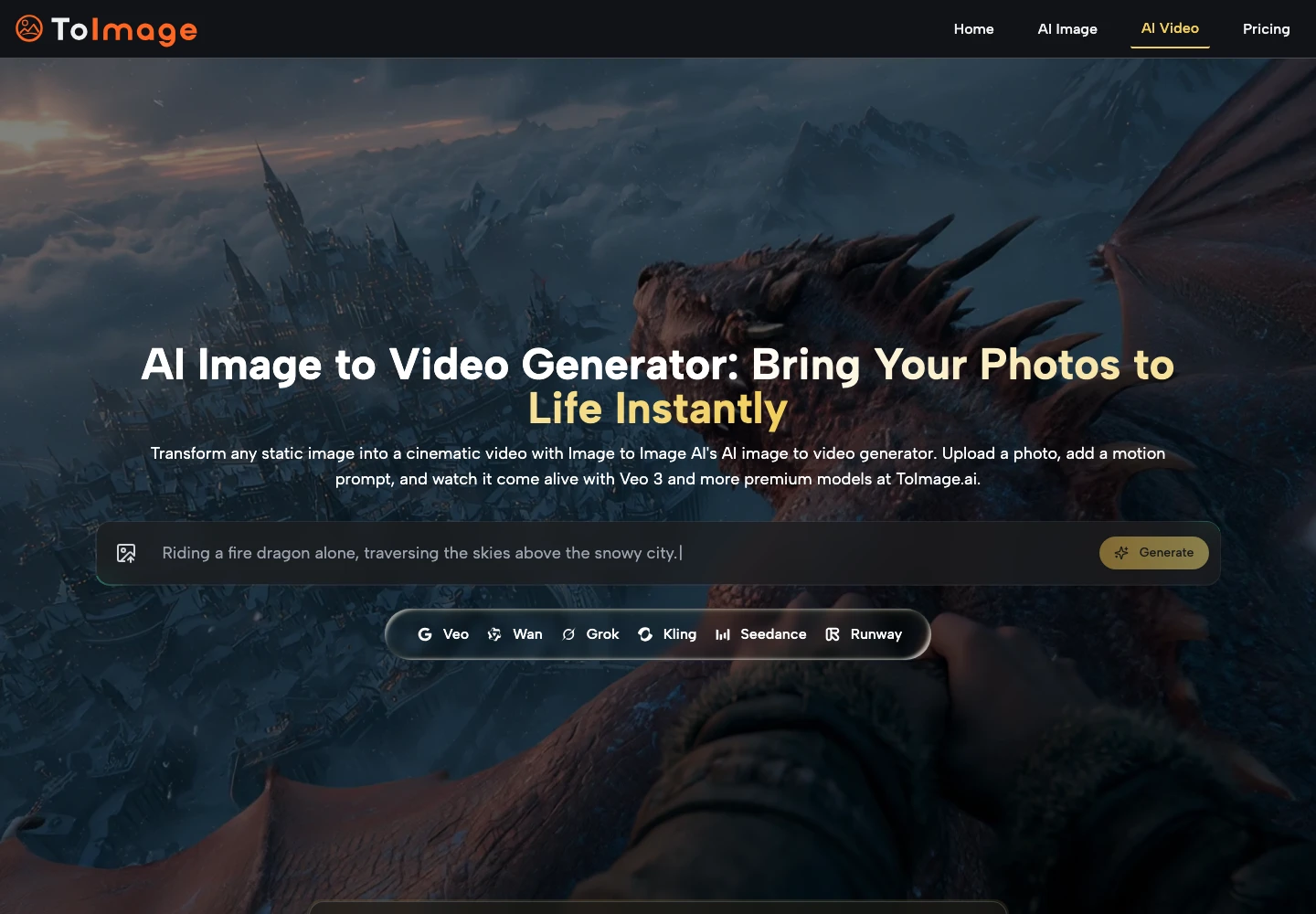
Running a structured model comparison for editorial visuals makes the split clear at a glance. Editors can also step up to Nano Banana 2 when a feature needs up to four variations per request or explicit 1K, 2K, or 4K resolution control for high-DPI web spreads.
| Editorial Dimension | Seedream (4.0) | Nano Banana / Nano Banana 2 |
| Primary strength | Fast image path built for volume and quick ideation | Reference-led realism and cross-frame consistency |
| Best magazine use case | Moodboards, daily trend stills, rapid background trials | Festive lookbook features, recurring style columns, hero spreads |
| Reference and batch control | Streamlined single-pass speed for exploring directions | Up to 4 reference images (Nano Banana); up to 4 outputs & 1K/2K/4K (Nano Banana 2) |
| Base plan credit rate | 30 credits (Seedream 4.0) | 30 credits (Nano Banana) / 40 credits (Nano Banana 2) |
Looking at the credit table reveals an important workflow insight: Seedream 4.0 and base Nano Banana both sit at 30 credits on the standard plan table, while Nano Banana 2 sits at 40 credits. Because the entry credit cost matches, the choice is driven by production rhythm rather than raw price—use Seedream when velocity and quick visual breadth come first, and switch to Nano Banana or Nano Banana 2 when reference consistency and multi-resolution finishing take priority.
Planning Monthly Editorial Credit Budgets Without Waste
Transparent credit math helps small lifestyle publications and independent magazine teams control monthly spend before peak seasonal issues hit. On ToImage AI, teams can start with free use to test prompts on real story concepts, then move to a paid plan that unlocks No Watermark downloads and a commercial license. The Starter plan is listed at $29.99 per month for 2,500 credits, or $8.3 per month when billed yearly, with yearly columns also showing lower per-generation credit numbers.
Breaking down 2,500 monthly credits against a realistic publishing schedule shows how much runway a small desk actually gets. At 30 credits per pass for Seedream 4.0 or base Nano Banana, a single Starter allocation covers roughly 83 still generations a month—enough to explore concepts for fifteen to twenty lifestyle articles and still leave room for hero polish. If the art team upgrades key spreads to Nano Banana 2 at 40 credits per multi-image request, twenty flagship feature runs consume 800 credits, leaving 1,700 credits for daily Seedream stills or occasional Veo 3 video teasers at 100 credits each.
Matching Model Selection To Story Tier
The easiest way to stretch 2,500 credits across an entire month is tying model choice directly to the editorial calendar. Assign Seedream to daily lifestyle roundups, recipe backdrops, and pitch moodboards where two quick passes settle the visual direction. Reserve Nano Banana and Nano Banana 2 for flagship weekend features, recurring fashion guides, and magazine spread proofs where multi-reference continuity and 2K or 4K sharpness justify the extra attention.
How Hybrid Magazine Workflows Combine Stills And Motion
Modern lifestyle desks rarely publish stills in isolation. A festive fashion story that opens as a magazine spread proof often needs a matching vertical social teaser the same afternoon. Because ToImage AI combines Image to Image, Text to Image, Image to Video, and Text to Video in one workspace, an editor can finalize a realistic still with Nano Banana and immediately move into the AI Video tab—choosing Veo, Wan, Grok, Kling, Seedance, or Runway—to animate subtle fabric movement or ambient lighting for social promotion.
Keeping both still engines and video models under one login also prevents style fragmentation across freelancers. A beauty editor drafting a quick Seedream visual and a senior designer locking a four-reference Nano Banana lookbook work from the exact same interface, credit pool, and commercial export terms. That shared setup eliminates the friction of transferring assets across three disconnected platforms just to publish one weekend package.
Where AI Visuals Still Have Clear Editorial Limits
Generated stills cannot replace real celebrity event photography, verified designer runway coverage, or exact clinical before-and-after beauty proof. Magazine editors should treat Seedream and Nano Banana as creative illustration and concepting tools, never as substitutes for documented journalism. Keep exact brand logos, fine print credits, and real product photography handled by your editorial photo desk whenever factual accuracy is the story.
Matching The Right Model To Every Editorial Deadline
A strong lifestyle publication balances daily publishing velocity with memorable flagship art. Seedream gives editors the fast, high-volume lane needed to test moodboards and illustrate everyday stories on deadline, while Nano Banana and Nano Banana 2 deliver the reference-led realism, multi-image selection, and 1K–4K clarity that cover-level features demand.
Running both inside ToImage AI turns model selection into a calm, repeatable habit rather than a tooling headache. Draft fast with Seedream, lock multi-frame consistency with Nano Banana, and keep your monthly credit budget aligned with the stories that matter most to readers.