
 Snehashish roy
Actor-politician Kangana Ranaut has criticised what she describes as a deeply patriarchal mindset in Himachal Pradesh, claiming that the preference for male children remains particularly strong in the state. The BJP MP, who hails from Mandi district, said the attitude towards the birth of girl children in her home state is “worse than any other state in India”.
Kangana made the remarks while discussing gender discrimination and the social expectations placed on women in Himachal Pradesh. According to the actor, the issue is not simply about individual families but reflects a wider social mindset that continues to value sons differently from daughters.
The Queen actor’s comments are particularly notable because of her own Himachali roots. Born in Mandi, Kangana has frequently spoken about her connection with the state and its culture. Her latest remarks, however, focused on what she sees as one of its more problematic social attitudes.
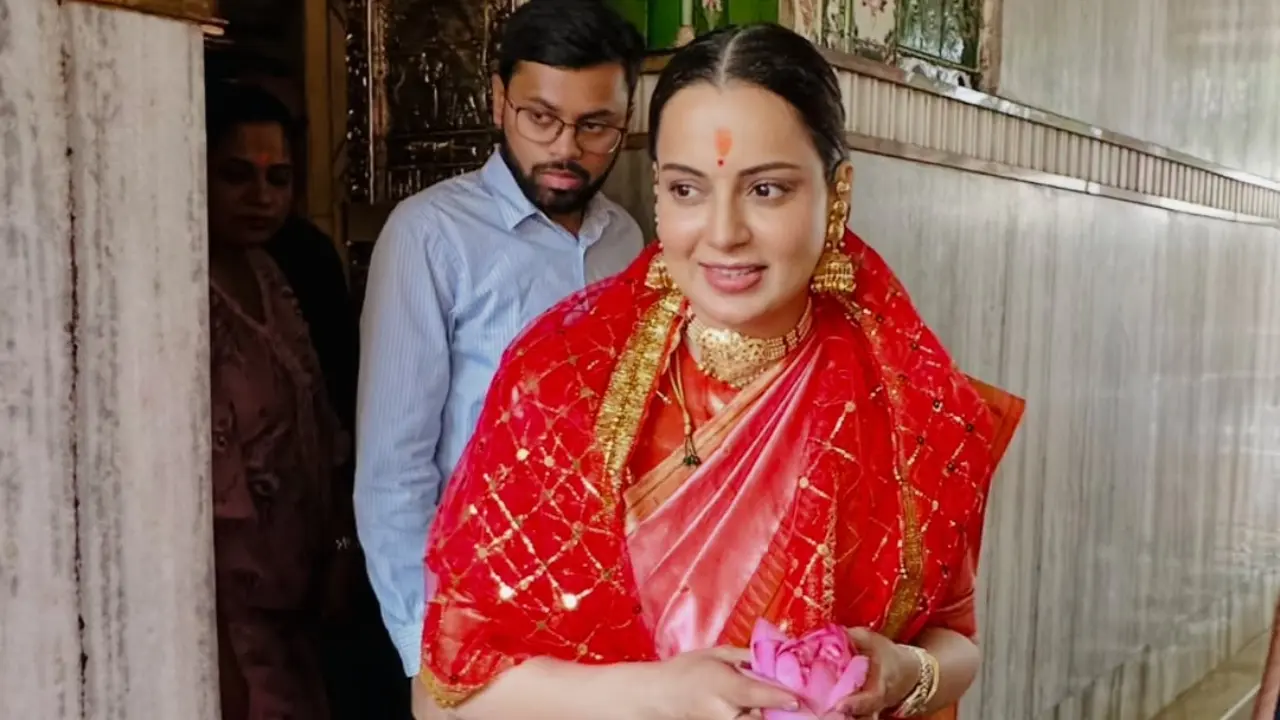
She criticised families that continue to prefer sons and expressed concern about the treatment of women and girls within traditional social structures. Kangana suggested that the desire for a male child can influence family decisions and perpetuate patriarchal expectations across generations.
The actor’s comments come amid continuing conversations in India about gender discrimination, women’s rights and the social preference for sons. While several states have made progress on indicators related to women’s education, health and participation in the workforce, son preference remains a persistent social concern in parts of the country.
Kangana’s criticism also reflects her tendency to speak openly about issues affecting her home state. Over the years, she has discussed subjects ranging from women’s safety and empowerment to the challenges faced by people from Himachal Pradesh pursuing careers outside the state.
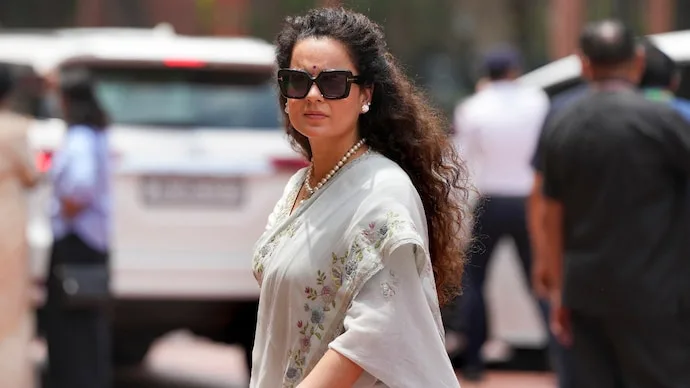
The actor’s comments have attracted attention partly because she did not exempt her own community from criticism. Instead, she specifically called out what she believes is a problematic mindset among people from the region. Her remarks suggest that cultural pride, in her view, should not prevent communities from confronting uncomfortable social realities.
The issue of son preference is closely linked to broader patriarchal structures in Indian society. In families where sons are traditionally seen as carriers of the family name or as future financial and social support, daughters can sometimes be viewed through the lens of marriage expenses and family responsibility. Such attitudes can influence everything from access to education and healthcare to women’s autonomy within households.
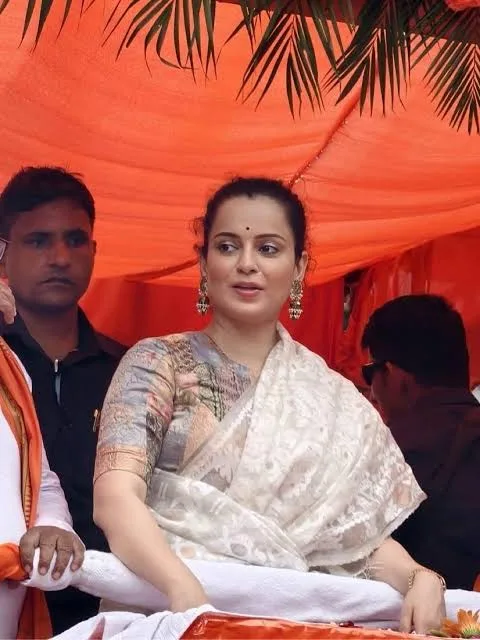
The actor has previously been vocal about women’s empowerment and has often positioned herself as someone who challenges conventional expectations surrounding women. Her own career, from a small-town upbringing in Himachal Pradesh to becoming one of Hindi cinema’s leading actors before entering politics, has frequently been presented as an example of breaking traditional barriers.