
 Snehashish roy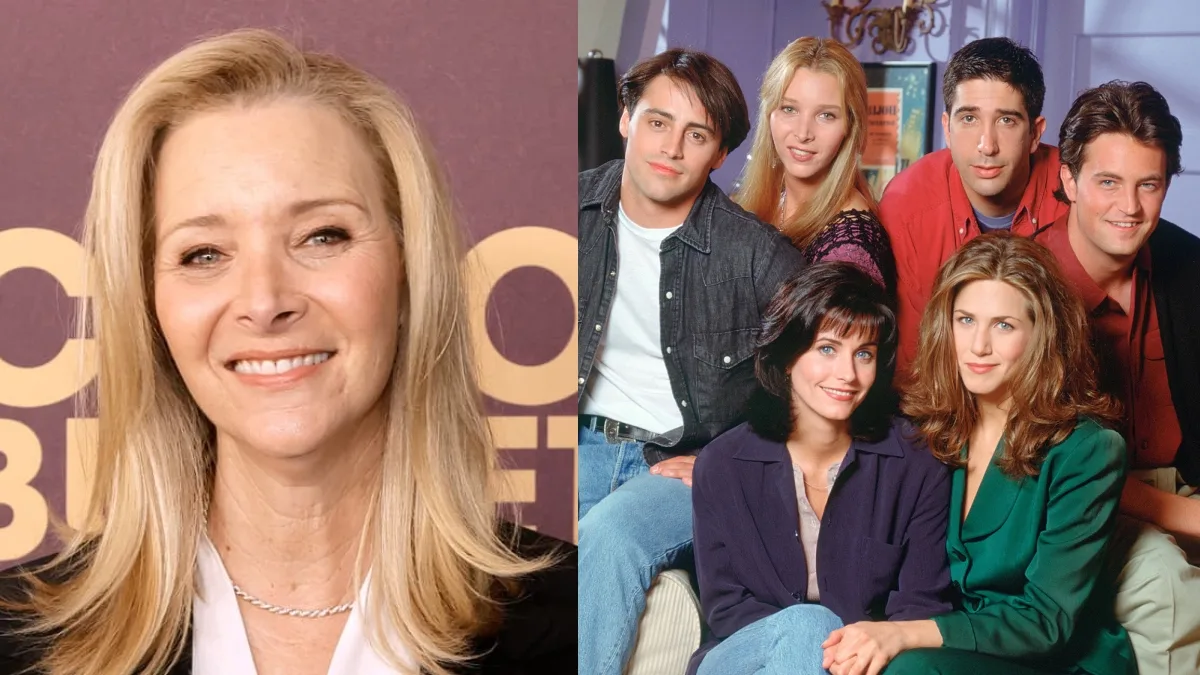
Lisa Kudrow has voiced strong support for preserving the iconic Friends set, urging future Warner Bros leadership to recognise its cultural and industry-wide significance. The actor, best known for playing Phoebe Buffay in the globally popular sitcom, spoke about the emotional and historical value of the set, highlighting how it represents more than just nostalgia for fans. Her comments come amid discussions about potential corporate restructuring and ownership changes involving Warner Bros, which have sparked conversations about what could happen to legacy television properties.
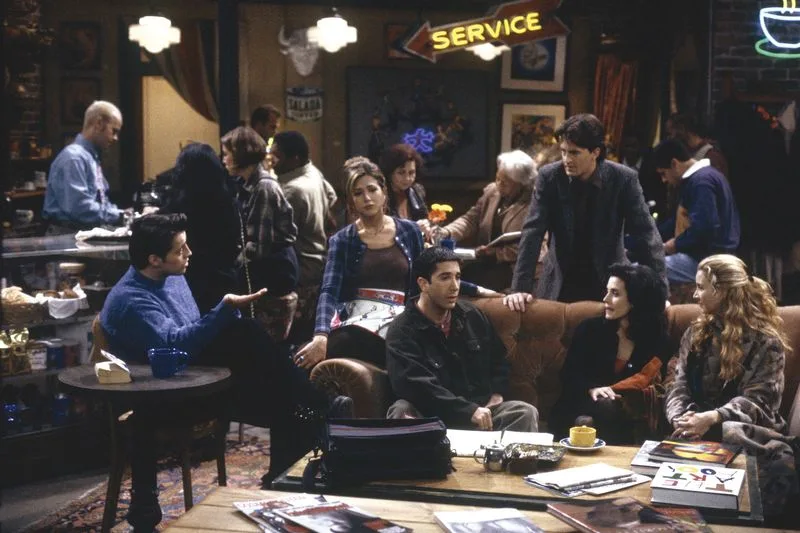
Kudrow emphasised that the Friends set is not merely a physical space but a landmark that shaped television history. She said that the location holds meaning not just for audiences who continue to revisit the show decades after its conclusion, but also for artists, writers and technicians who view it as a symbol of an era that transformed ensemble storytelling. The actor described the space as “special to the whole industry,” stressing that it stands as a reminder of collaborative creativity that defined the series. The show itself remains one of the most successful sitcoms ever produced, with its ten-season run leaving a lasting impact on global pop culture and television formats.

The Warner Bros studio lot in Burbank, where the series was filmed, has become a major attraction for fans and tourists. Replicas of the Central Perk coffeehouse and other iconic elements from the series have helped keep its legacy alive through studio tours, themed cafés and reunion specials. Kudrow’s appeal reflects concerns that corporate transitions or shifting priorities in the entertainment industry might risk sidelining historical sites tied to classic productions. By speaking publicly, she appears to be advocating for safeguarding television heritage at a time when streaming platforms and evolving business models often prioritise new content over preserving older cultural landmarks.
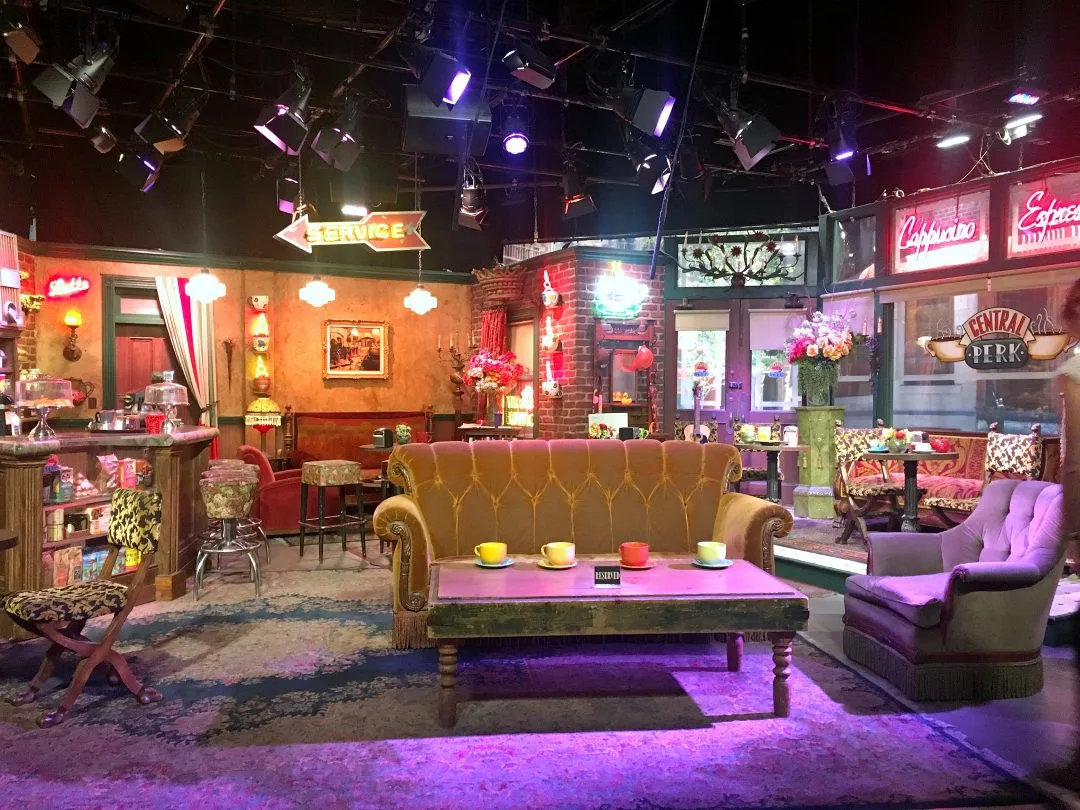
Kudrow also reflected on how the show’s enduring popularity has made the set more than just a relic from the past. She suggested that maintaining such spaces offers younger generations insight into the craft of television production, allowing them to understand how ensemble-driven storytelling was executed before the era of heavy digital production. Industry observers often point out that Friends helped redefine sitcom success by focusing on group chemistry rather than a single lead character, contributing to its long-lasting appeal and influence on later television projects.
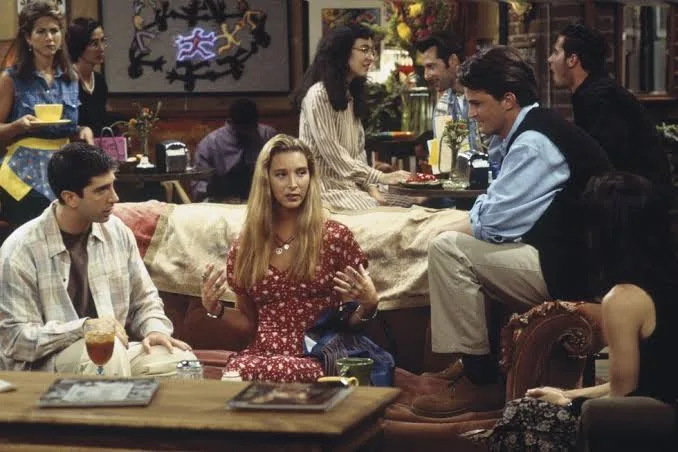
Her remarks arrive at a time when debates about preserving film and television heritage have intensified globally. As studios consolidate and shift toward digital-first strategies, questions have arisen about whether physical sets, props and filming locations tied to older shows will continue to receive institutional support. Kudrow’s stance highlights the emotional investment of artists who see these spaces as part of their professional legacy, rather than simply studio assets.
The actor’s comments also underline the continuing relevance of Friends, which remains widely streamed and frequently rediscovered by new audiences. Even years after its finale, the show’s cultural footprint is evident in themed experiences, merchandise and global fan communities. The set itself has become a pilgrimage site for fans visiting the Warner Bros lot, reinforcing its status as a symbol of television history.
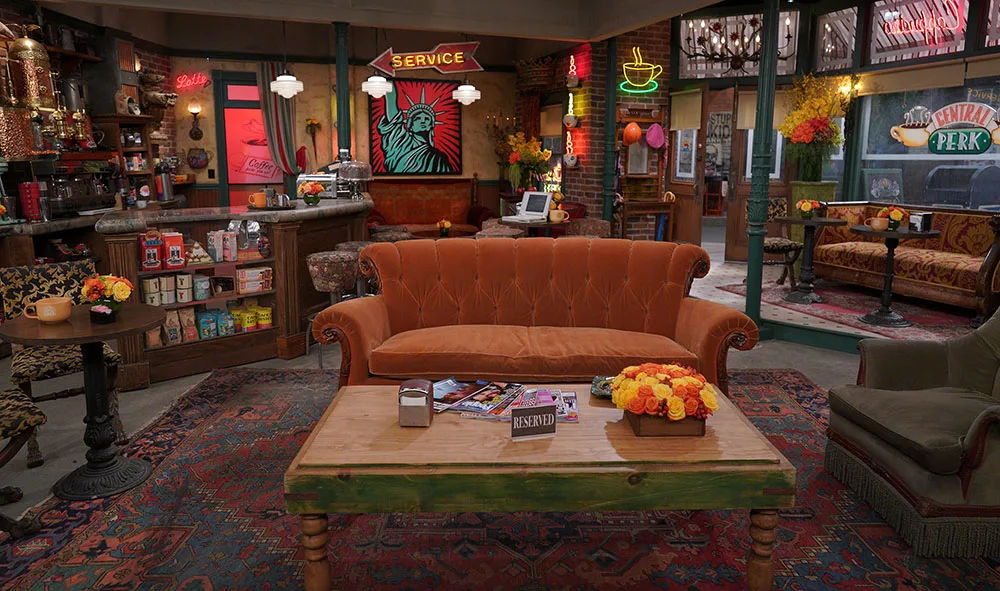
While Warner Bros has not officially announced any plans regarding the future of the set, Kudrow’s appeal has sparked fresh discussions among fans and industry insiders about preservation versus reinvention in modern entertainment spaces. Her comments serve as a reminder that behind evolving corporate strategies lies a broader question about how television history should be remembered and protected.