
 Gunjan Chaudhary
Anupam Mittal, founder of Shaadi.com and a prominent judge on Shark Tank India, has sparked a heated debate online with a bold statement about artificial intelligence and its impact on jobs. In a viral LinkedIn post, Mittal shared a blunt warning about how AI is reshaping the modern workplace and his words have left professionals both alarmed and reflective.
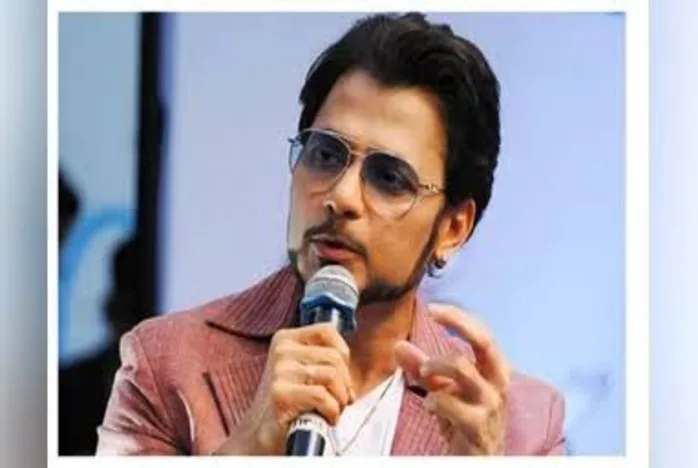
Anupam Mittal
Anupam Mittal’s Take On AI
As AI continues to rapidly transform industries, Anupam Mittal’s comments have reignited a pressing question, who is really at risk in the AI-driven future of work? In his widely discussed post, Anupam Mittal made a striking claim that challenged popular assumptions. Contrary to the belief that coders and technical professionals will be replaced first, Mittal asserted that middle managers are far more vulnerable.

Anupam Mittal
“If you’re a manager, here’s a harsh truth. AI will target middle management first, not coders,” he wrote. This single line was enough to grab attention across LinkedIn and beyond, prompting thousands of reactions and discussions. Mittal explained that many traditional management responsibilities such as coordination, process tracking, approvals, and bureaucratic decision making are exactly the kind of tasks AI can handle more efficiently.

Anupam Mittal
According to him, figuring out who to contact, how to get things done, and managing workflows are no longer exclusive human skills. AI tools and agents can now perform these functions faster, cheaper, and without friction. He also emphasized that the old idea of climbing the corporate ladder for authority alone is becoming outdated. “Who you knew and how you got things done to get your salary no longer matters,” Mittal noted.

Anupam Mittal
Backing his claims with real-world examples, Anupam Mittal pointed to companies he has invested in that are generating millions in revenue with surprisingly small teams. These businesses rely heavily on AI agents and automation, reducing the need for large managerial layers. This shift, he suggested, is not theoretical, it’s already happening.