
 Snehashish roy
As the highly anticipated film Dhurandhar gears up for release, actress Yami Gautam has spoken out strongly against what she calls a toxic trend in Bollywood, the practice of paying for marketing hype or negativity instead of trusting organic audience feedback. In a candid social media post on December 4, she criticised the growing pattern of using money to engineer public perception around films.
In her post, Yami wrote: “This so-called trend of giving money, in the disguise of marketing a film, to ensure good ‘hype’ … or else ‘they’ will continuously write negative things… feels nothing but kind of extortion.” She argued that this arrangement can be used to push artificial praise or to orchestrate pre-release negativity, in effect undermining honest critique and turning public opinion into a paid commodity. She further warned that what some may dismiss as harmless marketing is actually a “monster of a trend” that could hurt the entire industry.

Yami also contrasted this trend with film industries in the South, stating that there, she believes such manipulative PR practices are far less common because the industry “stands united.” She urged her peers, producers, directors and actors to collectively reject the paid-hype model and protect the integrity of Indian cinema.
The timing of her statement is notable, coming just a day before Dhurandhar hits theatres. The film, directed by her husband Aditya Dhar and starring Ranveer Singh among others, has already faced significant pre-release backlash and attempts to liken it to “cancel culture.” Yami described how the buzz around the film threatens to overshadow the hard work put in by the cast and crew.
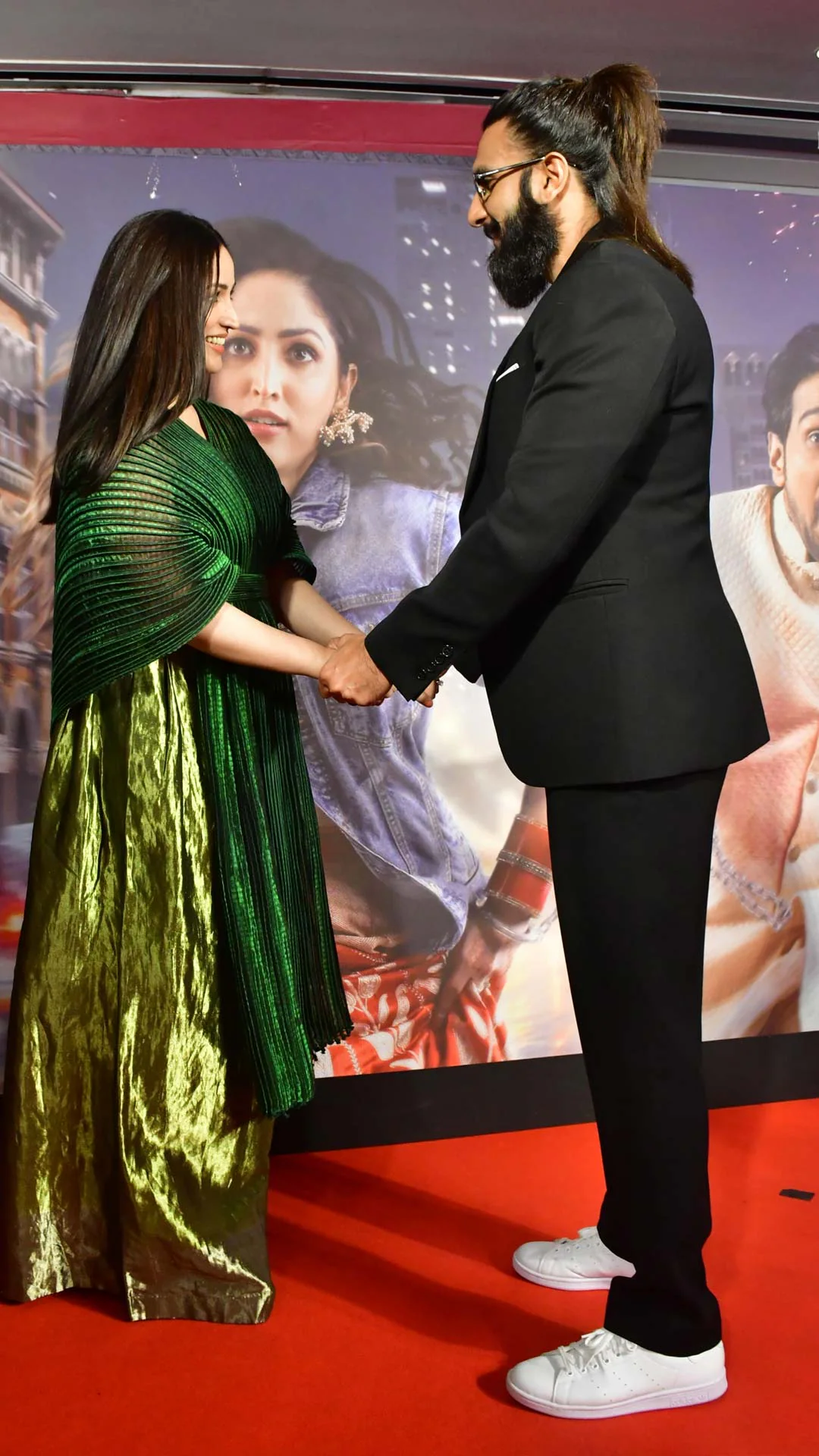
Her plea for fairness and authenticity resonated with many, including celebrated actor Hrithik Roshan, who responded in support of her stance. He emphasised that what the industry loses when such paid hype becomes common is more than box-office numbers; it loses genuine critical voices, audience trust, and the chance for honest feedback. “Only true opinions have the potential for feedback that helps us evolve,” he commented, reinforcing Yami’s argument against manipulating public discourse.

Yami’s outspoken criticism shines a spotlight on a critical issue: when marketing budgets start to substitute for merit, and when reviews, audience reaction and creative quality are overshadowed by paid narratives, the art of cinema risks becoming hollow. The call is less about one film or one release, it’s about protecting the values of honesty, fairness and artistic integrity that should guide the industry.
For many observers, her bold stance signals a pushback against an entrenched system, one where creativity and performance are judged not by talent or content, but by who pays the most. If more industry members join Yami and Hrithik in calling out the trend, it could mark the beginning of a meaningful shift, from hype-driven promotion to substance-driven storytelling.