
 Our Correspondent
A lush, green lawn doesn’t have to cost the earth—literally or figuratively. With just a few mindful tweaks, you can keep your garden looking its best while supporting the local wildlife and environment.
Small changes add up quickly, and before you know it, your patch of green will be thriving in harmony with nature.
Here are six easy, eco-friendly ways to care for your lawn and feel good doing it, too.
-
Choose Native Plants
Local plants are perfectly suited to your region’s climate, soil conditions, and environment, which makes them much less demanding than most exotic varieties.

In other words, you don’t have to water, fertilise, or treat them for pests as frequently.
This doesn’t just reduce your overall gardening expenses. It also minimises the ecological impact of your lawn maintenance routine, all while providing shelter and food for local pollinators and wildlife.
The most suitable type of grass for your garden depends on the amount of sunlight it typically gets, along with its soil type and drainage level.
Perennial ryegrass is a fan favourite in the UK, as it grows rather fast and provides excellent coverage. It also recovers quickly after mowing and maintains its pristine appearance despite heavy foot traffic.
Red fescue is another popular choice. This slow-growing species thrives in cloudy conditions and requires minimal upkeep, making it an excellent choice for busy homeowners.
Characterised by its fine, needle-like blades, it helps prevent bald patches, which is quite convenient for large plots.
As for the borders, you can’t go wrong with bluebells, foxgloves, and primroses. These native species will add a pop of colour to your outdoor area, surrounding your home with a beautiful floral frame.
-
Use Organic Fertilisers
To keep your lawn looking rich and healthy without compromising your environmental ethics, you need to find better alternatives to artificial fertilisers.
Unlike pre-packaged products, natural solutions enrich the soil without releasing harmful chemicals into the earth or water. This conscientious approach also reduces the amount of organic matter that often ends up in landfills.
Additionally, it strengthens the plants’ defences against pests and diseases over time.
Fallen leaves, small twigs, and seaweed, along with fruit and vegetable scraps, can enrich the soil with essential nutrients. Just make sure you combine green and food waste with brown materials, like untreated paper, cardboard, and hay, for a balanced mix.
Composted cow and chicken manure provide similar benefits as well, but make sure they are thoroughly decomposed. Otherwise, they can end up burning the grass.
If you can’t be bothered to start your own compost bin, you can always buy a ready-made natural fertiliser.
-
Mow Smartly
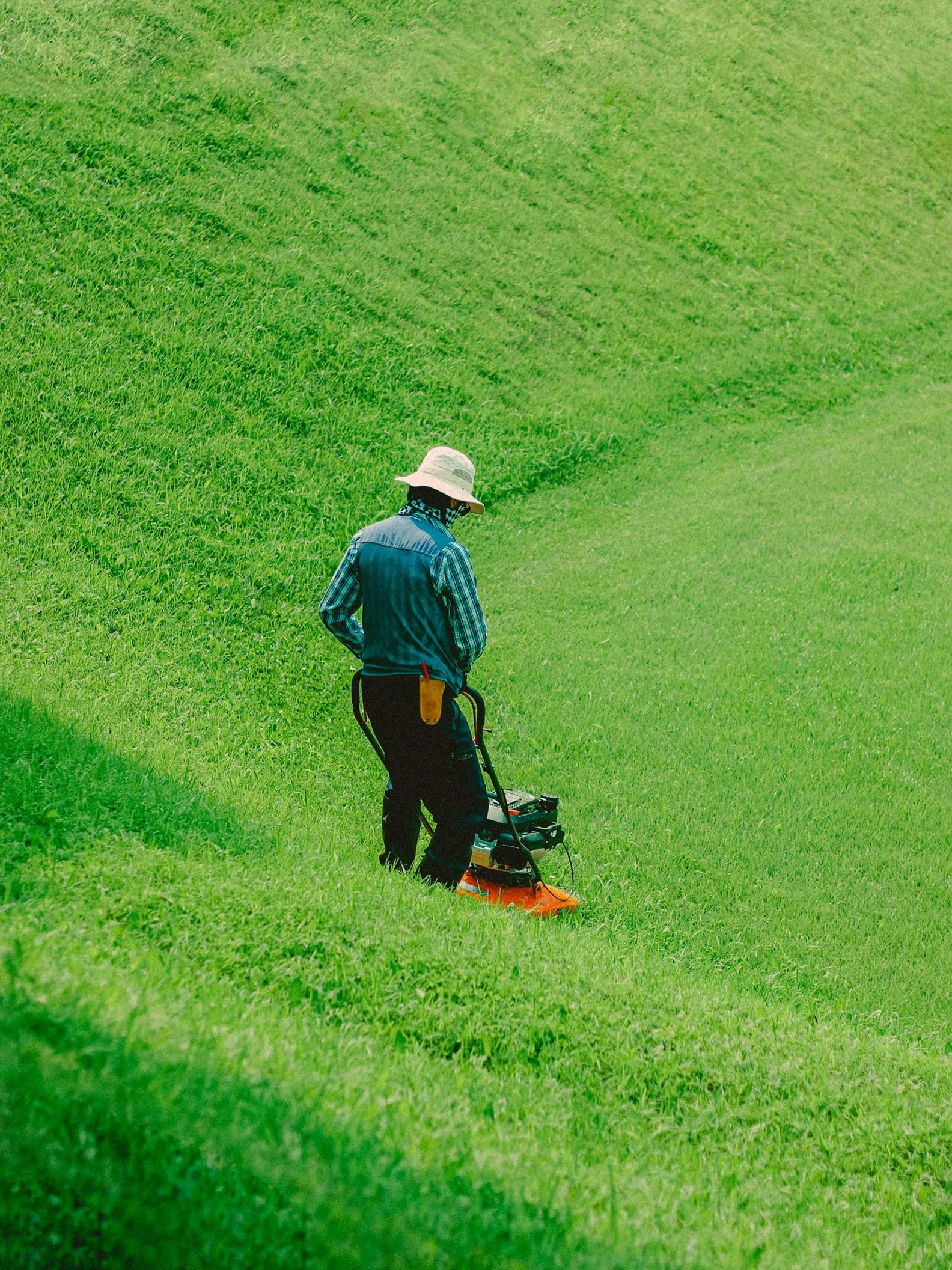
Efficient mowing is one of the cornerstones of sustainable lawn maintenance. The perfect height for healthy development depends on the type of grass you have.
Most cool-season varieties that thrive in the UK should be kept around 8‒10 centimetres high. As for warm-season species, anywhere between 5 and 6 centimetres would be ideal.
To avoid stressing the grass, don’t cut more than one-third of the blade in a single session. That way, it can grow strong enough to resist common pests and diseases without relying on chemical pesticides and soil enhancers.
If possible, replace your lawnmower with a solar-powered model. These models help reduce your carbon footprint and energy consumption, all while keeping your lawn looking neat.
Plus, they’re quieter than their gas-powered counterparts, which helps reduce noise pollution in residential areas.
Even though they come at a higher upfront cost, they’re more efficient and require less maintenance in the long run.
-
Water Wisely
Efficient watering is equally important. The best time to water the grass is early in the morning, when the temperatures are slightly cooler and the chances of evaporation are at their lowest.
Not only does this allow the turf to absorb moisture more effectively, but it also helps minimise your water consumption.
To reduce waste even more, use barrels to collect rainwater. That way, you can make the most of a free and otherwise wasted resource, all while keeping your utility bills in check.
Your watering technique makes all the difference. Infrequent, deep watering promotes healthy root development, enabling plants to remain resilient during dry spells.
If you’d rather save yourself the hassle, install a drip irrigation system. These efficient setups reduce water waste by delivering moisture directly to the roots.
Mulching once or twice a year can also boost your water conservation efforts. As they break down, organic mulches, such as bark chips and leaf mould, enrich the soil slowly, all while keeping pesky weeds at bay.
They also improve water retention and keep the roots nice and cool, even during dry spells.
-
Reduce Lawn Size
Your lawn doesn’t need to stretch for miles on end. Limiting its size allows for easy maintenance and resource conservation.
Additionally, it frees up space for exciting features, like a cosy gazebo, whimsical pathway, or calming water fountain.
These functional features can instantly enhance your garden’s visual appeal while creating an inviting space to unwind and reconnect with nature.
If you don’t want to compromise on the size of your lawn, consider planting clover instead of grass. It’s equally attractive yet requires barely any upkeep, which in turn reduces the amount of water, fertilisers, and pesticides you use.
Xeriscaping is another viable option. It involves sowing hardy, water-efficient plants that thrive in low-moisture environments.
Lavender, sedum, and ornamental grasses are all great candidates for that. Not only do they withstand dry spells, but they also add texture and colour to your garden without the extra effort.
-
Avoid Chemical Pesticides
While they effectively eradicate unwanted pests, chemical pesticides can cause serious harm to natural ecosystems and humans alike. They can even put your beloved pets at risk if they like to nibble on grass.
Luckily, there are plenty of non-toxic alternatives that will do the trick without any of these dangerous side effects.
Take diatomaceous earth, for example. This organic powder effectively targets ants, ticks, fleas, cockroaches, and other pests.
Neem oil is another powerful, natural pesticide that prevents various insects from reproducing, effectively reducing their numbers over time.
You can also dilute plant-based detergents in water to keep mites and soft-bodied critters at bay. Just make sure to test this concoction on a small batch first to guarantee that it’s safe for the particular type of grass you have.
Conclusion
Going green with your lawn care isn’t just about keeping it pretty. It’s about doing your part for the planet, one blade of grass at a time.
Every eco-friendly tweak, from composting kitchen scraps to swapping chemicals for natural alternatives, gives nature a well-deserved breather.
With these simple suggestions, you can create your very own patch of paradise that not only lifts your spirits but also leaves the world a little better for it.