
 Snehashish roy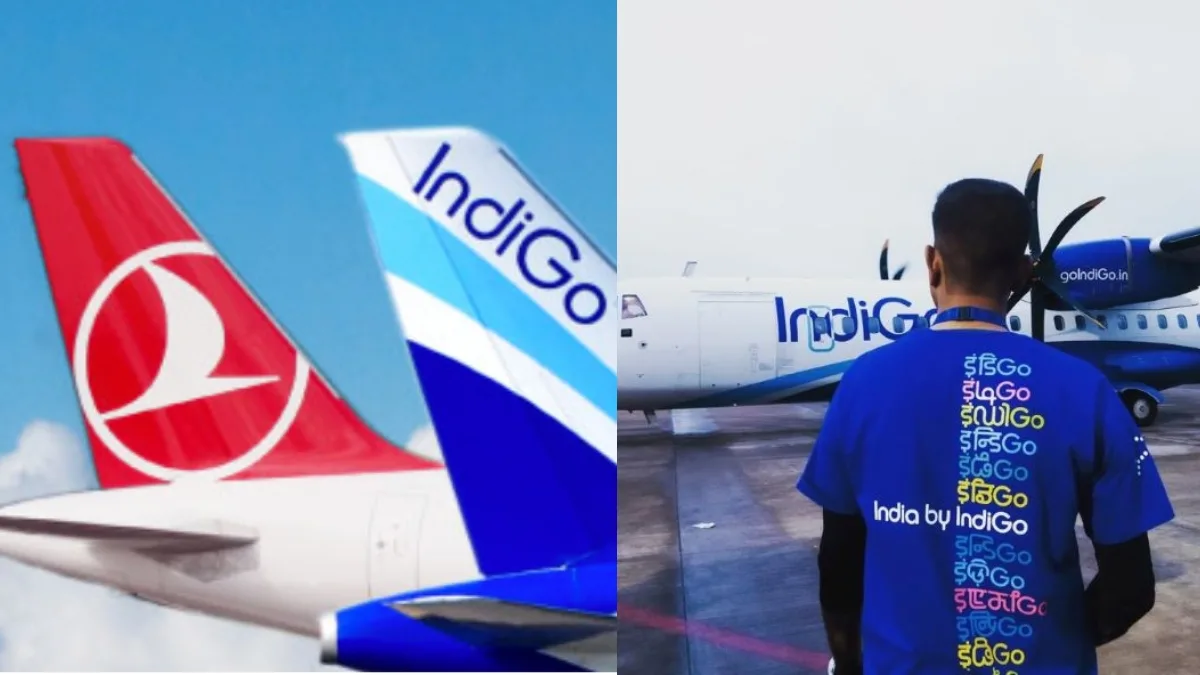
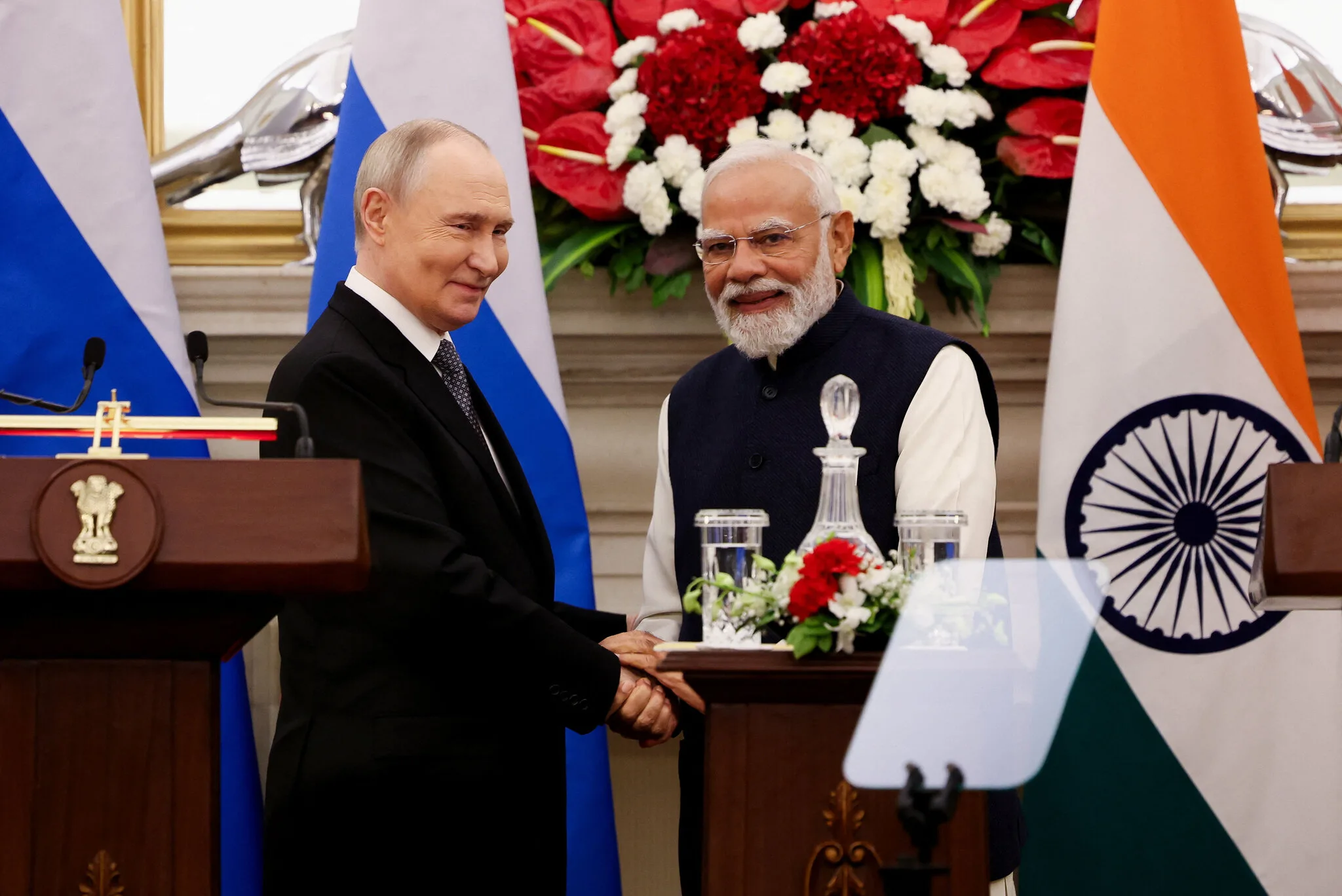
The ongoing chaos at IndiGo, with thousands of flights cancelled and passengers stranded, has exposed deep structural vulnerabilities in India’s aviation ecosystem. The timing of this meltdown, coinciding with large diplomatic developments including the visit of a foreign head of state, adds a political dimension that demands a sober, comprehensive response.
Why the Crisis Exploded Now: FDTL Norms, Overdependence, and Poor Planning
At the heart of the disruption lie the revised flight-duty norms issued by the Directorate General of Civil Aviation (DGCA). The updated Flight Duty Time Limitations (FDTL) rules, originally announced in January 2024, mandate increased rest periods for pilots, stricter limits on night flights and tighter controls on continuous duty hours.
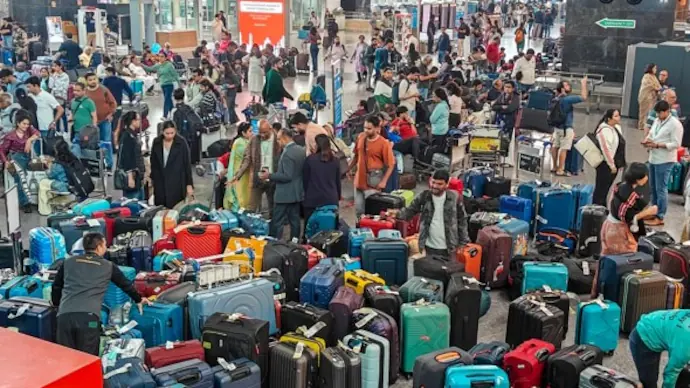
Though the industry had over a year to prepare, the full implementation rolled out in phases through 2025. By the time the second phase kicked in, involving significant restrictions on night landings and mandatory crew rest, IndiGo, the country’s largest domestic carrier, apparently had not scaled up its crew strength or adjusted rosters to match the new requirements.

The result has been a domino effect: pilots exceeded permissible duty limits, flights were cancelled en masse and airports across India were overwhelmed by thousands of stranded travellers. The DGCA’s show-cause notice to IndiGo’s CEO accuses the airline of “inadequate arrangements” to meet the FDTL norms despite prior awareness.
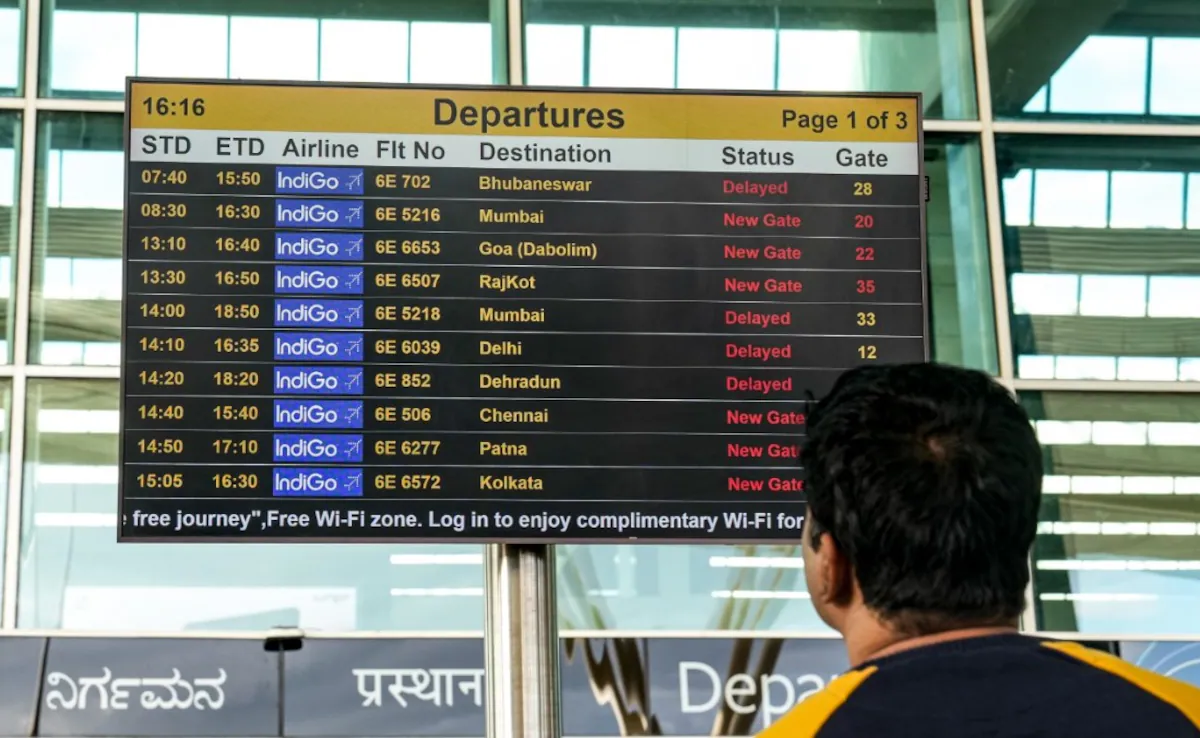
This collapse underscores a systemic risk: when one airline, especially one that commands around 60–65 % of the domestic market, fails to adapt operationally, the entire national aviation network can grind to a halt.
The Political Dimension: Why the Timing Matters
The crisis could not have come at a more sensitive moment. In the backdrop of geopolitical shifts, ongoing diplomatic outreach and a critical foreign visit, the sudden breakdown in domestic aviation sends a jarring message. It highlights not only regulatory complacency but also the risks of over-relying on a near-monopoly. Critics in Parliament have already connected IndiGo’s dominant market share to political influence, questioning why an airline effectively controlling two-thirds of the domestic air travel market failed to prepare adequately for rule changes.
There are also concerns around transparency and accountability. If a private airline with such market share can generate repeated disruption, the question arises: Was there adequate oversight when the FDTL norms were formulated? Did the regulatory and political environment allow for a smooth transition, or did monopolistic influence lull the system into inaction?
IndiGo’s Codeshare Deals and External Alliances: A Worrying Conjecture
Another dimension attracting scrutiny is IndiGo’s international tie-ups, including previous lease agreements and codeshare arrangements. For instance, the airline had been operating wet-leased aircraft from Turkish Airlines, a partnership that had already come under regulatory examination. Critics suggest that while domestic operations collapsed, international codeshare flights continued, fueling speculation that the disruptions might have been managed to prioritise international routes, or to exert pressure on regulators.
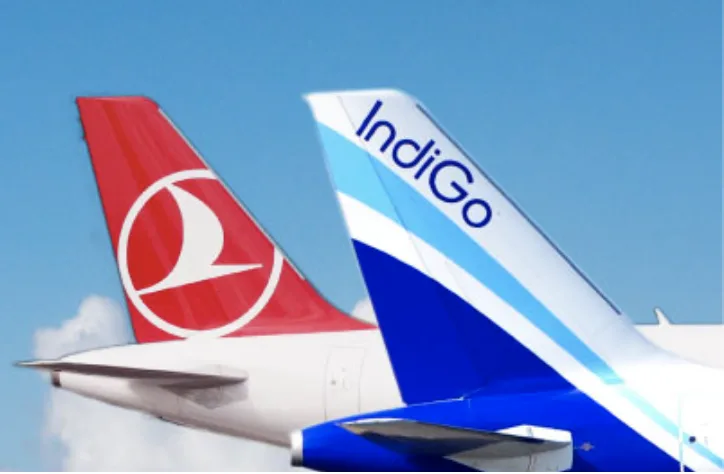
In the current geopolitical context, with shifting alliances, India–US relations, and regional tensions, such speculation gains urgency. The fact that the meltdown coincides with a foreign dignitary’s visit has led to murmurs of strategic exploitation, though no evidence publicly supports these claims yet.
What Has the Government Done And What Comes Next?
The regulatory response has thus far been swift. The DGCA issued a stern show-cause notice to IndiGo’s top management, demanding explanations for violations of crew duty rules under the Aircraft Rules and Civil Aviation Requirements. The regulator also granted a one-time 24-hour extension to allow the airline’s CEO and COO to respond, while warning that non-compliance could lead to ex parte action.
Simultaneously, authorities granted IndiGo a temporary relief: a limited rollback of the FDTL restrictions for its A320 fleet until February 2026, a decision framed as necessary to prevent further passenger chaos but one that raises serious concerns about aviation safety and regulatory rigidity.
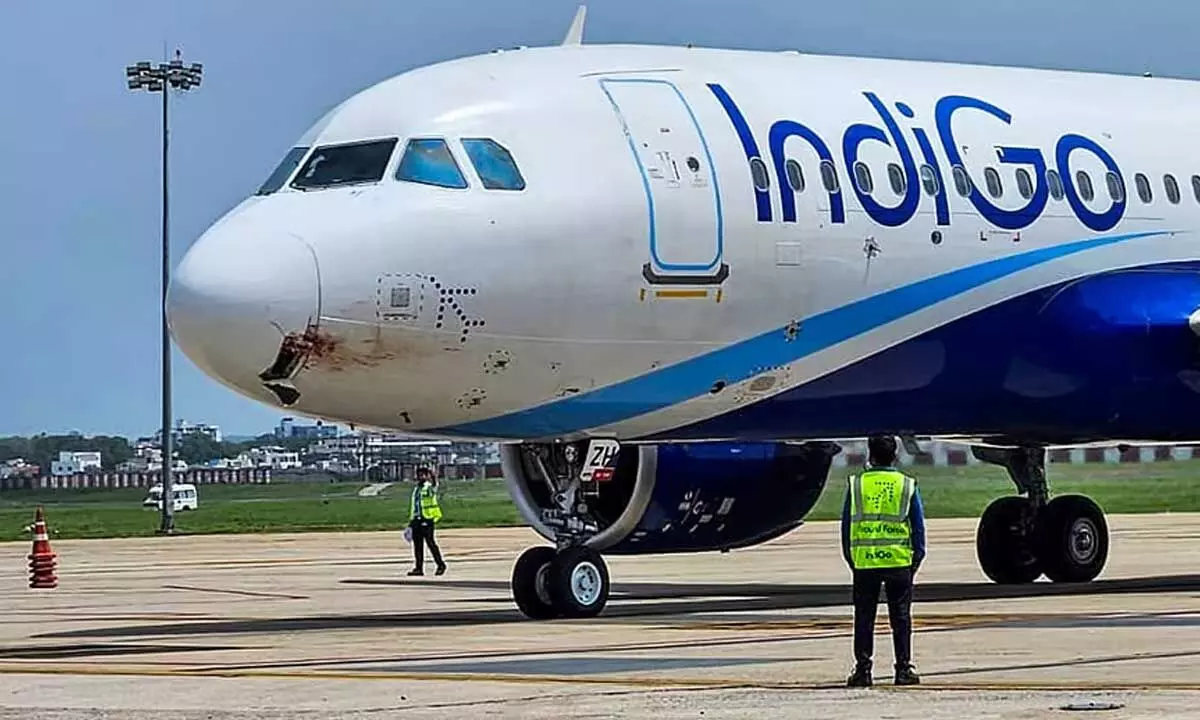
This short-term mitigation may ease the immediate crisis, but it also spotlights systemic fragility. A truly resilient aviation sector would not hinge on crisis-driven exemptions. What’s needed is structural reform: diversified market competition, robust contingency planning, transparent regulatory oversight, and enforcement of safety norms regardless of market pressure.
The Road Ahead: Reform, Oversight and Restoring Trust
The IndiGo crisis should serve as a wake-up call for India’s aviation ecosystem. Overdependence on a single carrier creates systemic risk. The government must promote a more balanced airline market, incentivise smaller players, ease regulatory burdens, and support fleet expansion for alternatives. At the same time, the DGCA and Ministry of Civil Aviation must enforce safety and duty rules strictly, ensuring that passenger rights, crew welfare and operational integrity are never compromised.
Finally, public trust, once broken, will be hard to rebuild. Transparent investigations, timely compensation for stranded passengers, and visible structural reforms will be key. Without genuine corrective action, any return to normalcy risks being short-lived, and a repeat of this meltdown could be a catastrophic blow to India’s ambitions as an emerging global aviation hub.