
 Snehashish roy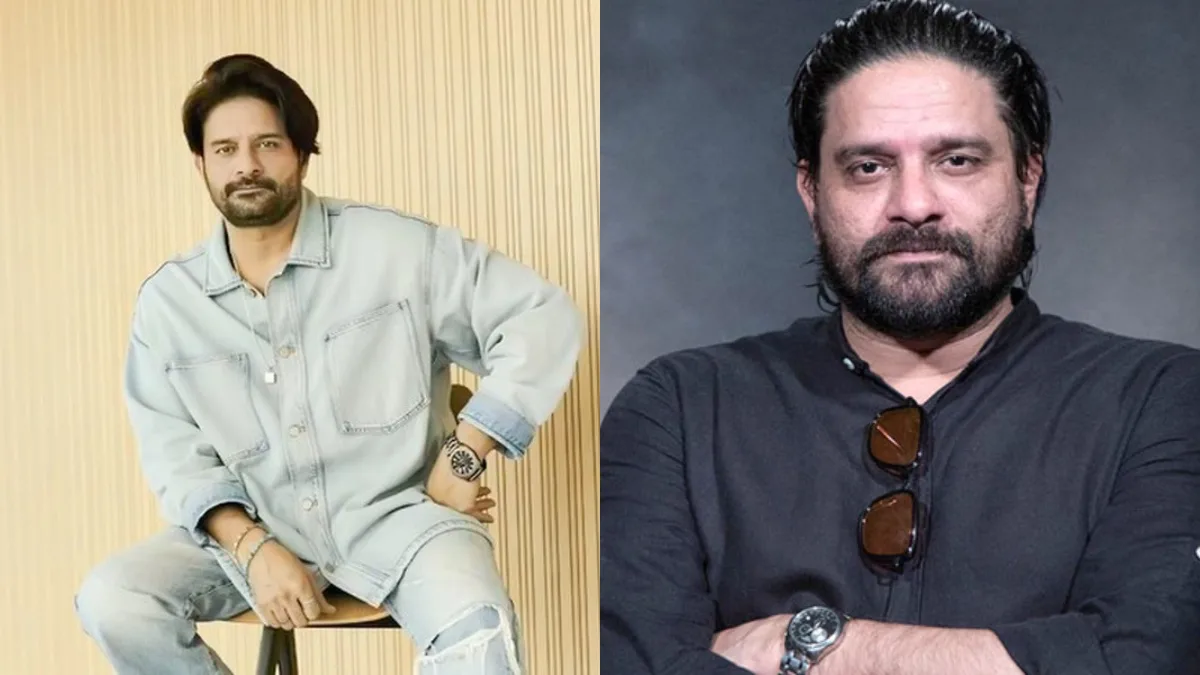
Actor Jaideep Ahlawat, known for his intense performances and nuanced character portrayals, has called out what he describes as Bollywood’s outdated obsession with categorising roles strictly as heroes and villains, a practice he says “demeans” complex characters and limits creative storytelling. Ahlawat’s comments add fuel to a broader conversation in Indian cinema about how character depth is evolving, and why rigid labels may no longer serve modern narratives.
Speaking recently about his work, including his antagonist role in The Family Man 3, Ahlawat suggested that Indian cinema’s fixation on clear-cut heroes and villains does a disservice to richly written characters. “Ek shabd to hamein nikaal Dena chahiye apni cinema ki dictionary se jo hai ‘villain’. Only in India, we are obsessed with the terms ‘hero’ and ‘villain’; nowhere else in the world is that used. We should avoid these words as you automatically demean the amazingly written character with it,” he said, arguing that these labels reduce multifaceted individuals to simplistic boxes.
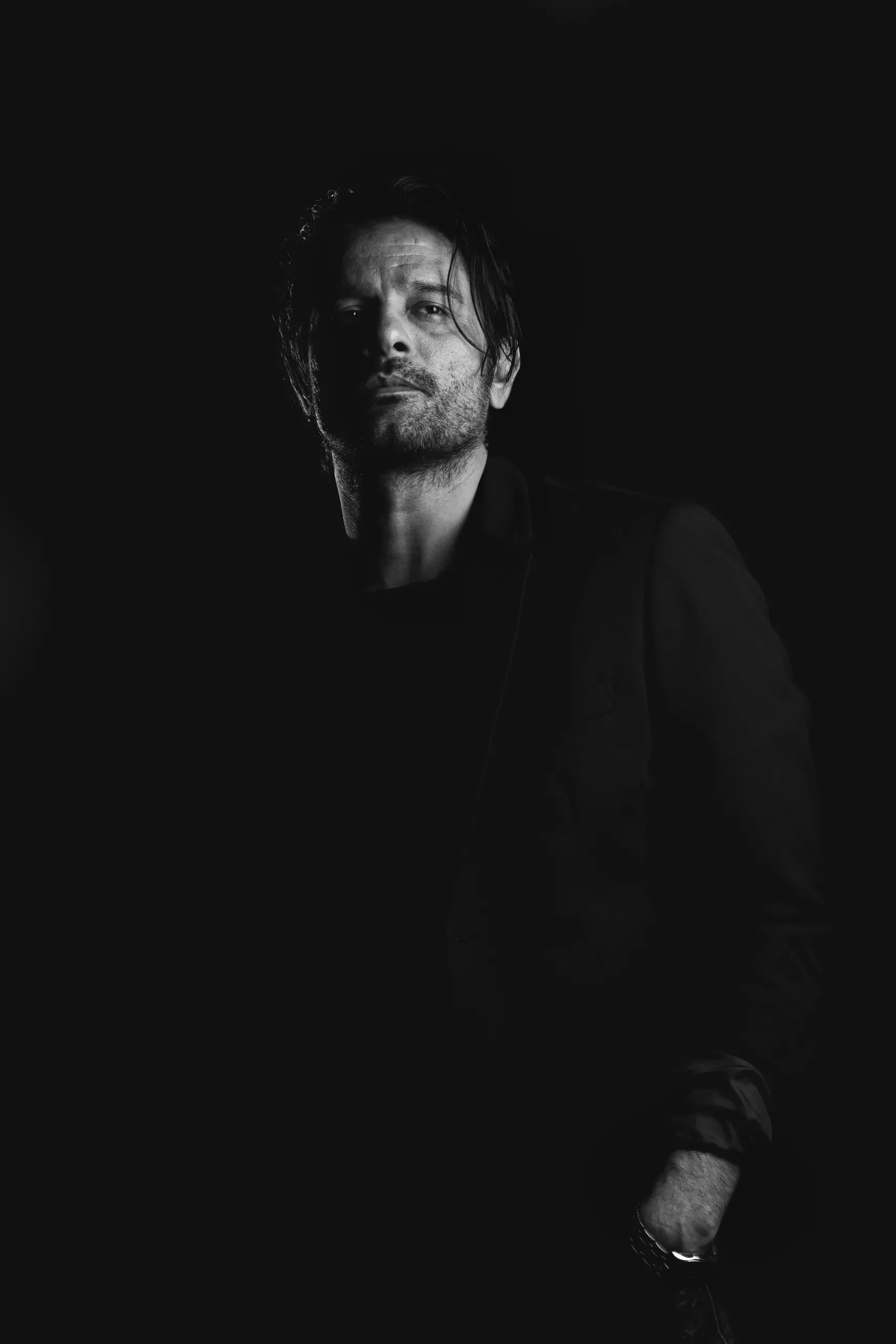
His perspective resonates in an era where audiences have increasingly welcomed morally grey figures and anti-heroes who defy easy classification. Films and series across the globe, and increasingly in Bollywood, have blurred the lines between traditional protagonists and antagonists, offering characters whose motivations, flaws and virtues coexist in compelling tension. Recent trends show roles once seen as purely “villainous” often becoming focal points of audience fascination and narrative drive.
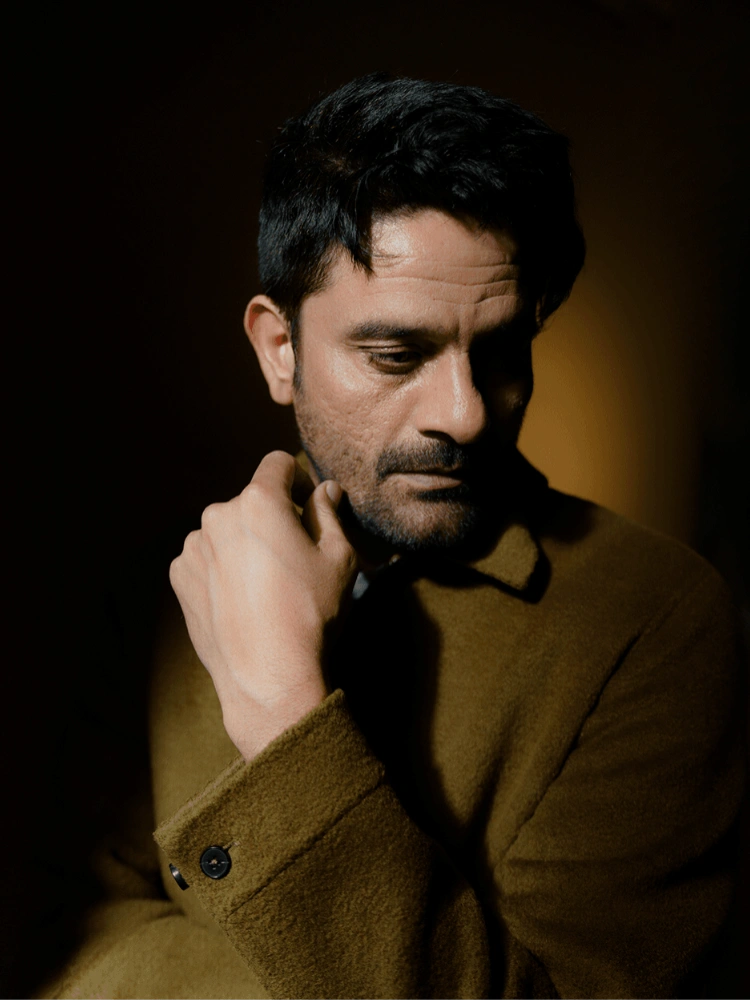
Ahlawat’s own career reflects this shift. In The Family Man 3, he plays a character that cannot be dismissed as merely “bad.” Instead, his performance layers complexity that invites empathy as well as critique, showing that individuals on screen can embody contradictions that traditional labels fail to capture. For him, acting in such roles presents new creative challenges that enrich both artist and audience.
When asked if he felt apprehensive about taking a so-called “negative role,” especially given his success with leading parts such as in Paatal Lok, Ahlawat dismissed the idea outright. “That thought never crossed my mind. I just found it as a great opportunity to act which was very different… There’s nothing to lose, so what will be the apprehension? To think that why am I doing a negative role when I have my own show, is idiotic. It’s about new challenges,” he said, emphasising that artists should seek growth rather than settle into comfort.
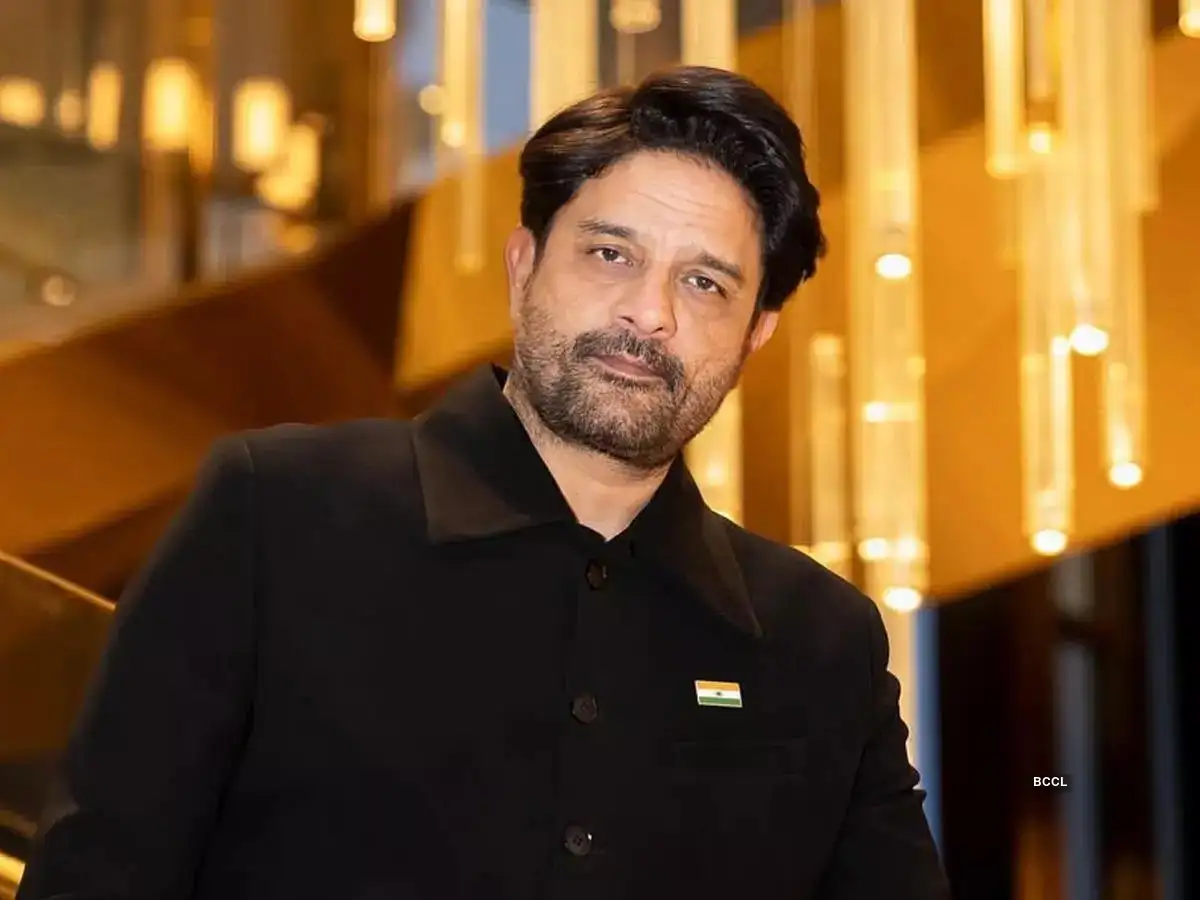
His comments come at a moment when Bollywood storytelling is indeed broadening. Audiences have responded enthusiastically to films and shows that feature layered antagonists and subvert narrative stereotypes, such as the compelling portrayals in Jewel Thief, where Ahlawat appears alongside established actors, and other recent works that celebrate depth over archetype.
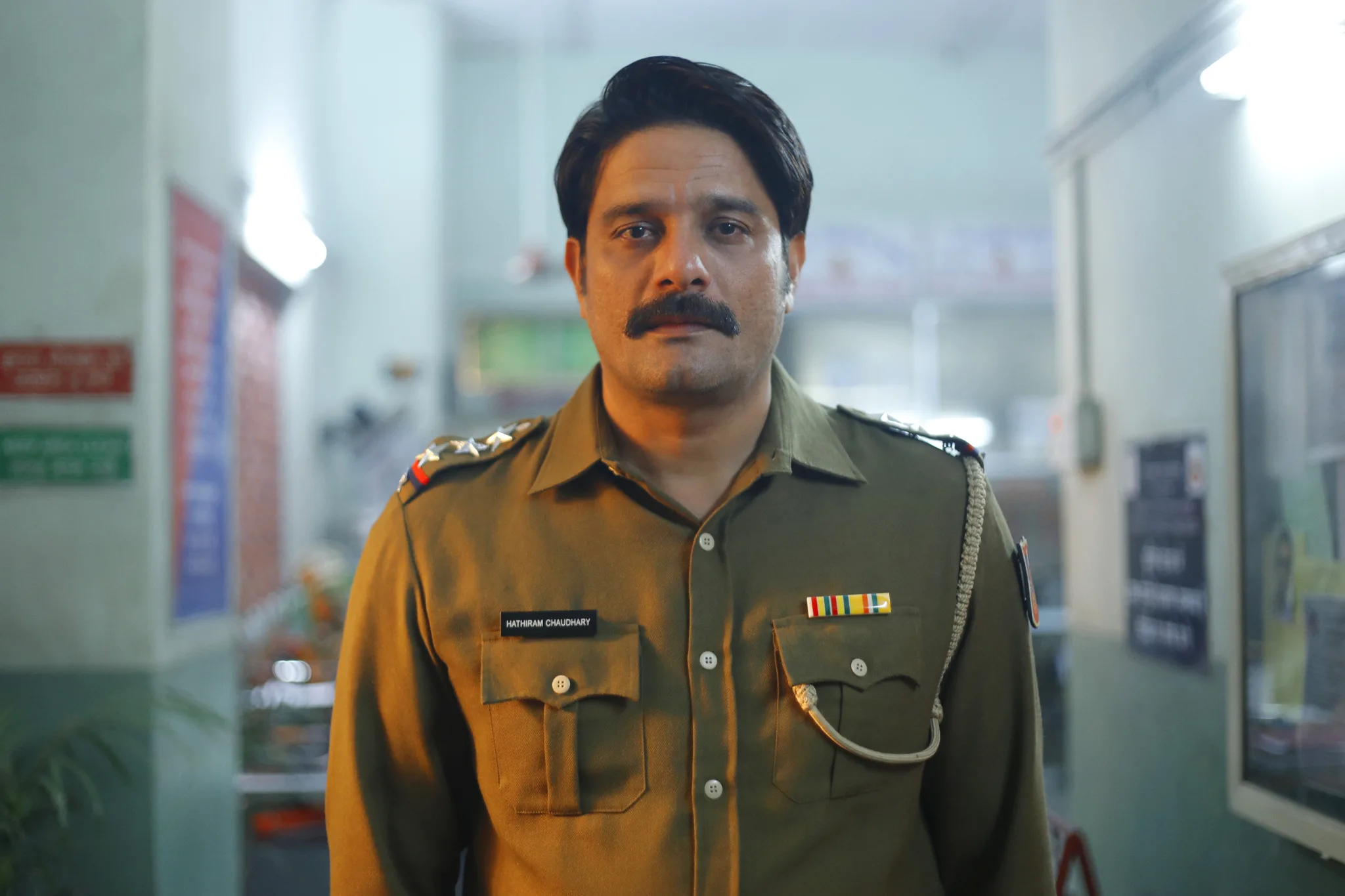
The pushback against rigid hero–villain dynamics also reflects evolving audience tastes. With the internet and international content platforms exposing viewers to diverse storytelling traditions, Indian cinema fans increasingly question why characters must be boxed into extremes. Many argue that such labels can stifle creativity, forcing writers to skew characters for formulaic appeal rather than allowing them to exist with authentic contradictions.
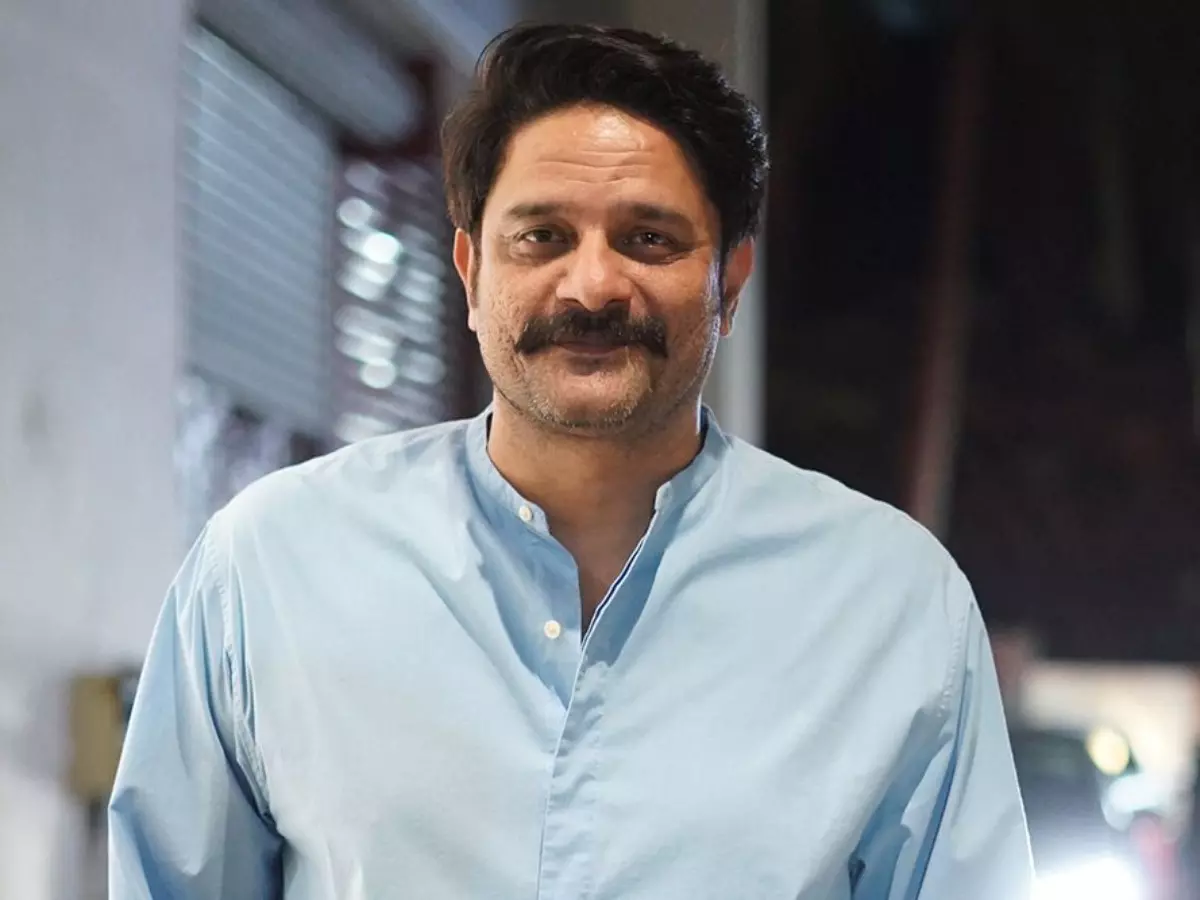
Ahlawat’s remarks serve as both critique and invitation, a call for Indian cinema to embrace complexity without defaulting to categories that may have outlived their usefulness. In a storytelling landscape that values nuance, his appeal to drop reductive labels like “villain” could open space for richer characters and more emotionally resonant narratives.
As Bollywood continues to reinvent itself, voices like Ahlawat’s highlight a growing recognition that character depth, not simplistic labels, is what truly engages audiences, both in India and beyond.