
 Snehashish roy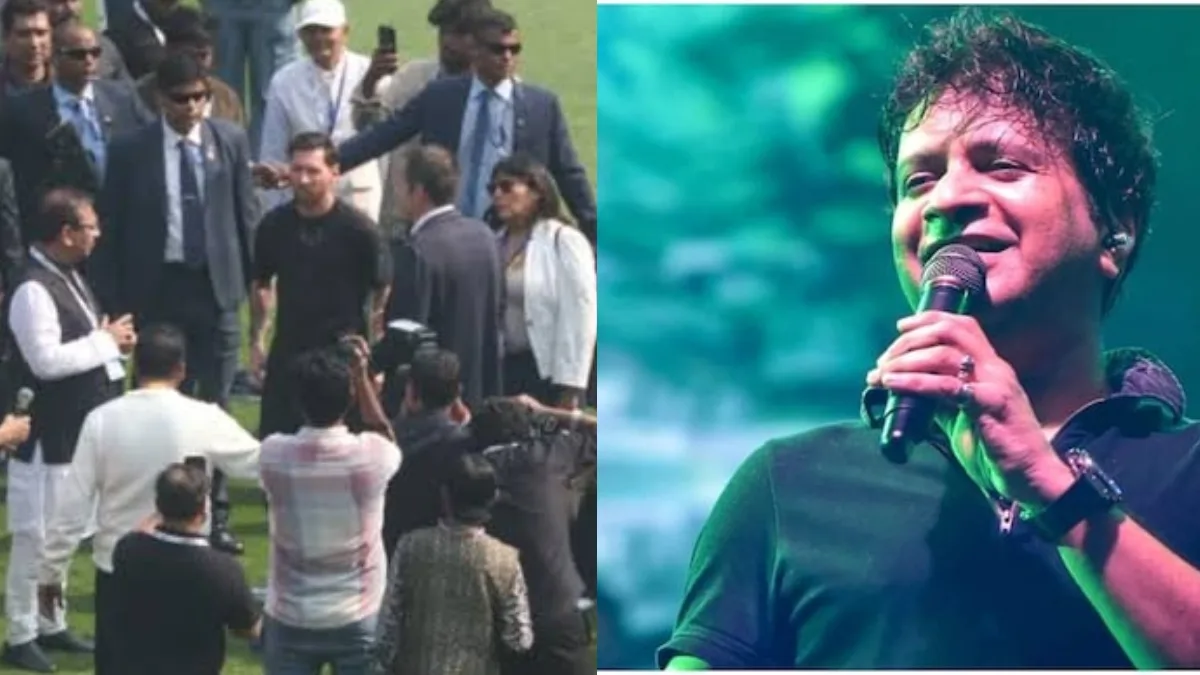
The chaos that forced Lionel Messi to leave a stadium early, amid pitch invasions, flying bottles and boos, should not be dismissed as an isolated embarrassment. It is a warning flare. Across concerts, sporting events and celebrity appearances, India’s culture of reverence has metastasised into entitlement, and entitlement into outright lawlessness. What is breaking down is not just crowd control, but the moral contract between organisers, authorities and the public.
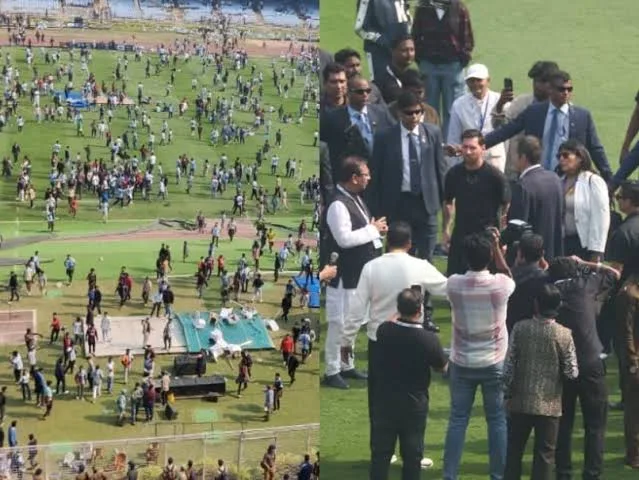
What fans were sold as access was, in reality, illusion. Thousands who paid premium prices to watch Messi later alleged they were effectively locked out while ministers, political VIPs and their entourages were ushered in. The allegations of a “scam” are not merely about refunds; they go to the heart of how celebrity events in India are increasingly structured. Tickets buy hope, not entry. Power buys everything else. The ordinary attendee becomes a prop, useful only to legitimise an event whose real audience sits in exclusive enclosures.
This is not fandom. It is feudalism with floodlights.

Celebrity worship in India operates on a dangerous logic: the star is sacred, the powerful are entitled, and the crowd is disposable. Rules collapse the moment a celebrity arrives. Barricades are breached, protocols are bent, and security becomes ornamental. What is often romanticised as “passion” is nothing more than mob behaviour fuelled by entitlement and enabled by authority.

Political interference makes this rot systemic. High-profile events are routinely hijacked by VIP culture. Entry plans are rewritten at the last minute to accommodate ministers and influencers. Security personnel are redeployed to protect privilege, not people. The paying public, already packed into unsafe spaces, is pushed further into chaos. The message is blunt: your ticket matters less than someone’s designation.
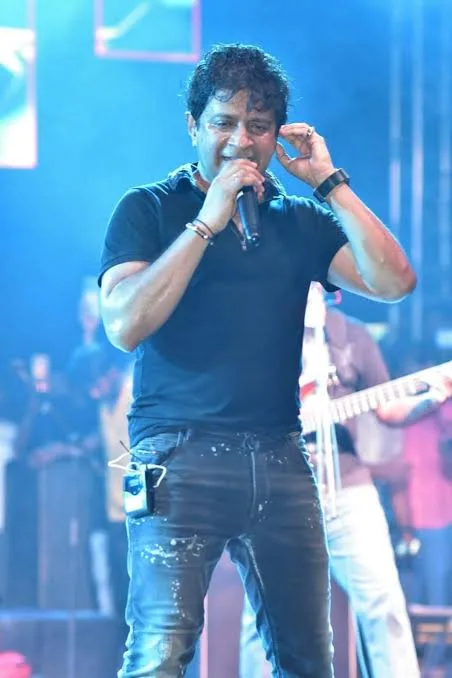
The human cost of this culture is devastatingly clear. The death of KK was not a tragic accident; it was a foreseeable outcome of overcrowding, blocked exits and a political obsession with spectacle over safety. That night in Kolkata exposed how safety guidelines are treated as inconveniences when power demands a “grand” show. A man died. The system shrugged.
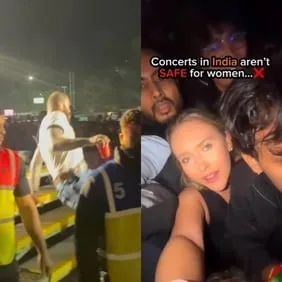
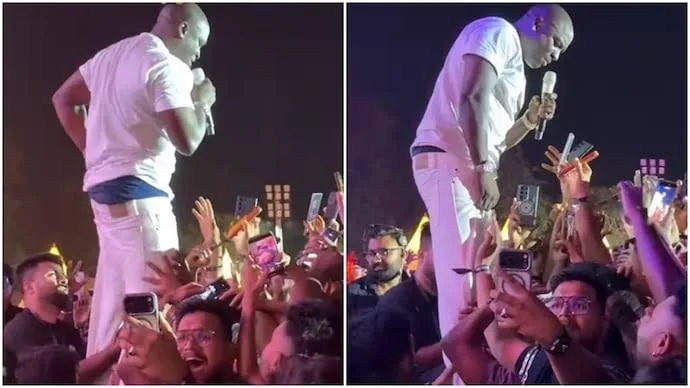
International artists have faced the same breakdown. In Bengaluru, Akon was harassed on stage as fans overwhelmed security and invaded personal space. At Post Malone’s Guwahati concert, a UK-based influencer later alleged harassment and unsafe crowd conditions, pointing to administrative abdication. These events were sold as global, premium experiences. They were executed with local impunity and global embarrassment.
No amount of policing can fix a society that refuses to self-regulate. Civic sense in India is conditional. People resent queues, mock capacity limits and treat public rules as optional. Then, when disaster strikes, they demand accountability from the very institutions they undermined. This hypocrisy is as dangerous as mismanagement.
Equally damning is how quickly chaos is normalised. Every incident is followed by condolences, denials and forgotten promises. Committees replace consequences. The next event is announced. The next crowd surges. The cycle continues.
Globally, major events prioritise audience safety over celebrity proximity. In India, the hierarchy is inverted: the star is sacralised, VIPs are protected, and the crowd is expendable. Until political privilege is removed from public events, until organisers are held criminally accountable, and until civic discipline is enforced without apology, this chaos will persist.
Messi being booed out of a stadium is embarrassing. KK dying after a concert is unforgivable. And when people pay thousands only to watch power walk past them, the failure is no longer logistical. It is ethical.