
 Snehashish roy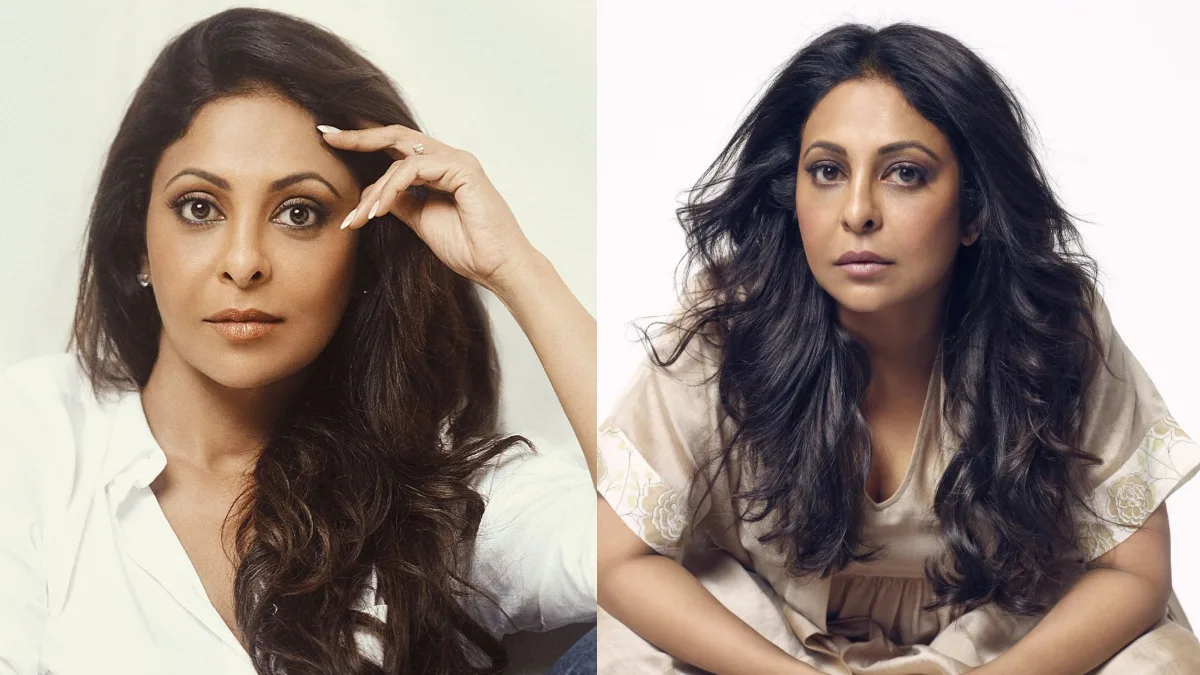
Actor Shefali Shah has once again drawn attention to the persistent issue of ageism and sexism in the Hindi film industry, calling out the double standards that continue to define how male and female actors are cast and perceived. In a recent interaction, the acclaimed performer spoke candidly about how Bollywood still allows men the freedom to age on screen, while women are expected to fit into a narrow bracket of youth and desirability.
Shefali, who has earned critical acclaim across films and streaming platforms, pointed out that male protagonists are routinely cast well into their forties, fifties and even beyond, without their age ever becoming a limitation. In contrast, female actors often find themselves boxed into a shrinking window. “A hero can be of any age,” she observed, adding that for heroines, the acceptable range is still largely confined to being “18 to 25.” Her remark resonated with many, as it articulated a frustration that women in the industry have voiced for decades, often quietly and at great professional risk.

The actor explained that this imbalance is not just about screen time, but about how stories are written and whose lives are considered worthy of exploration. Male characters are allowed complexity, ambition, romance and vulnerability at any stage of life. Female characters, on the other hand, are frequently reduced to romantic interests, and once they cross a certain age, are either sidelined or recast as mothers, wives or background figures. According to Shefali, this narrow lens robs cinema of richer, more authentic storytelling.
What makes her argument particularly compelling is her own career trajectory. Shefali Shah began acting at a time when mainstream roles for women were even more restrictive. While she delivered memorable performances early on, widespread recognition arrived later, especially through layered roles in films and web series that focused on strong, mature women. Her success, she suggests, proves that audiences are willing to engage with female characters beyond youth, if filmmakers are willing to take that leap.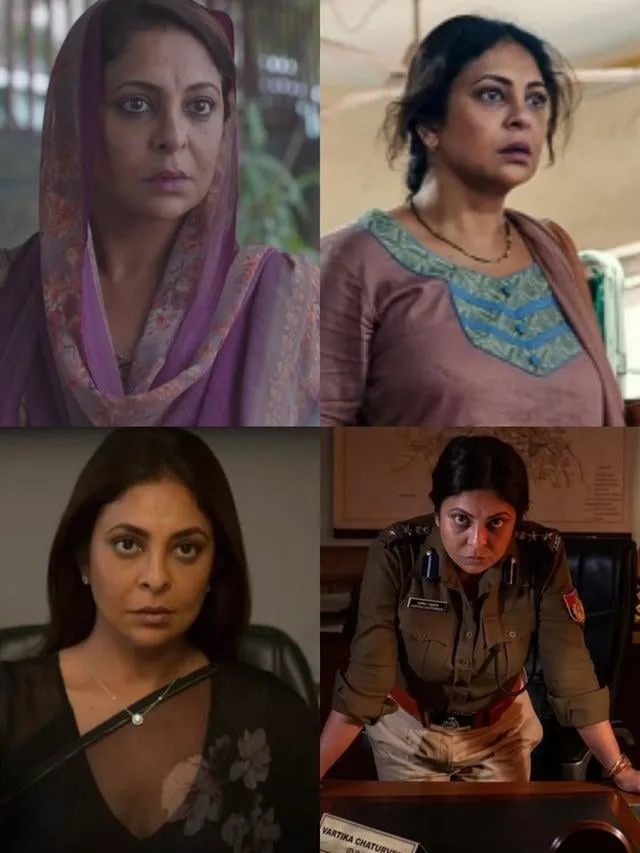
Shefali also touched upon how ageism intersects with sexism in subtler ways, including pay disparity and marketing narratives. While older male actors are often celebrated as seasoned and charismatic, older women are subjected to invasive scrutiny about their looks, fitness and relevance. This, she argued, reinforces a culture where women are constantly pressured to “fight age” rather than be valued for experience and skill.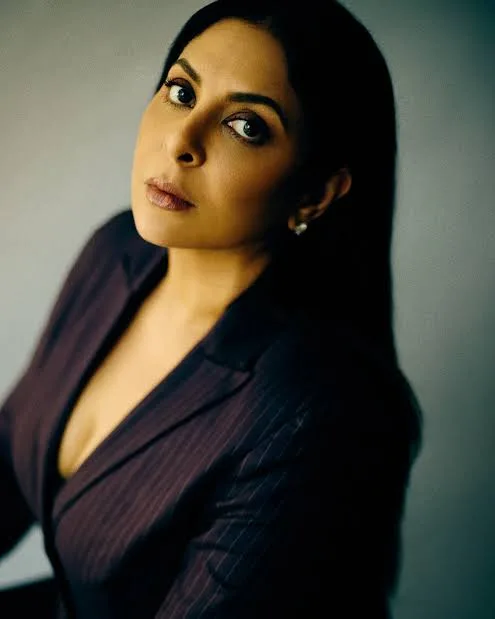
The conversation around age and gender bias has gained momentum in recent years, especially with the rise of streaming platforms that have expanded the kinds of stories being told. Shefali acknowledged that OTT spaces have opened doors for actors like her, allowing narratives that reflect real lives and real relationships. However, she was careful to note that this progress remains uneven, and mainstream cinema still clings to outdated norms.
Her remarks come at a time when several actresses have begun speaking openly about the systemic challenges they face. Yet, change, Shefali implied, cannot rest on individual voices alone. It requires producers, writers and directors to consciously reimagine their approach to female characters and to trust that audiences are ready for more honest portrayals.
By calling out the industry’s comfort with ageing heroes and discomfort with ageing heroines, Shefali Shah has once again sparked a necessary conversation. Her words serve as a reminder that cinema, as a reflection of society, has the power either to reinforce prejudice or to challenge it. Whether Bollywood chooses to listen and evolve remains to be seen, but voices like hers continue to push the industry toward a more inclusive and equitable future.