
 Snehashish roy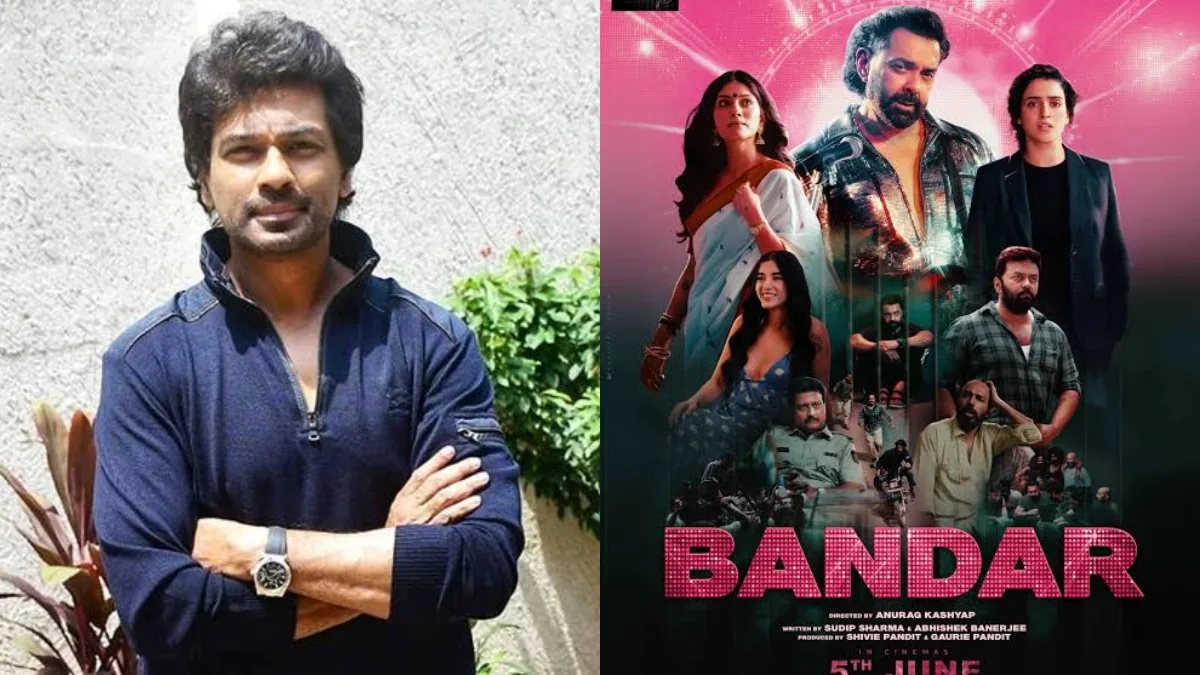
Producer Nikhil Dwivedi has responded to growing debate surrounding Bandar, the upcoming Anurag Kashyap directorial starring Bobby Deol, after sections of social media accused the film of being anti-women due to its storyline involving sexual assault allegations. Dwivedi has strongly rejected those claims, insisting that the film is not designed to target women or undermine real survivors of abuse. Instead, he says the movie focuses on justice and the complexities of the legal system.
The controversy began shortly after the teaser and trailer of Bandar were released online. The film follows Sameer Mehra, a fading rockstar played by Bobby Deol, whose life spirals into chaos after he is accused of sexual assault by a former partner. The trailer presents a morally ambiguous narrative where the audience is left questioning who is telling the truth and whether the justice system is capable of handling such cases fairly.
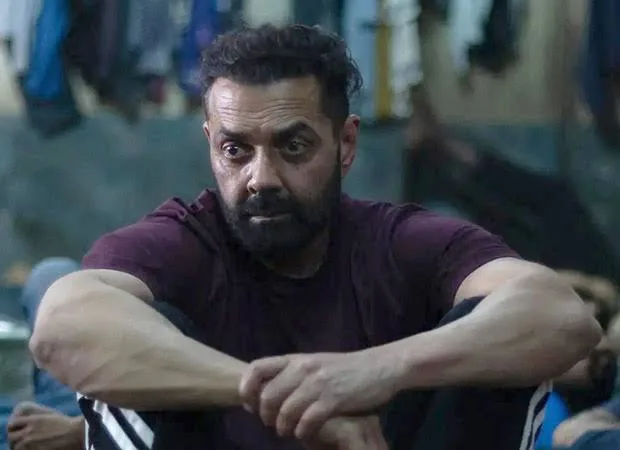
Following the teaser launch, several users on social media interpreted the storyline as an attempt to push a “false accusation” narrative. Some online discussions labelled the film anti-MeToo and accused the makers of creating a project that could potentially discredit women who come forward with allegations of sexual misconduct.
Addressing the criticism, Nikhil Dwivedi clarified that Bandar is not a film against women. According to him, the movie explores questions surrounding justice and due process rather than taking sides in gender-based debates. He argued that reducing the story to a simplistic “men versus women” framework ignores the larger themes the film is attempting to examine.
Dwivedi reportedly stressed that conversations around sexual assault allegations are often emotionally charged and complex, which naturally leads to strong reactions whenever such topics are portrayed in cinema. However, he maintained that the film should be judged after audiences watch the complete story rather than based solely on promotional material.
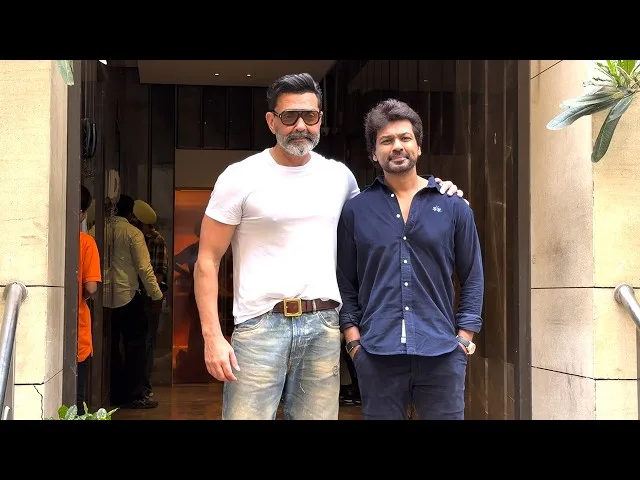
The producer’s comments closely echo earlier remarks made by director Anurag Kashyap. After the teaser release, Kashyap had also denied suggestions that the film was connected to the MeToo movement. He explained that while Bandar involves allegations of sexual assault, it is not intended as commentary against MeToo or women speaking up about abuse.
Kashyap had pointed out that MeToo largely concerns situations where individuals misuse power and influence to exploit others, whereas Bandar focuses on a different set of circumstances and legal questions.
The film has generated attention partly because of its provocative premise and the current social climate surrounding conversations on gender, consent and accountability. Promotional material suggests that the story deliberately avoids presenting clear heroes and villains, leaving audiences to grapple with uncertainty and conflicting perspectives.
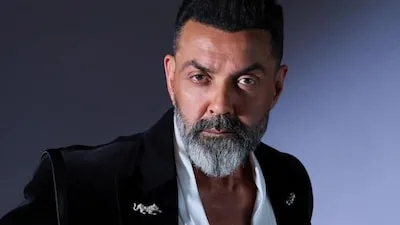
According to official descriptions, Bandar revolves around a celebrity figure whose public image collapses after serious accusations emerge. As the legal battle unfolds, the story reportedly examines media scrutiny, fame, public perception and the pressures of the criminal justice system.
The film is said to be inspired by real events and premiered earlier at the Toronto International Film Festival, where it attracted attention for its controversial subject matter and morally grey storytelling.
Apart from Bobby Deol, the film features an ensemble cast including Sanya Malhotra, Saba Azad, Sapna Pabbi, Raj B Shetty, Indrajith Sukumaran, Jitendra Joshi, Riddhi Sen and Ankush Gedam. The project marks Bobby Deol’s first collaboration with Anurag Kashyap and is being produced by Nikhil Dwivedi’s Saffron Magicworks along with Zee Studios.
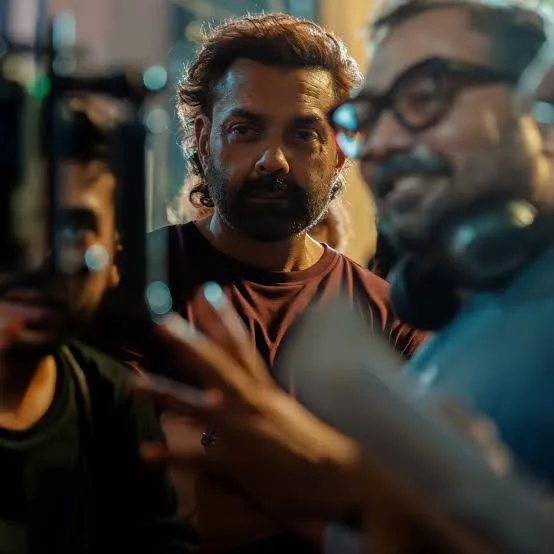
For Bobby Deol, Bandar represents another significant step in his career reinvention. After earning widespread praise for darker and more complex characters in projects such as Animal, the actor has increasingly moved away from his romantic-hero image and embraced morally complicated roles.
The trailer suggests that Sameer Mehra is neither portrayed as an outright victim nor an obvious villain. Instead, the character appears trapped within a web of accusations, media narratives and legal uncertainty.
This ambiguity is precisely what seems to be driving both interest and criticism surrounding the film. While some viewers have praised the makers for tackling a difficult subject, others remain concerned about how issues related to sexual assault will ultimately be represented on screen.
Dwivedi’s defence of the film comes at a time when filmmakers increasingly face scrutiny over how gender-sensitive topics are handled in mainstream entertainment. Stories involving allegations of assault, consent and abuse often trigger intense public debate even before a film’s release.
The producer, however, appears confident that audiences will understand the film’s intentions once they see the complete narrative. According to him, Bandar is fundamentally a story about justice rather than an attack on women or survivors.
Whether the final film validates or challenges those concerns remains to be seen. For now, Nikhil Dwivedi has made it clear that he believes the criticism is based on assumptions rather than the full story.
With Bandar scheduled for theatrical release on June 5, audiences will soon be able to judge for themselves whether the film’s exploration of sexual assault allegations and justice matches the intentions described by its makers.