
 Snehashish roy
Madhavan noted that Dhurandhar was met with criticism even before it reached audiences. “You are free to express your opinion, but even before the film was released, obituaries had been written, and on its release, you posted a review calling it a disaster, one wonders if there is an agenda,” he said, pointing to a trend where films are dismissed prematurely, often based on hearsay or bias rather than measured evaluation.
His remarks echo similar sentiments voiced by other members of the Dhurandhar cast. Actress Yami Gautam, who is married to director Aditya Dhar, previously called attention to distortions in film promotion and criticism, highlighting what she described as a “paid hype” culture that can distort public perception before a film even opens.

The reactions to Dhurandhar have been sharply divided. While some critics have highlighted concerns over the film’s portrayal of violence, its political themes, and pacing, many audience members and industry voices have praised its scale, performances and intricate storytelling. The film’s box office performance has been strong, crossing significant milestones early in its theatrical run, suggesting a disconnect between critics and public reception.


Madhavan also drew parallels with his own earlier films, noting that landmark works such as Rang De Basanti and 3 Idiots faced scepticism before ultimately becoming cultural touchstones. Reflecting on this, he implied that early negativity does not necessarily reflect a film’s lasting impact. “As actors, we thrive on this situation … you haven’t seen the end yet,” he said, defending the resilience of cinema and challenging critics to look beyond first impressions.
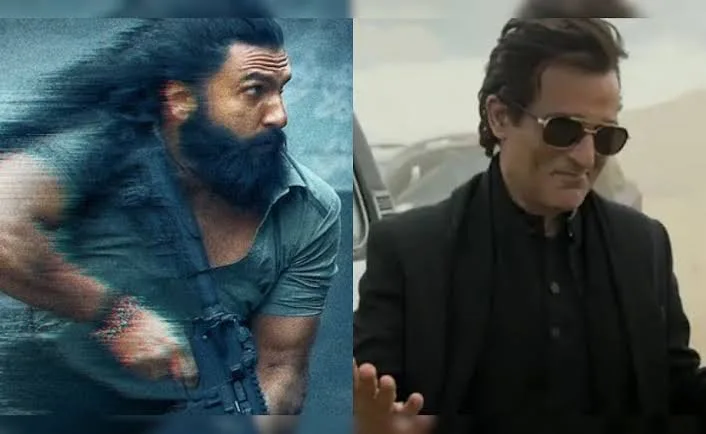
His comments underline a broader tension within the industry, between creative ambition and instantaneous digital criticism. In the age of social media and rapid online judgments, films are dissected hours after release, sometimes without contextual understanding of narrative intention or cultural nuance. This phenomenon has raised questions about the role of film criticism itself, whether it serves as constructive analysis or contributes to premature verdicts that shape audience perceptions before they’ve had a chance to form their own.
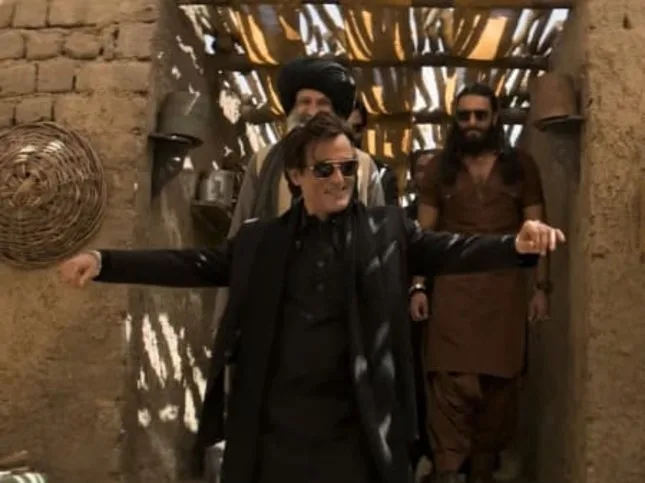
Despite the controversy, Dhurandhar continues to draw attention, demonstrating that polarisation can fuel engagement and debate. Whether one views Madhavan’s remarks as a defence of creative expression or a critique of contemporary review culture, his response highlights the evolving dynamics between art, criticism and audience reception in modern cinema. As the film’s sequel approaches its March 19, 2026 release date, the discourse surrounding Dhurandhar is far from over, underscoring how major films today live as much in public debate as on the silver screen.