
 Snehashish roy
A fresh controversy has erupted on social media after actor Rishab Shetty criticised what he described as the “mimicking” of daiva traditions in cinema, a comment that fans of Ranveer Singh believe was a veiled attack on the upcoming film Dhurandhar. The remarks have triggered sharp backlash online, with Ranveer’s supporters accusing Shetty of singling out the actor unfairly.
The controversy stems from Shetty’s recent public comments on portraying sacred daiva traditions associated with coastal Karnataka. Without naming any actor or film directly, Shetty expressed discomfort with performances that imitate or dramatise ritualistic practices, stressing that such portrayals demand cultural sensitivity. His remarks were widely interpreted as a reference to recent visuals of Ranveer Singh in Dhurandhar, which reportedly feature a character inspired by spiritual and ritualistic elements.
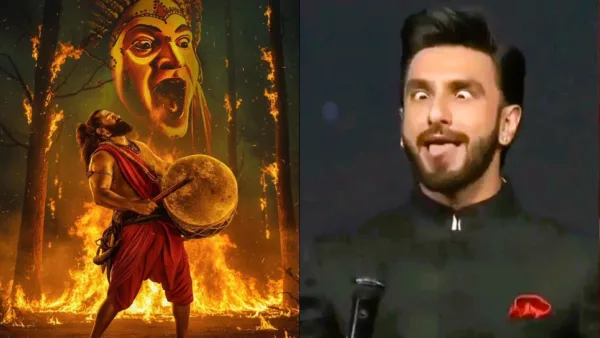
Ranveer Singh’s fans were quick to react, arguing that Shetty’s comments were selectively critical and dismissive. Several users on X and Instagram accused the Kannada filmmaker of hypocrisy, pointing out that Shetty himself has portrayed daiva rituals extensively in his own work. “If anyone brought daiva culture to the mainstream, it was Rishab Shetty himself,” one user wrote, while another questioned why similar concerns were not raised when Kantara was released.
If Daiva was angry about Ranveer Singh mimicking it why did it make #Dhurandhar a huge hit? pic.twitter.com/GRDzuDigUF
— The Armchair Activist (@thrmchrctvst) December 15, 2025
Shetty rose to national prominence with Kantara, a film that prominently showcased bhoota kola and daiva aradhane traditions. He is currently directing and starring in the prequel Kantara: Chapter One, which delves deeper into the cultural and spiritual roots of the region. Fans of Ranveer Singh argue that Shetty’s own cinematic approach contradicts his criticism of “mimicry,” especially when his films have relied heavily on stylised depictions of ritual performances.
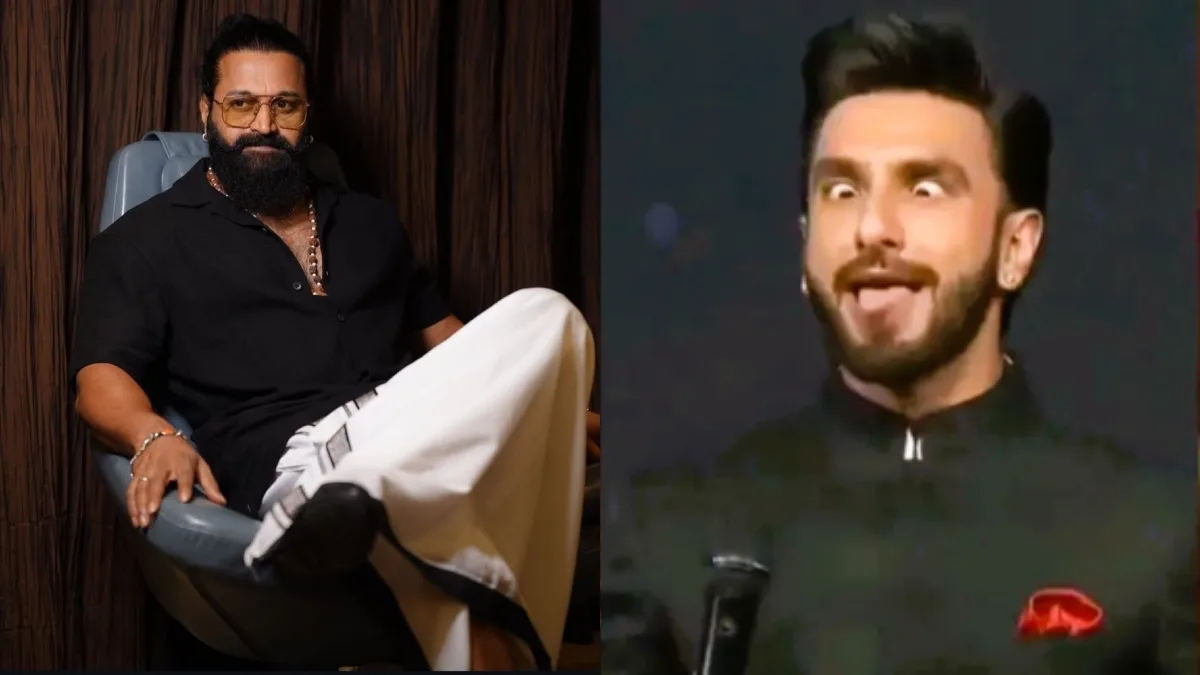
Supporters of Shetty, however, defended the actor-director, saying his comments were being taken out of context. They argued that Shetty was not criticising acting or performance itself, but cautioning against superficial or sensationalised portrayals of sacred practices without adequate cultural grounding. According to them, Shetty’s concern was about intent and authenticity, not about targeting any specific actor.
The debate has once again highlighted how discussions around cultural representation in Indian cinema can quickly spiral into fan-driven confrontations. While Dhurandhar has not yet been released, the controversy has already placed the film at the centre of a larger conversation about artistic freedom, cultural ownership and sensitivity.
Neither Ranveer Singh nor the makers of Dhurandhar have responded publicly to the criticism so far. Rishab Shetty, too, has not clarified whether his remarks were aimed at any particular film or actor. As both Dhurandhar and Kantara: Chapter One continue to generate anticipation, the episode underscores how pre-release narratives are increasingly shaped by social media interpretations rather than official statements.
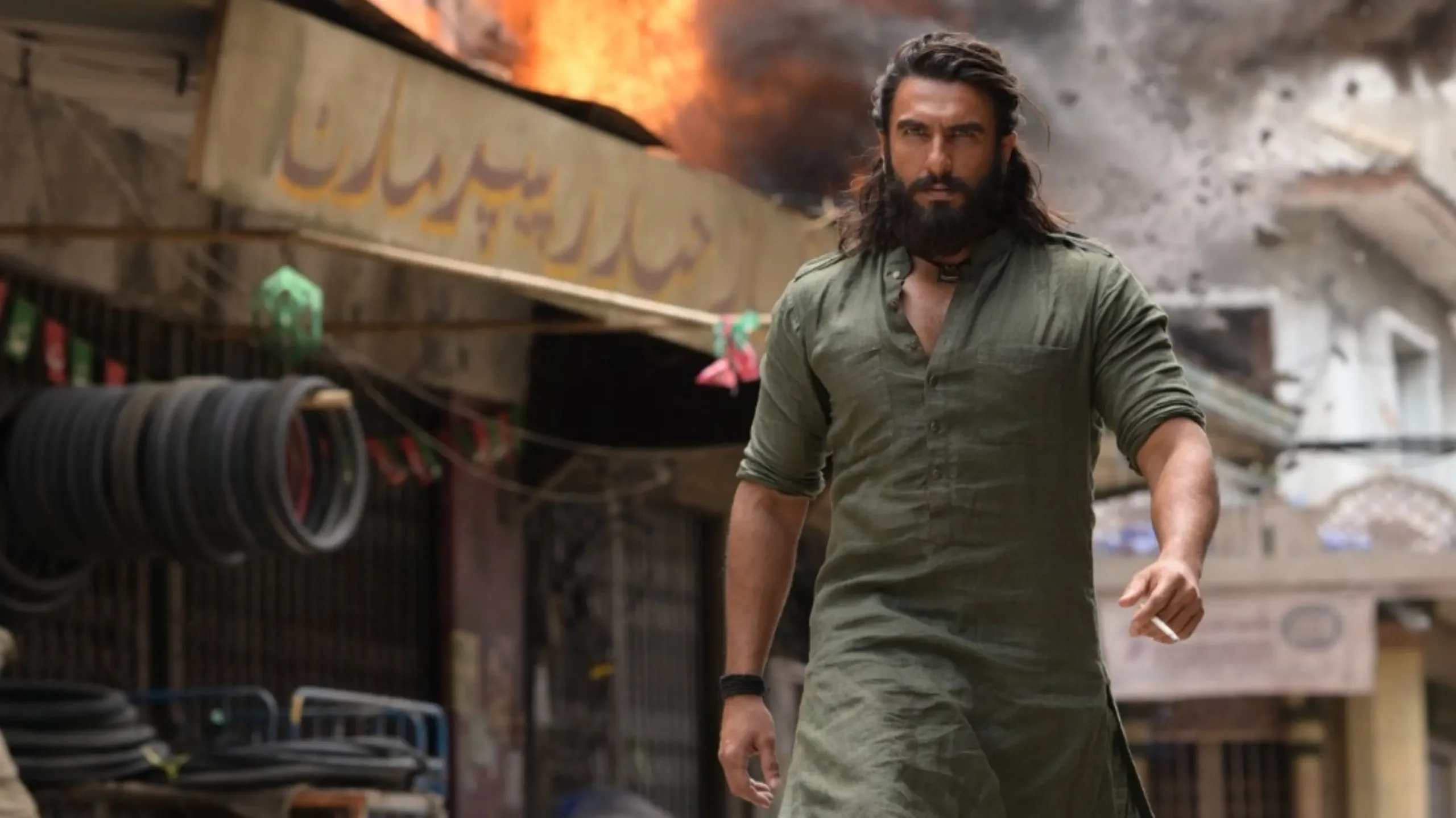
What began as a discussion on cultural portrayal has now turned into a fan war, reflecting the heightened emotional investment audiences place in both stars and traditions, and how easily that line can blur in the digital age.