
 Snehashish roy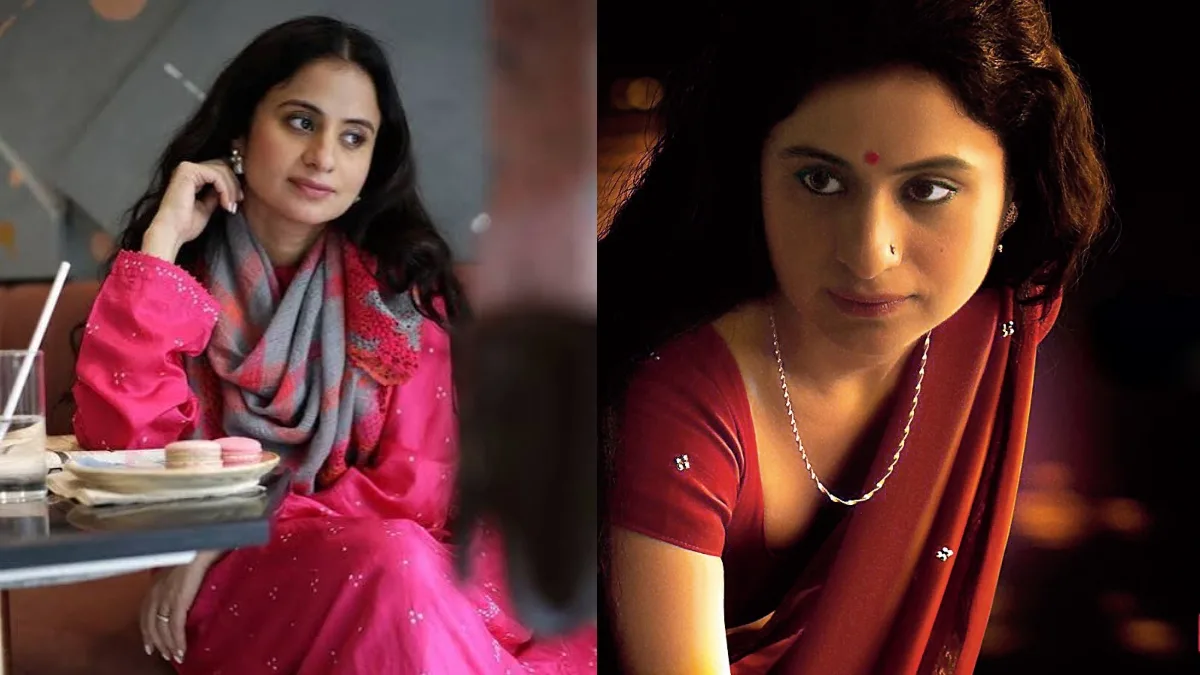
At a recent edition of the We The Women Asia event in Mumbai, actor Rasika Dugal clarified that she would refuse work that celebrates misogyny or functions as propaganda. When asked whether she would ever accept a role in a film like Animal, which has drawn criticism for glorifying toxic masculinity, Dugal responded with a clear “No.” She emphasised that for her there are certain red lines that are non-negotiable.
Dugal explained that while she remains open to portraying characters whose personal traits or actions differ sharply from her own values, she draws the line if the overarching politics of the project offend her moral compass. “I would be very happy to play a character whose politics is not in sync with mine,” she said. “I am not Beena Tripathi in real life, I don’t go around killing people or violating men.”

Her stance is rooted not in a rejection of morally complex or flawed characters, but in a refusal to endorse, through her participation, stories that seemingly celebrate or normalise harmful behaviour, particularly misogyny. “What bothers me is the respectability given to misogyny,” she added.
But while her declaration has been praised by some, it has also triggered sharp criticism and accusations of hypocrisy. Many on social media recalled that Dugal earlier portrayed Beena Tripathi in the hit web-series Mirzapur, a character whose storyline involves morally questionable, intensely provocative actions. Critics argue that if she could willingly play Beena, rejecting Animal on the grounds of misogyny comes across as contradictory.
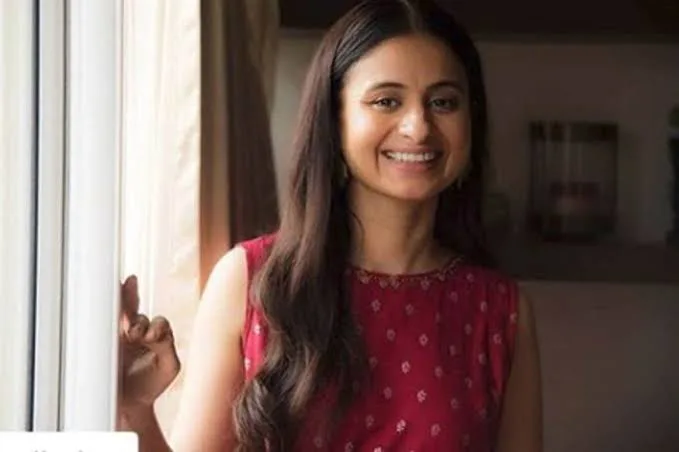
Indeed, among the most vocal was celebrated folk singer Malini Awasthi, who called out what she described as “double standards,” pointing out that Dugal’s earlier acceptance of the Mirzapur role raises questions about where she draws the moral line. “Coming from someone who played Mrs Tripathi in Mirzapur! Height of double standards!” she wrote.
Supporters of Dugal, however, argue that her distinction is between character and narrative, that playing a flawed or villainous character is one thing, and endorsing a film whose core message normalises misogyny is another. They emphasise that, according to Dugal, what matters is the broader political and moral theme of a project, not merely the personal traits of a character.
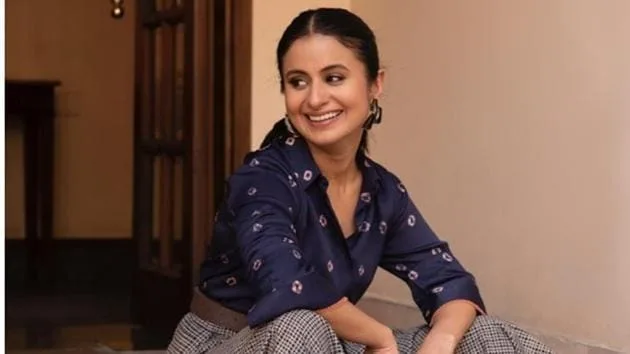
The reaction to her comments highlights the intense scrutiny actors face today, not just for personal choices, but for how their roles reflect cultural values. The debate over what constitutes misogyny, and where the line between art and social responsibility lies, remains contentious. Dugal’s remarks and the backlash reflect this larger dilemma: should art be a pure mirror to society’s dark corners, or must it also carry moral accountability, especially when its reach can shape public perceptions?

Whether one agrees with Dugal’s definition of “acceptable” roles or finds her inconsistency problematic, her statement has undeniably reignited dialogue about gender, representation, and the politics of storytelling in Indian cinema.