
 Snehashish roy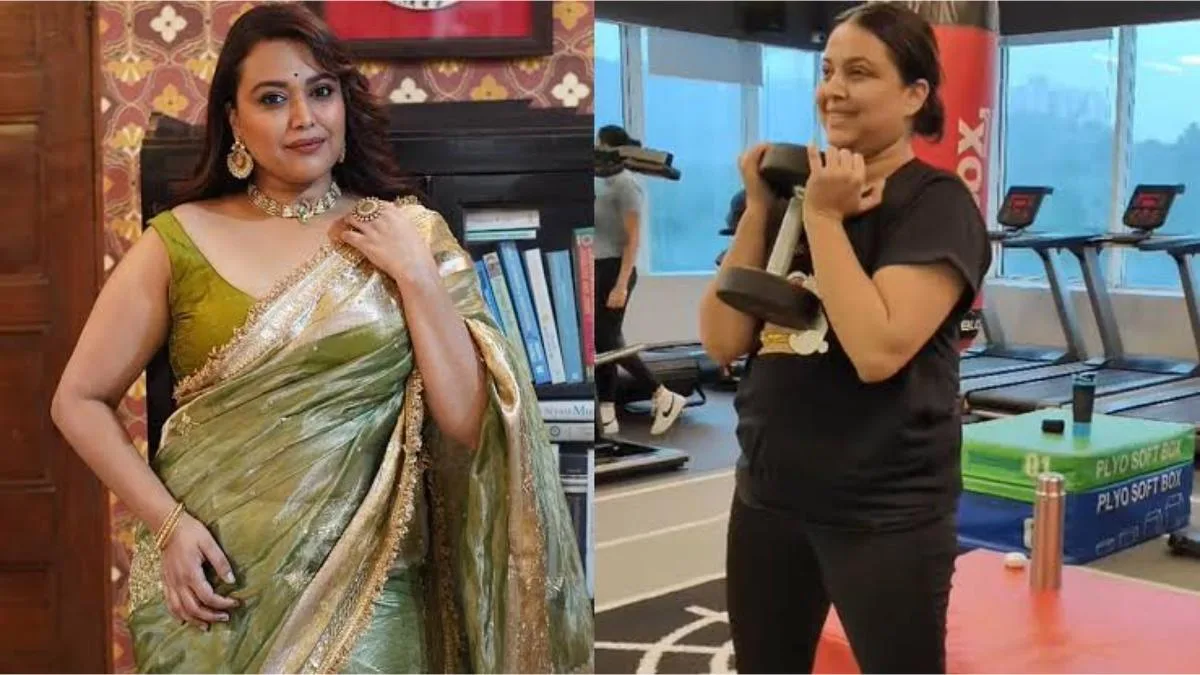
Actor Swara Bhasker has strongly criticised online trolling around postpartum weight, calling out the persistent scrutiny faced by women after childbirth and urging people to respect personal choices.
The actor, who welcomed her daughter Raabiyaa in September 2023, addressed the issue through a detailed social media post, where she shared before-and-after images from her pregnancy journey. She spoke candidly about the backlash she has received over changes in her body, describing the reactions as “bizarre” and deeply intrusive.
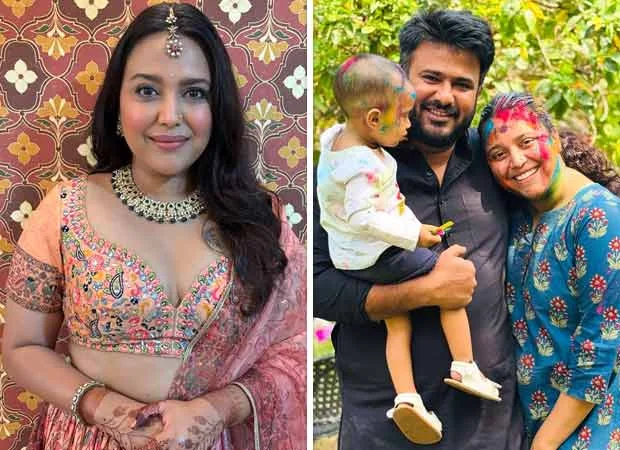
Bhasker made it clear that she has consciously chosen not to conform to societal expectations of “bouncing back” after pregnancy. She argued that the idea of returning to one’s pre-pregnancy body within a fixed timeline is unrealistic and often harmful. “After you have a baby, there’s no ‘back’—life changes fundamentally,” she wrote, emphasising that motherhood reshapes both identity and physicality.
Calling out the constant pressure placed on women, the actor said the expectation to remain “desirable” for public consumption reflects a narrow and outdated mindset. She criticised the tendency to reduce women’s bodies to objects of visual appeal, stating that they serve a far greater purpose. “Women’s bodies have more purpose than sexualisation and being hangers for glamour,” she said.

Bhasker further described the culture of judging women for their postpartum weight as both “unintelligent and nasty.” She stressed that decisions about one’s body, including whether or not to lose weight, are deeply personal and should not be subject to public commentary. “It’s nobody’s business,” she asserted, reinforcing her stance against unsolicited opinions.
The actor also addressed the emotional and psychological impact of such expectations. She noted that many women may miss aspects of their pre-pregnancy lives, including their earlier physical appearance, but forcing oneself to match those past versions can be a form of self-imposed pressure. Instead, she advocated for acceptance and compassion towards one’s evolving body.
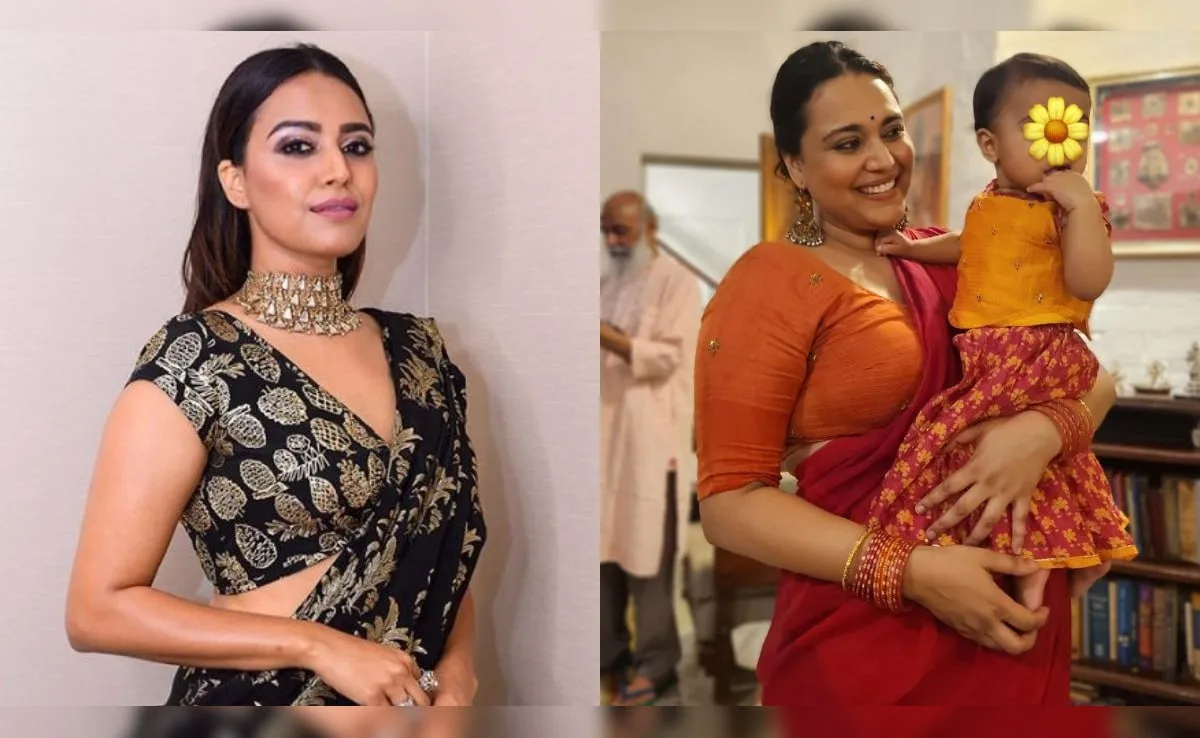
Importantly, Bhasker clarified that her views are not an argument against fitness or health. Rather, she framed her statement as a call to respect individual journeys and timelines. She emphasised that well-being should not be dictated by external standards or societal pressure, but guided by personal comfort and choice.
Her remarks have resonated with many users online, particularly mothers who have faced similar scrutiny after childbirth. The conversation has also reignited broader discussions about body image, unrealistic beauty standards and the pressures imposed on women in public life.
Over the years, Bhasker has been vocal about issues related to body positivity and has previously responded to instances of body-shaming with similar clarity. Her latest statement continues that pattern, highlighting the need for more empathetic and informed conversations around postpartum changes.
The episode underscores a larger societal issue, where women’s bodies are often subjected to public judgment, particularly during life-altering phases such as motherhood. Bhasker’s response serves as a reminder that such narratives need to shift towards acceptance rather than criticism.