
 Snehashish roy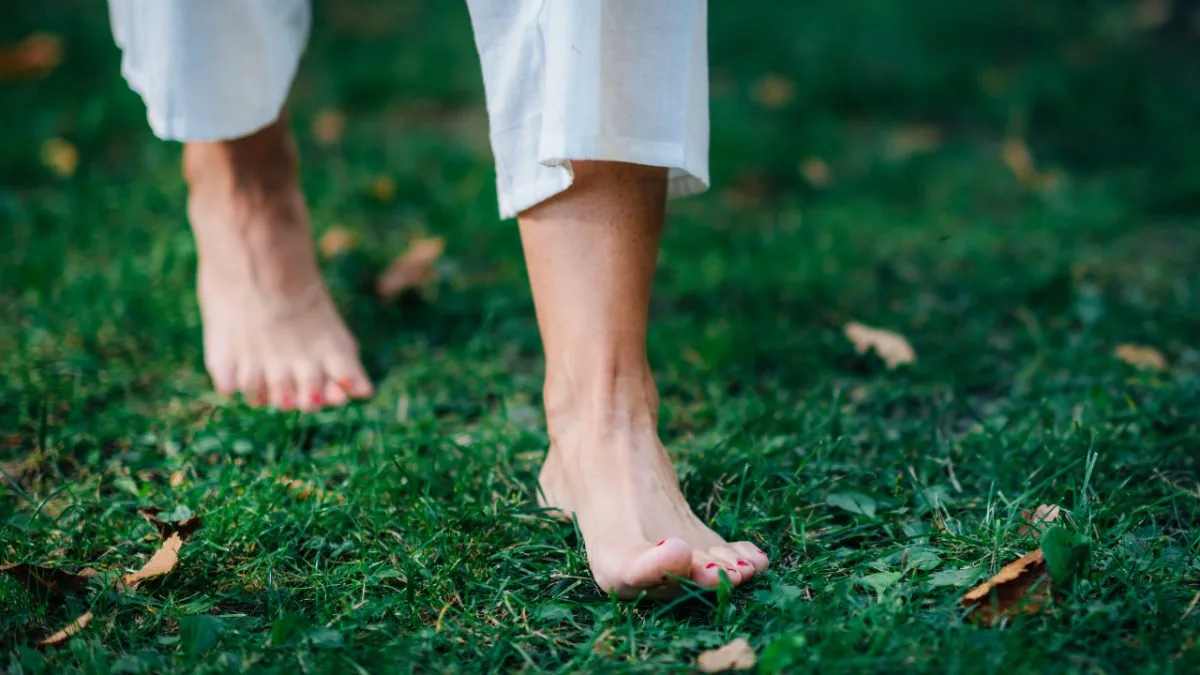
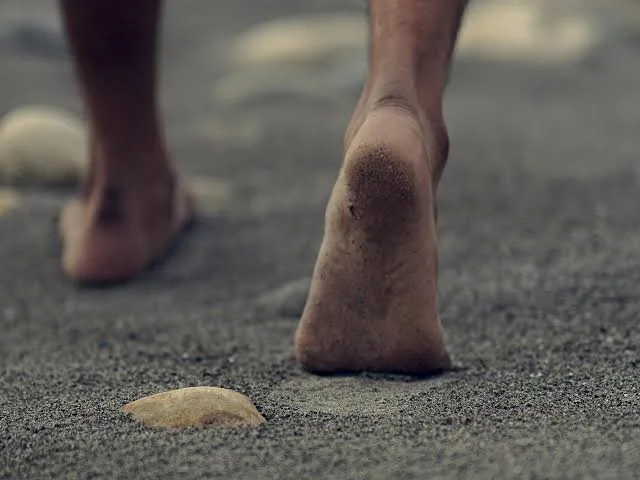
Walking barefoot for just 15 minutes a day on natural surfaces such as grass, sand or soil could offer significant health benefits, according to cardiologist Dr Alok Chopra. In a recent Instagram post, the heart specialist encouraged people to “reconnect with the Earth”, claiming that the simple daily habit can improve circulation, reduce stress and enhance overall well-being.
Dr Chopra, who has over four decades of experience in cardiology, explained that walking barefoot—often referred to as “grounding” or “earthing”—allows direct contact between the body and the Earth’s surface. According to him, this practice may help reduce inflammation, improve balance, calm the nervous system and promote better sleep. He recommended spending at least 15 minutes each day barefoot on natural ground rather than concrete or artificial flooring.
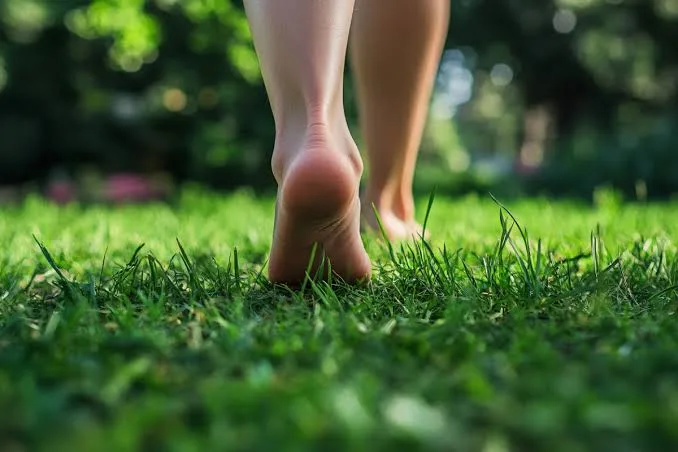
Among the key benefits highlighted by the cardiologist is improved heart health. Dr Chopra said walking barefoot stimulates the muscles and nerves in the feet, enhances blood circulation and encourages healthier movement patterns. He also suggested that the practice can strengthen foot muscles, improve posture and reduce stress on the joints by allowing the feet to function more naturally.
The cardiologist also linked grounding with mental well-being. According to him, direct contact with natural surfaces may help lower stress levels, reduce anxiety and create a sense of calm by reconnecting people with nature. He argued that many modern lifestyles involve spending long hours indoors while wearing shoes, limiting contact with natural environments that could positively influence physical and emotional health.
However, experts caution that the evidence supporting grounding remains limited. While some small studies have suggested potential benefits, the overall scientific evidence is still evolving and more large-scale clinical research is needed before definitive health claims can be made. Walking barefoot should therefore be viewed as a complementary wellness practice rather than a substitute for proven medical treatments or healthy lifestyle habits.
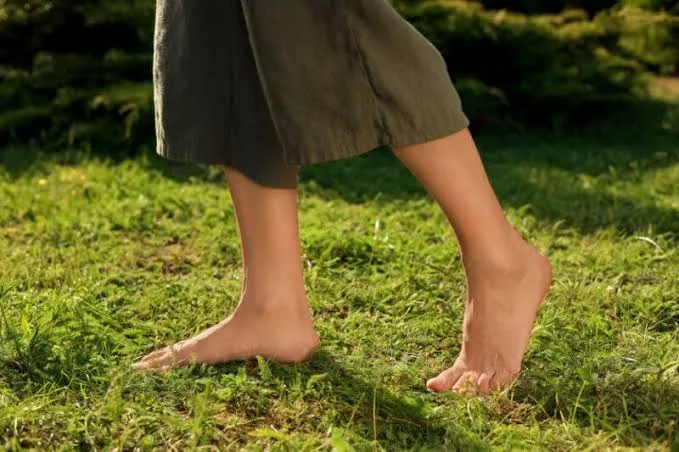
People are also advised to take precautions before adopting the habit. Walking barefoot outdoors may not be suitable in areas with broken glass, sharp stones, contaminated soil or extreme temperatures. Individuals with diabetes, poor circulation, nerve damage or foot injuries should consult a healthcare professional before regularly walking barefoot because of the increased risk of cuts and infections.
Dr Chopra has frequently advocated simple lifestyle interventions to improve long-term health. In recent weeks, he has also recommended beginning the day with high-intensity interval training (HIIT), followed by backward walking and breathing exercises such as pranayama to boost metabolism, cardiovascular fitness and cognitive health.
While barefoot walking may not be a cure-all, experts agree that spending time outdoors, engaging in regular physical activity and connecting with nature can contribute to better overall health. For those without medical contraindications, a short barefoot walk on safe natural terrain may be a simple addition to a broader healthy lifestyle.