
 Snehashish roy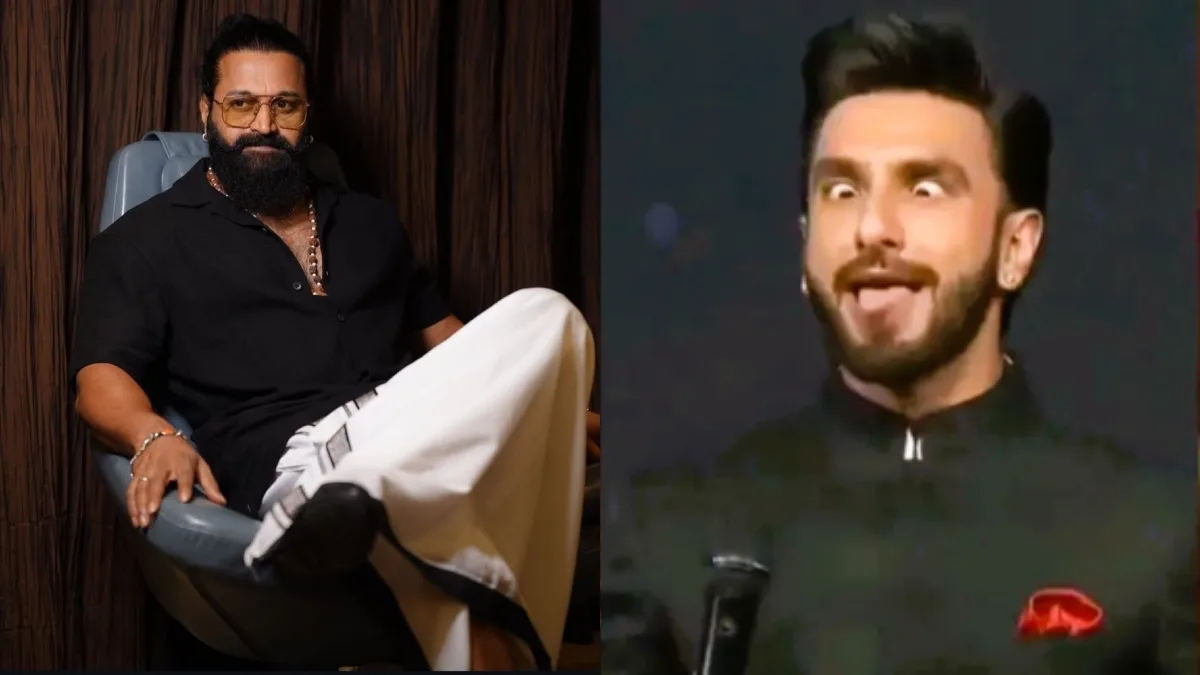
Actor and filmmaker Rishab Shetty has addressed the controversy surrounding the mimicking of daivas for the first time, expressing discomfort over the way sacred folk traditions are sometimes replicated outside their cultural and ritual context. His remarks come in the wake of criticism sparked by a recent performance involving Ranveer Singh, which drew backlash from sections of the public who viewed it as inappropriate.
In his statement, Rishab Shetty emphasised that daivas are not characters or costumes meant for casual imitation, but deeply spiritual entities rooted in faith, ritual and lived tradition. He said that while art and performance are important forms of expression, certain cultural practices demand sensitivity and restraint. According to Shetty, the discomfort arises when sacred symbols are stripped of their spiritual meaning and presented purely as entertainment.
The actor, who brought global attention to the ritualistic traditions of coastal Karnataka through his film Kantara, explained that daiva worship is an integral part of community identity and belief systems. He noted that such practices are not performative spectacles but acts of devotion that carry generations of faith, discipline and responsibility. Mimicking them without understanding their significance, he suggested, risks trivialising something that holds profound meaning for many people.
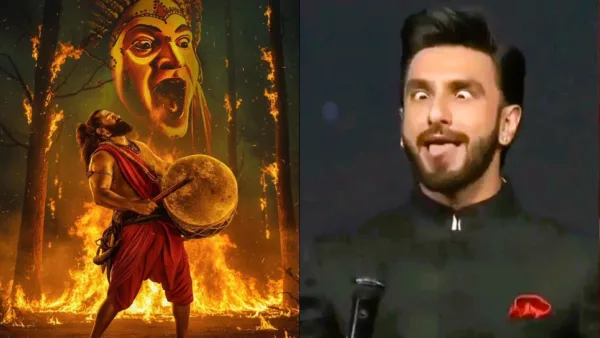
Shetty clarified that his concern was not directed at any individual personally, but at a broader pattern where sacred traditions are increasingly appropriated in popular culture without context. He stressed that cultural representation comes with accountability, particularly when artists with mass influence engage with practices that are not merely artistic but religious in nature. “That makes me uncomfortable. While much of the film is cinema and performance, the daiva element is sensitive and sacred. Wherever I go, I request people not to perform it on stage or mock it. It is emotionally deeply connected to us,” he said.
His statement reflected a call for reflection rather than confrontation.
The controversy gained momentum after Ranveer Singh was seen participating in a performance that some viewers felt resembled daiva worship. While others defended the act as admiration or creative expression, critics argued that such depictions blur the line between reverence and imitation. The debate quickly spread across social media, drawing voices from artists, cultural scholars and devotees alike.
Rishab Shetty’s response stood out for its measured tone. Instead of amplifying outrage, he urged audiences and performers to recognise the difference between inspiration and imitation. He highlighted that folk traditions like daiva aradhane are living practices, sustained by communities that treat them with deep respect and ritual discipline. When these traditions enter mainstream pop culture without that grounding, misunderstandings are inevitable.
His comments also reopened a wider discussion on how Indian cinema engages with indigenous and folk traditions. While films and performances have played a crucial role in preserving and showcasing regional cultures, they have also raised questions about representation, ownership and authenticity. Shetty’s own work has often been praised for its immersive research and rooted portrayal, making his perspective particularly influential in this conversation.
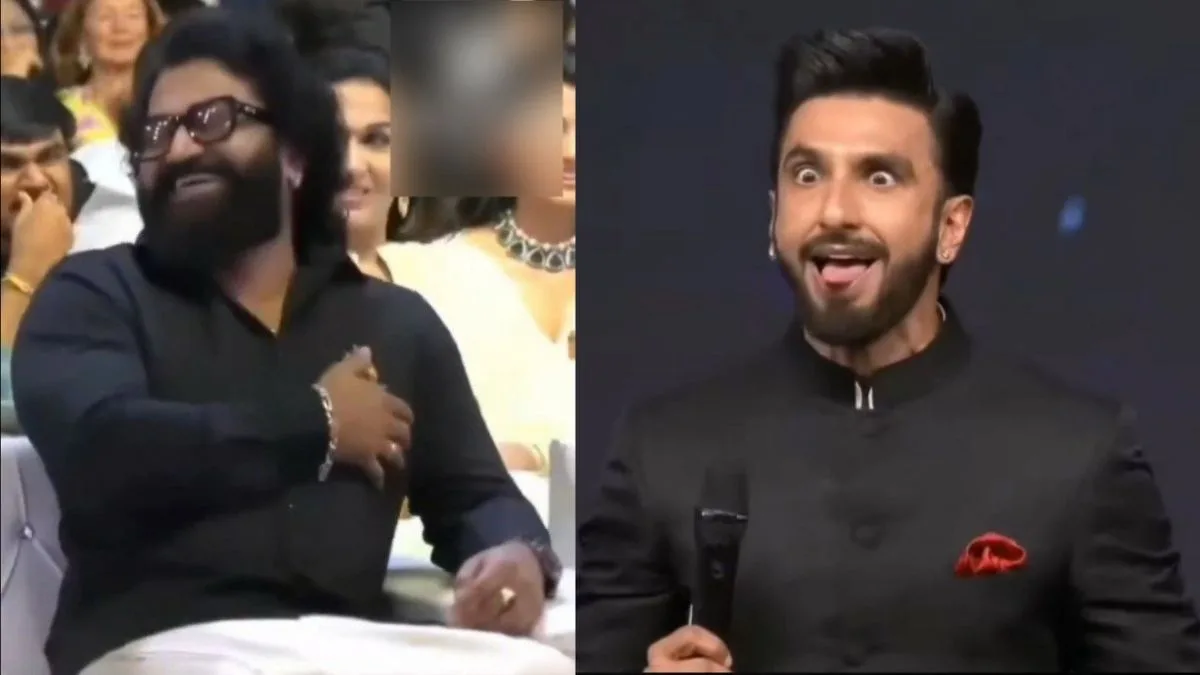
As the debate continues, Shetty’s statement has been welcomed by many as a reminder that cultural appreciation must be accompanied by sensitivity. In an age where social media amplifies every performance instantly, his words underscore the need for artists to pause and consider the impact of their actions beyond applause and virality.
Ultimately, the episode reflects a larger cultural reckoning, one where tradition, faith and modern expression intersect. Rishab Shetty’s intervention does not seek to police creativity, but to reaffirm that some traditions demand reverence before representation, and understanding before performance.