
 Snehashish roy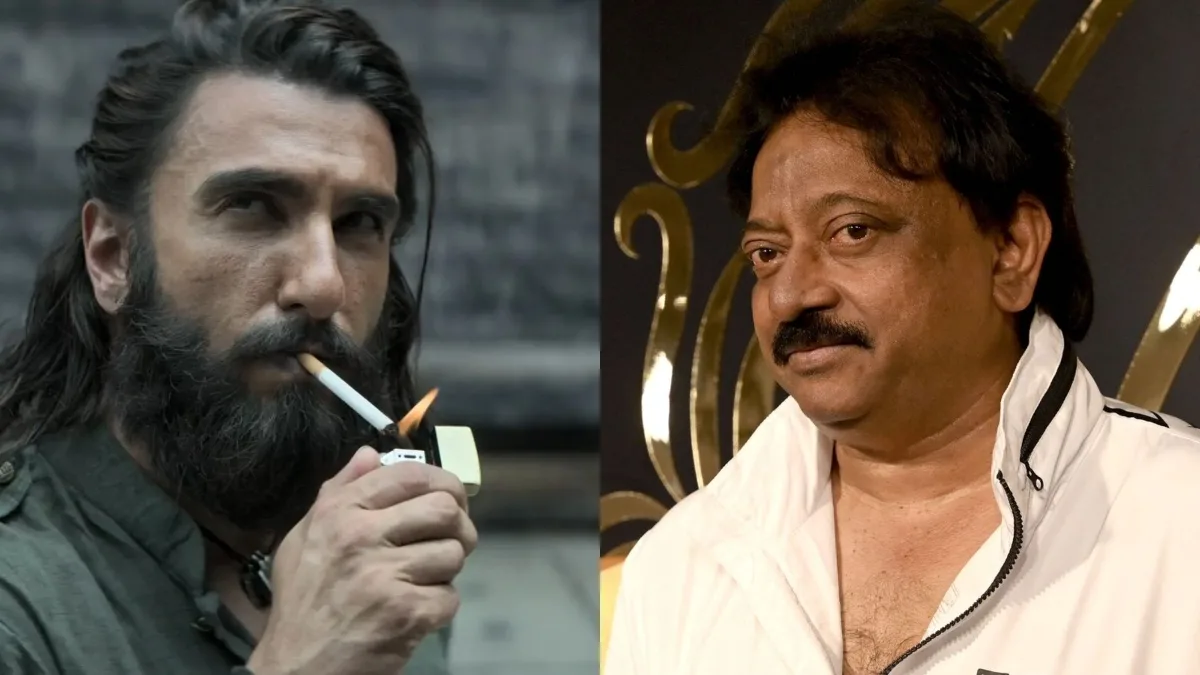
Filmmaker Ram Gopal Varma has publicly praised the massive success of Dhurandhar, and in doing so, he also issued what he described as a caution to the film industry, suggesting the film’s performance should serve as a wake-up call for mainstream Bollywood. Dhurandhar, directed by Aditya Dhar and starring Ranveer Singh in a gritty action-spy role, has become one of the biggest box office hits of the year, bringing in hundreds of crores and sparking wide discussion.

Varma took to social media to commend Dhurandhar for its technical excellence and storytelling approach, calling the film a “quantum leap for Indian cinema” and praising both Dhar’s vision and the ensemble cast’s performances. He said that the movie’s success, which has resonated strongly with audiences, amounts to a message for the film industry that viewers are ready for bold, expansive cinema and not just formulaic fare.
Dhurandhar hit theaters in early December and quickly amassed significant box office returns, becoming one of the highest-grossing Hindi films of the year. The movie crosses major milestones with strong attendance across domestic and international markets, demonstrating that well-crafted action and narrative intensity can translate into commercial triumph. Its sequel has already been announced for March 2026, underscoring the confidence of the filmmakers and producers in continuing the franchise’s success.
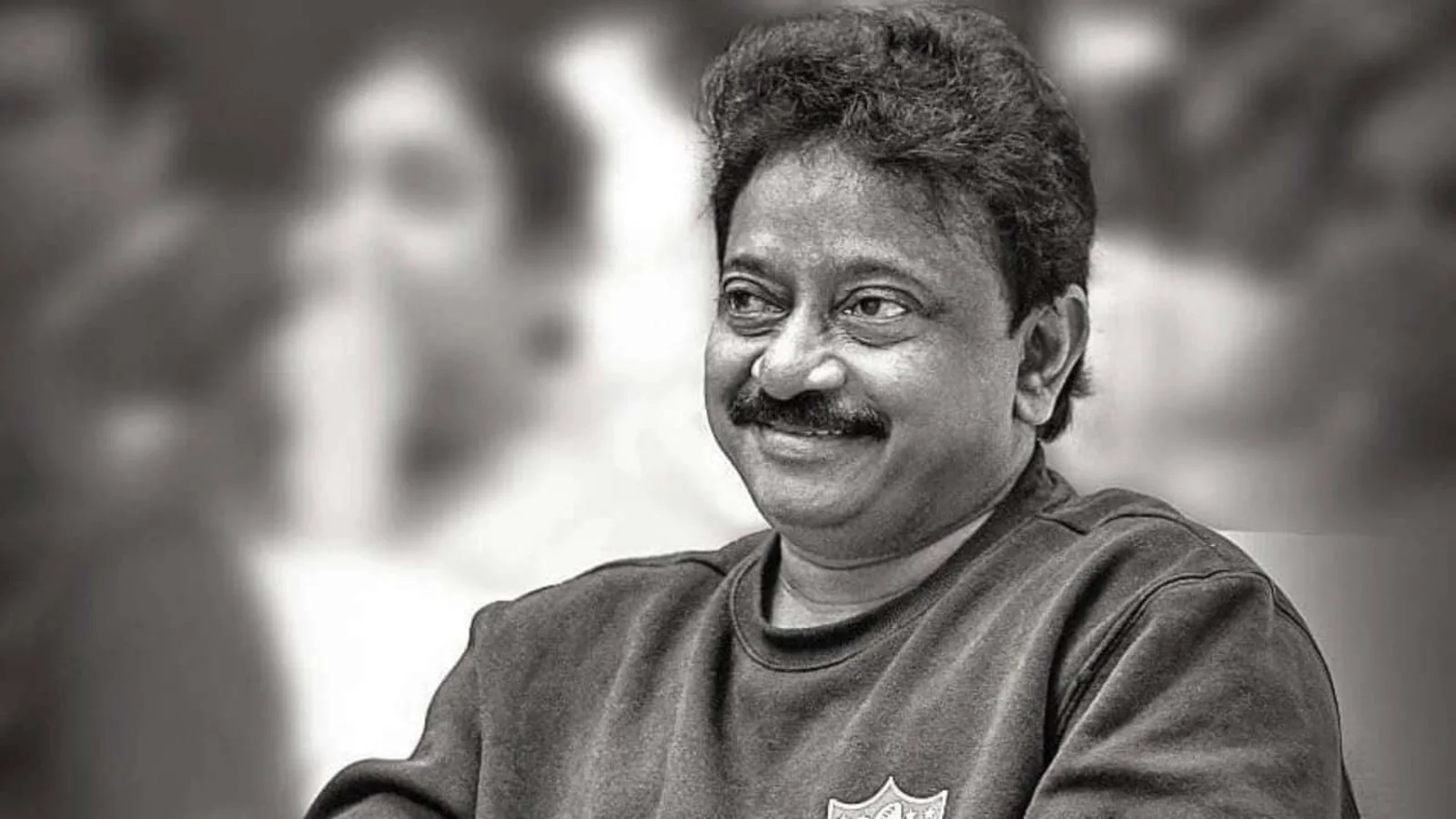
Varma’s remarks drew notice not just for their praise but also because of his phrasing. By calling the film’s success a warning, he seemed to urge Bollywood’s traditional producers and studios to rethink their content strategies. He implied that audiences are rewarding cinema that pushes boundaries, elevates technical craft, and embraces ambitious storytelling. This stands in contrast to the belief held by some that audiences predominantly prefer tried-and-tested formulas, a belief that has shaped much of mainstream Hindi cinema for years.
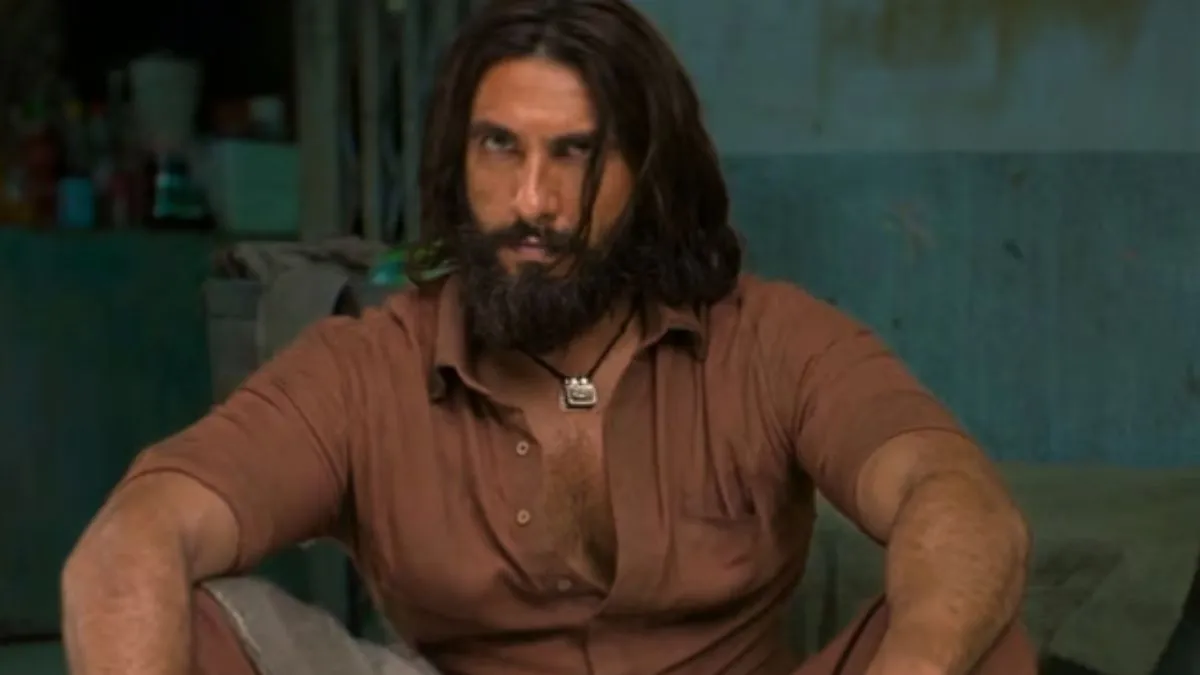
The reaction from within the industry to Dhurandhar’s performance has been notable. Actors and directors alike have publicly praised the film’s execution, storytelling depth, and box office numbers. Some industry insiders have lauded how the film balanced commercial appeal with a distinct narrative style, making it a rare instance of critical and financial success aligning. Such endorsements have been echoed by peers who view Dhurandhar as a milestone in recent Bollywood output.
Beyond box office figures, Dhurandhar has also generated conversation online, with memes, fan reactions, and debates about its themes and characters spreading across social media. Its portrayal of espionage, action sequences, and music has struck a chord with audiences, and these elements have fed into its cultural impact. This level of engagement reflects a growing trend where blockbuster films do more than just earn revenue; they become points of collective conversation.
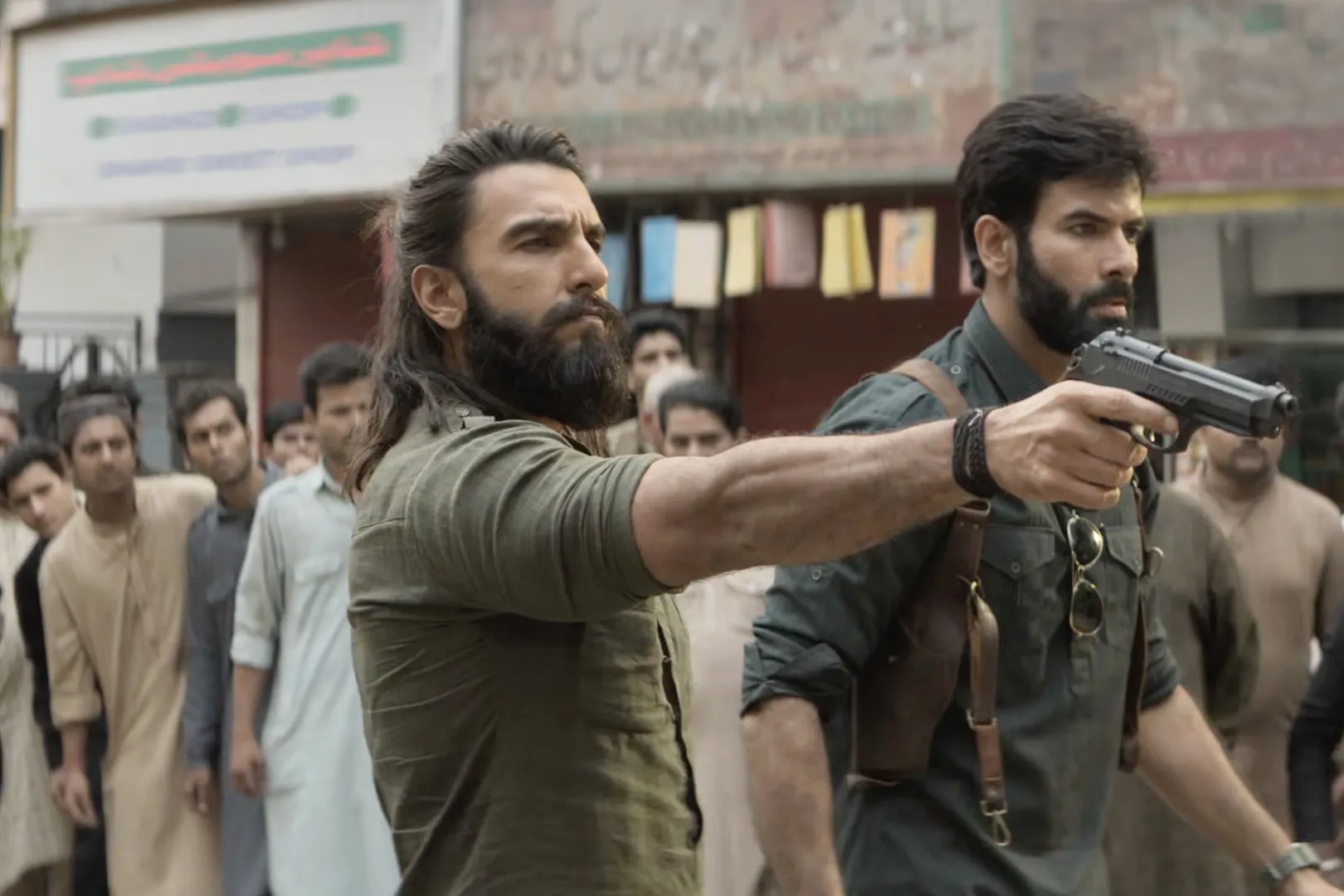
Critics and commentators have also pointed out that Dhurandhar follows a shift in audience expectations toward content that blends scale with substance. In recent years, some high-profile films have struggled to find such a balance, but Dhar’s film appears to have hit the sweet spot of entertainment and narrative weight. Varma’s commentary suggests that industry stalwarts should take note of this shift and adapt to a landscape where audience tastes are no longer confined to formulaic patterns.
As Dhurandhar continues to perform strongly, the industry will likely watch closely how its success influences future projects. Whether Varma’s comment is taken as encouragement, provocation, or both, the message is clear: audiences are rewarding films that take risks and deliver beyond expectations. This moment for Dhurandhar may well mark a broader turning point in Hindi cinema’s commercial and creative calculus.